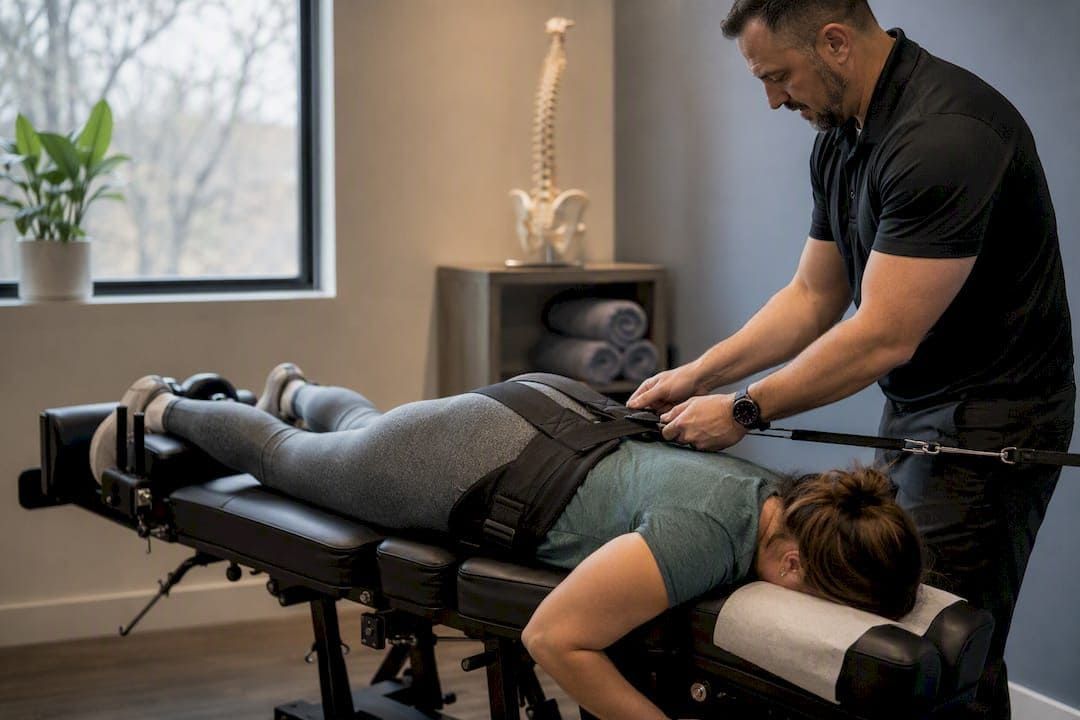
How to prepare for a chiropractic visit: 5 key steps
How to prepare for a chiropractic visit: 5 key steps
Many people walk into their first chiropractic appointment unsure of what to bring, how to communicate their pain, or what the experience will involve. This uncertainty can limit the effectiveness of your treatment and leave you feeling unprepared. Proper preparation transforms your visit from a routine appointment into a strategic step toward pain relief and wellness. Whether you're dealing with chronic back pain, sports injuries, or recovery from an accident, knowing how to prepare ensures you get maximum value from your chiropractic care in West Central Florida.

Table of Contents
- Understanding What To Bring To Your Chiropractic Visit
- Steps To Prepare Mentally And Physically Before Your Appointment
- What To Expect During And After Your Chiropractic Visit
- Common Mistakes To Avoid When Preparing For Your Chiropractic Visit
- Explore Expert Chiropractic Care In West Central Florida
- Frequently Asked Questions
Key takeaways
| Point | Details |
|---|---|
| Preparation improves communication | Clear symptom documentation helps your chiropractor understand your condition faster |
| Medical information speeds diagnosis | Bringing records and medication lists allows for tailored treatment plans |
| Comfortable clothing matters | Loose-fitting attire enables effective adjustments and examination |
| Questions enhance outcomes | Prepared inquiries ensure you understand your care and recovery process |
| Expectations reduce anxiety | Knowing the appointment flow helps you follow instructions and feel confident |
Understanding what to bring to your chiropractic visit
Your first chiropractic appointment sets the foundation for effective treatment. Arriving with the right information and materials allows your chiropractor to assess your condition thoroughly and develop a personalized care plan. Missing crucial details can delay diagnosis and reduce the precision of your treatment approach.
Start by gathering your identification and insurance cards. First-time patients need these documents to establish their file and verify coverage. If you've had previous chiropractic care, physical therapy, or relevant medical treatments, bring those records. They provide valuable context about what has or hasn't worked for your condition.
Create a comprehensive list of current medications, including prescriptions, over-the-counter drugs, and supplements. This information helps your chiropractor avoid potential interactions and understand how other treatments might affect your musculoskeletal system. Bringing detailed medical history helps chiropractors tailor care effectively.
Document your symptoms in writing before the appointment. Note when pain started, its intensity on a scale of 1 to 10, what makes it worse or better, and any patterns you've noticed. This preparation ensures you don't forget important details during the consultation. If you have imaging results like X-rays or MRI scans, bring digital or physical copies.
Essential items to bring:
- Valid photo identification
- Insurance cards and policy information
- List of current medications and supplements
- Previous medical records or imaging results
- Written symptom timeline and pain descriptions
- Comfortable, loose-fitting clothing
Pro Tip: Take photos of your medication bottles with your phone before the appointment. This gives your chiropractor accurate dosage and frequency information without relying on memory.
Wearing the right clothing makes a significant difference. Choose loose pants or shorts and a comfortable shirt that allows easy movement. Avoid tight jeans, restrictive skirts, or clothing with excessive buttons and zippers. Your chiropractor needs to observe your posture and movement patterns, and some adjustment techniques require access to your spine and joints. Reviewing a chiropractic care checklist before your visit ensures you don't miss crucial preparation steps.
Steps to prepare mentally and physically before your appointment
Physical and mental preparation enhances your body's response to chiropractic care. Small adjustments to your routine in the 24 hours before your appointment can significantly impact treatment effectiveness and your overall experience.
Getting adequate sleep the night before helps your nervous system function optimally. Your body responds better to adjustments when well-rested, and you'll communicate more clearly about your symptoms. Aim for seven to eight hours of quality sleep to arrive refreshed and ready.
Eat a light meal one to two hours before your appointment. An empty stomach might make you feel weak during treatment, while a heavy meal can cause discomfort when lying on adjustment tables. A balanced snack or moderate meal keeps your energy stable without creating digestive issues.
Avoid intense workouts or heavy lifting immediately before your visit. Strenuous exercise can inflame muscles and joints, making it harder for your chiropractor to assess your baseline condition. Light stretching or walking is fine, but save your gym session for after the appointment. Understanding signs you need a chiropractor helps you recognize when preparation is especially important.
Mental preparation steps:
- Write down three to five specific questions about your condition or treatment
- Review your symptom notes to refresh your memory
- Research your chiropractor's background and specialties
- Set realistic expectations for your first visit outcomes
- Plan to arrive 10 to 15 minutes early for paperwork
- Arrange transportation if you're unsure how you'll feel after treatment
Pro Tip: Create a simple pain journal on your phone for the week before your appointment. Track daily pain levels, activities that trigger discomfort, and anything that provides relief. This data gives your chiropractor valuable insights into patterns you might not notice consciously.
Knowing what to expect during your first visit helps reduce anxiety and builds confidence. Mental preparation reduces stress, which can cause muscle tension that interferes with examination and treatment. Approaching your appointment with calm focus allows you to participate actively in your care plan.
Consider your goals for treatment. Are you seeking pain relief, improved mobility, injury recovery, or preventative wellness? Clarifying your objectives helps your chiropractor prioritize interventions and set measurable milestones. Research shows that patients with clear treatment goals experience better outcomes and higher satisfaction.
If you're nervous about adjustments, that's completely normal. Many first-time patients worry about the popping sounds or physical manipulation. Remember that chiropractors undergo extensive training in safe, effective techniques. Choosing a chiropractor with strong credentials and positive reviews can ease these concerns.
What to expect during and after your chiropractic visit
Understanding the typical appointment structure helps you navigate the experience confidently and follow aftercare instructions effectively. Most first visits follow a consistent pattern designed to gather information, assess your condition, and begin treatment.
Your appointment starts with a comprehensive health history review. The chiropractor asks about your current symptoms, past injuries, surgeries, chronic conditions, and lifestyle factors. This conversation typically takes 15 to 20 minutes and establishes the foundation for your care plan. Be honest and thorough, even about seemingly unrelated health issues.
Next comes the physical examination. Your chiropractor assesses your posture, range of motion, reflexes, and areas of tenderness or restriction. They may perform orthopedic tests to identify specific problem areas. This examination reveals how your spine and joints are functioning and where interventions are needed. Understanding the appointment stages and potential sensations guides patients through a smoother experience.
Chiropractic adjustments form the core treatment. These controlled movements target specific joints to restore proper alignment and function. You might hear popping or cracking sounds, which are simply gas bubbles releasing from the joint space. Most patients find adjustments relieving rather than painful, though you may feel brief pressure or stretching.
Typical appointment components:
- Health history consultation (15 to 20 minutes)
- Physical examination and assessment (10 to 15 minutes)
- Chiropractic adjustments (10 to 20 minutes)
- Treatment plan discussion (5 to 10 minutes)
- Scheduling follow-up visits (5 minutes)
| Timeframe | What to Expect | Duration |
|---|---|---|
| Immediately after | Mild soreness or immediate relief | Hours to 1 day |
| 24 to 48 hours | Potential muscle soreness similar to workout | 1 to 2 days |
| First week | Gradual improvement in mobility and pain | 3 to 7 days |
| Ongoing care | Progressive healing with regular visits | Weeks to months |
After your adjustment, your chiropractor explains what they found and recommends a treatment plan. This might include the frequency of visits, complementary therapies, exercises, or lifestyle modifications. Ask questions about anything unclear. Understanding your care plan improves compliance and results.
Post-visit experiences vary. Some people feel immediate relief, while others experience mild soreness for 24 to 48 hours as their body adjusts. This temporary discomfort is normal and similar to post-workout muscle soreness. Drinking plenty of water, applying ice to sore areas, and avoiding strenuous activity for the rest of the day supports your body's healing response.
Follow your chiropractor's specific aftercare instructions. They might recommend certain stretches, posture corrections, or activity modifications. Adhering to these guidelines maximizes treatment benefits and prevents setbacks. Chiropractic care alleviates pain most effectively when patients actively participate in their recovery.
Schedule follow-up appointments as recommended. Chiropractic care often requires multiple sessions to achieve lasting results, especially for chronic conditions. Consistency matters more than intensity. Regular visits allow your chiropractor to monitor progress, adjust techniques, and address new issues before they become problematic.

Common mistakes to avoid when preparing for your chiropractic visit
Even well-intentioned patients make preparation errors that reduce appointment effectiveness. Recognizing these common pitfalls helps you avoid unnecessary complications and get better results from your chiropractic care.
Incomplete medical information creates gaps in your care plan. Forgetting to mention previous injuries, surgeries, or chronic conditions can lead to inappropriate treatments or missed diagnoses. Your chiropractor needs the full picture to provide safe, effective care. Don't assume any health detail is too minor to mention.
Wearing restrictive clothing limits what your chiropractor can accomplish. Tight jeans, dresses, or complicated outfits make examination and adjustment difficult. Some patients feel embarrassed changing into a gown, so they arrive in inappropriate attire. Plan ahead by wearing comfortable clothes that allow easy movement and access to treatment areas.
Arriving late disrupts the appointment flow and shortens your consultation time. Traffic, parking challenges, or underestimating travel time can cause delays. This rush prevents thorough assessment and leaves important questions unasked. Build extra time into your schedule to arrive calm and prepared. Avoiding common preparation mistakes increases appointment effectiveness and patient satisfaction.
Common preparation mistakes:
- Failing to bring insurance cards or identification
- Not documenting symptoms or pain patterns beforehand
- Wearing restrictive or inappropriate clothing
- Arriving late or rushing to the appointment
- Forgetting to mention current medications or supplements
- Having unrealistic expectations about immediate results
- Not preparing questions for the chiropractor
- Ignoring pre-appointment instructions about food or activity
Unrealistic expectations set you up for disappointment. Some patients expect complete pain resolution after one visit, while others doubt chiropractic care can help at all. Both extremes interfere with effective treatment. Approach your visit with open-minded optimism, understanding that healing takes time and consistent effort.
| Mistake | Consequence | Solution |
|---|---|---|
| Incomplete medical history | Delayed diagnosis, safety risks | Prepare detailed written health summary |
| Restrictive clothing | Limited examination, ineffective adjustments | Wear loose, comfortable athletic wear |
| Arriving late | Rushed consultation, missed assessment details | Plan to arrive 15 minutes early |
| No prepared questions | Unclear care plan, reduced engagement | Write questions before appointment |
| Ignoring aftercare | Stalled progress, potential setbacks | Follow all post-visit instructions carefully |
Ignoring aftercare instructions undermines your treatment progress. Your chiropractor might recommend ice, specific stretches, activity restrictions, or hydration guidelines. Skipping these steps because you feel better or think they're unnecessary can reverse your gains. Aftercare is as important as the adjustment itself.
Not communicating openly creates barriers to effective care. If something hurts during an adjustment, speak up immediately. If you don't understand part of your treatment plan, ask for clarification. Your chiropractor can only help you effectively when you share honest feedback about your experience and concerns. Understanding the health benefits of chiropractic pain management motivates better preparation and follow-through.
Explore expert chiropractic care in West Central Florida
Preparing effectively for your chiropractic visit is just the first step toward lasting pain relief and improved wellness. Professional guidance makes all the difference in achieving your health goals. West Central Florida residents dealing with chronic pain, sports injuries, or accident recovery can benefit from personalized treatment plans tailored to their specific needs.
Essential ChiroCare offers comprehensive services designed to address the root causes of pain and restore optimal function. Our experienced team combines traditional chiropractic adjustments with modern rehabilitation techniques to deliver results. Whether you need relief from back pain, joint issues, whiplash, or sciatica, expert chiropractic care provides holistic solutions that go beyond symptom management.
Discover how chiropractic care for pain relief can transform your quality of life. Our multiple locations across Tampa, Brandon, Sarasota, Lakeland, and Pinellas Park make professional care accessible and convenient. Explore our comprehensive chiropractic services to find the right treatment approach for your condition.
Frequently asked questions
What should I wear to my chiropractic visit?
Wear comfortable, loose-fitting clothes that allow easy movement and access for adjustments. Athletic wear like yoga pants, shorts, and t-shirts works perfectly. Avoid tight jeans, restrictive skirts, or clothing with excessive buttons and zippers that complicate examination and treatment.
How early should I arrive for my first chiropractic appointment?
Arrive 10 to 15 minutes early to complete paperwork and discuss any initial questions with staff. This buffer time prevents rushing and ensures your chiropractor has complete information before the consultation begins. First visits often require more administrative setup than follow-up appointments.
What information about my medical history should I provide?
Share details of past injuries, surgeries, current medications, and any chronic conditions. Include information about previous chiropractic care, physical therapy, or treatments you've tried. Providing accurate info helps the chiropractor customize your treatment safely and avoid potential complications. Review key questions about medical history to ensure you cover all important details.
Can I ask questions during my chiropractic visit?
Yes, asking questions is encouraged to understand your care and progress better. Chiropractors appreciate engaged patients who want to learn about their condition and treatment options. Prepare your questions to ask during your visit beforehand to make the most of your consultation time and ensure nothing important gets overlooked.
Recommended