Top benefits of manual therapy for pain relief & recovery
When you're dealing with chronic back pain, a nagging sports injury, or the kind of stiffness that slows your whole day down, the number of treatment options out there can feel overwhelming. Massage, stretching, injections, surgery — where do you even start? Manual therapy cuts through that noise. It's a hands-on, evidence-based approach that addresses the root cause of your pain rather than masking it. This article breaks down exactly what manual therapy is, what the research says about its benefits, how it helps athletes recover faster, and what you can realistically expect from treatment.

Table of Contents
- What is manual therapy? Understanding the basics
- The core benefits of manual therapy for pain relief
- Manual therapy in sports injury recovery: Speed and effectiveness
- Short-term vs. long-term outcomes: What to realistically expect
- Risks and safety: What the evidence shows
- A fresh perspective: What most people get wrong about manual therapy
- Pain relief and recovery: Get started with expert care
- Frequently asked questions
Key Takeaways
| Point | Details |
|---|---|
| Proven pain relief | Manual therapy effectively reduces pain in many common conditions, including injuries and chronic pain. |
| Best for short term | Most benefits from manual therapy are strongest in the short term, especially with combined exercise. |
| Safe for most people | Manual therapy is generally safe, with serious side effects very rare when performed by qualified professionals. |
| Key for athletes | Athletes and active individuals see significant recovery improvements from manual therapy as part of rehabilitation. |
What is manual therapy? Understanding the basics
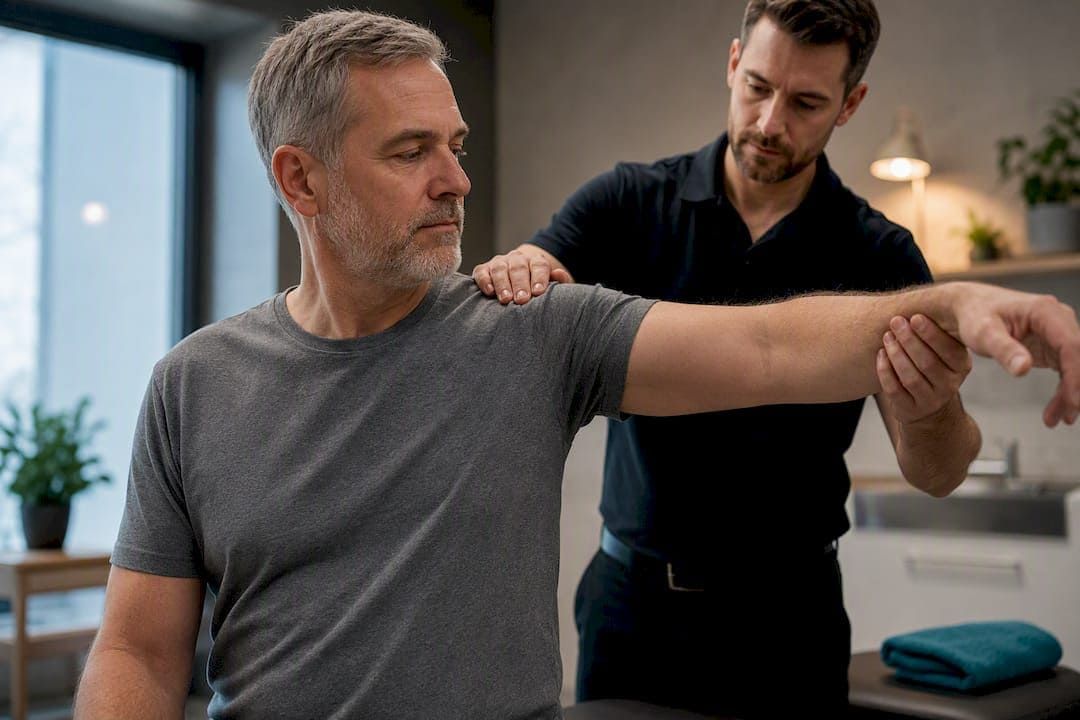
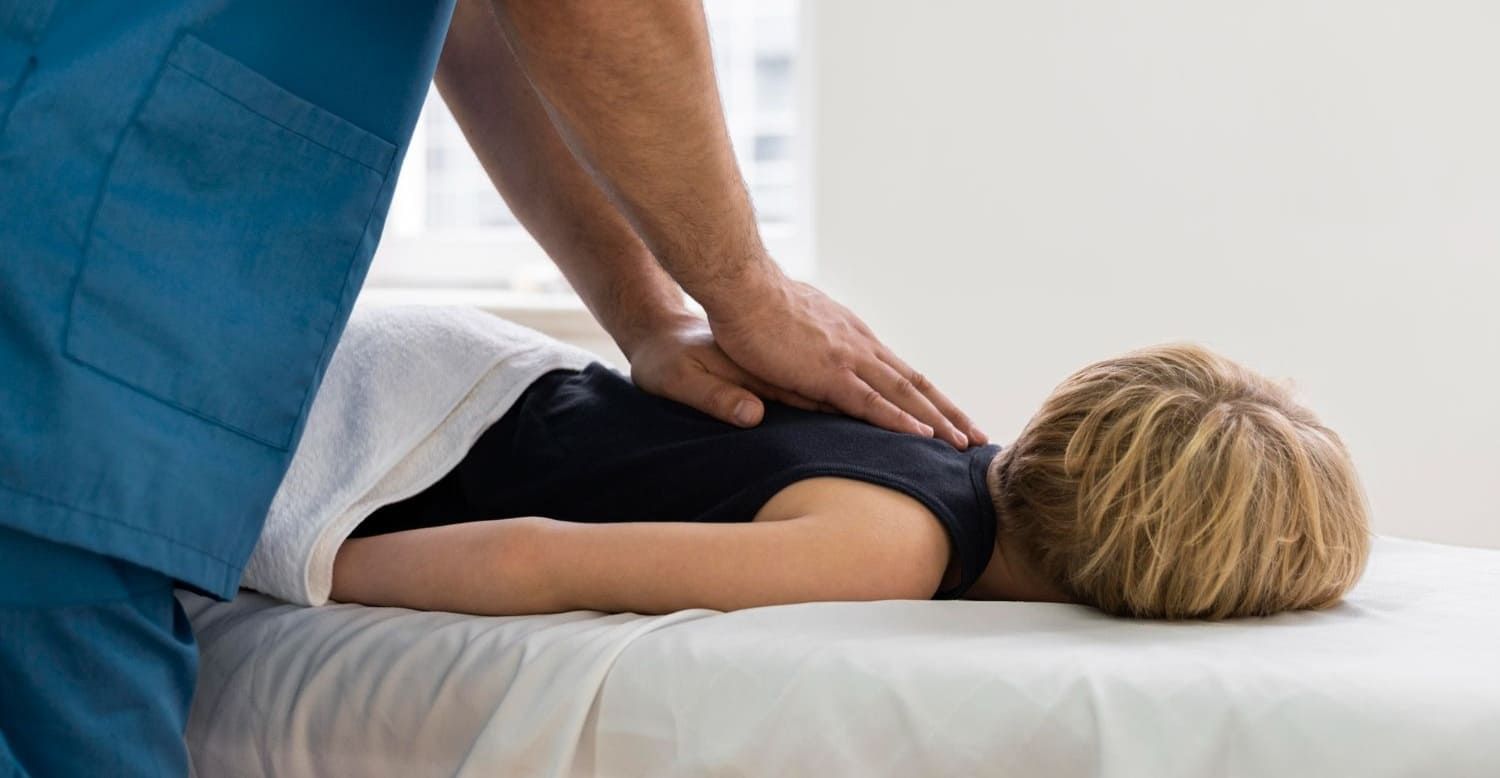
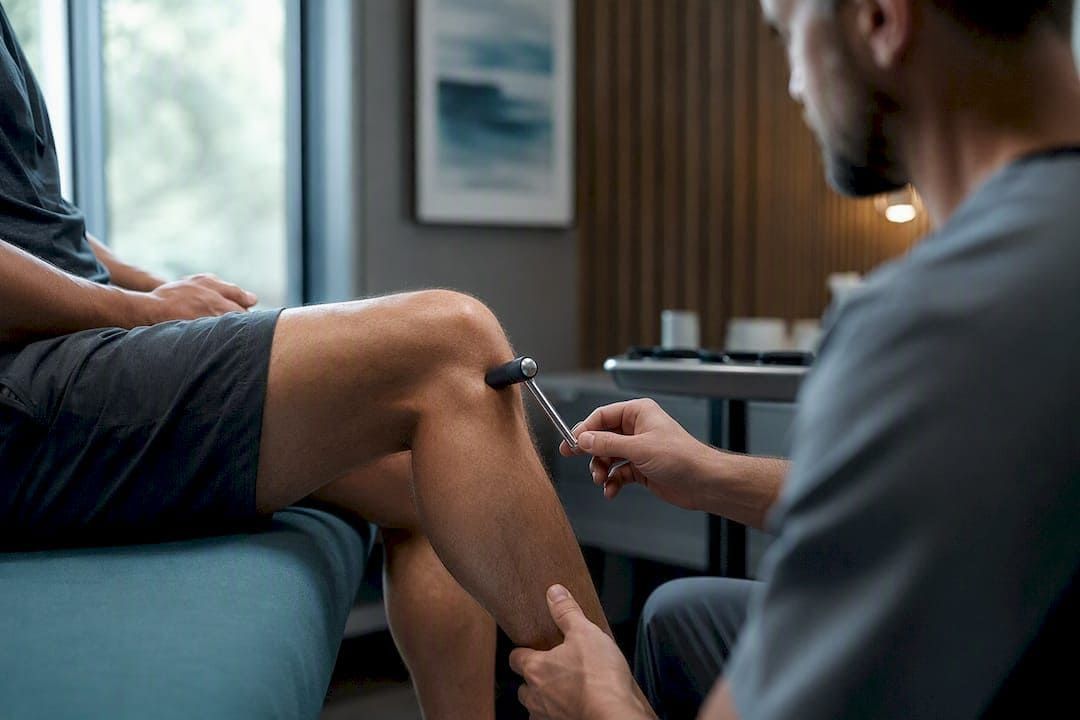
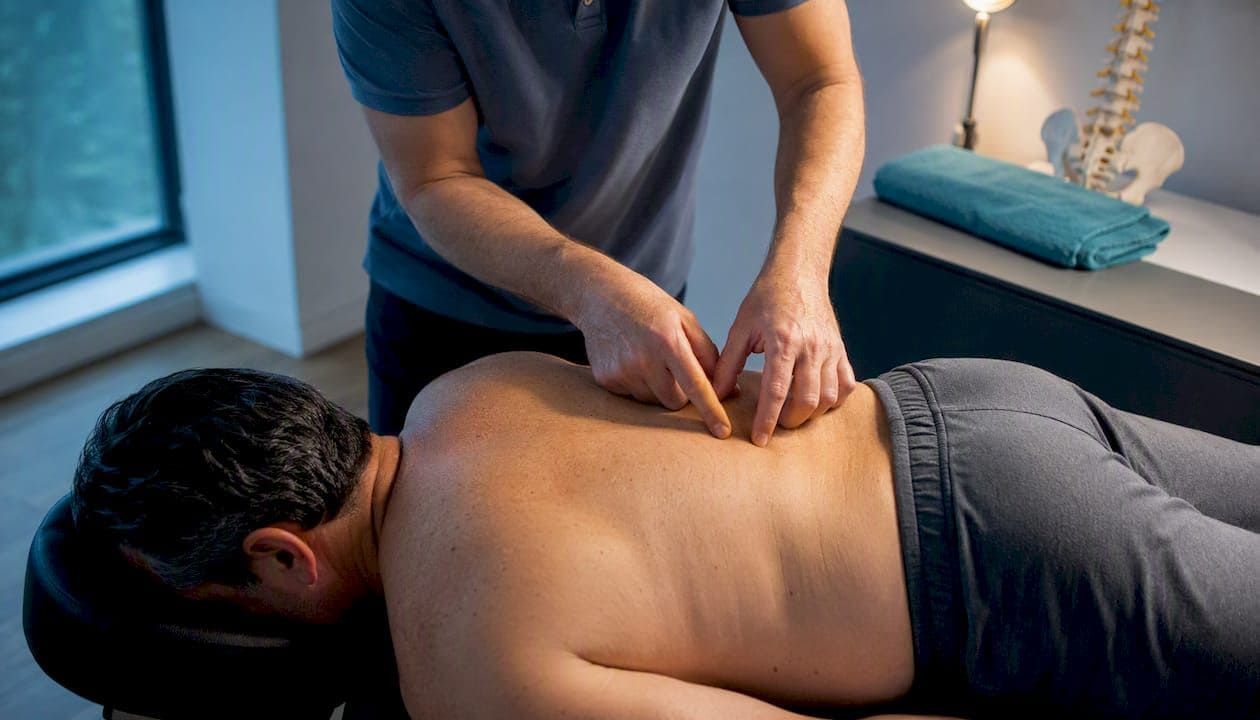
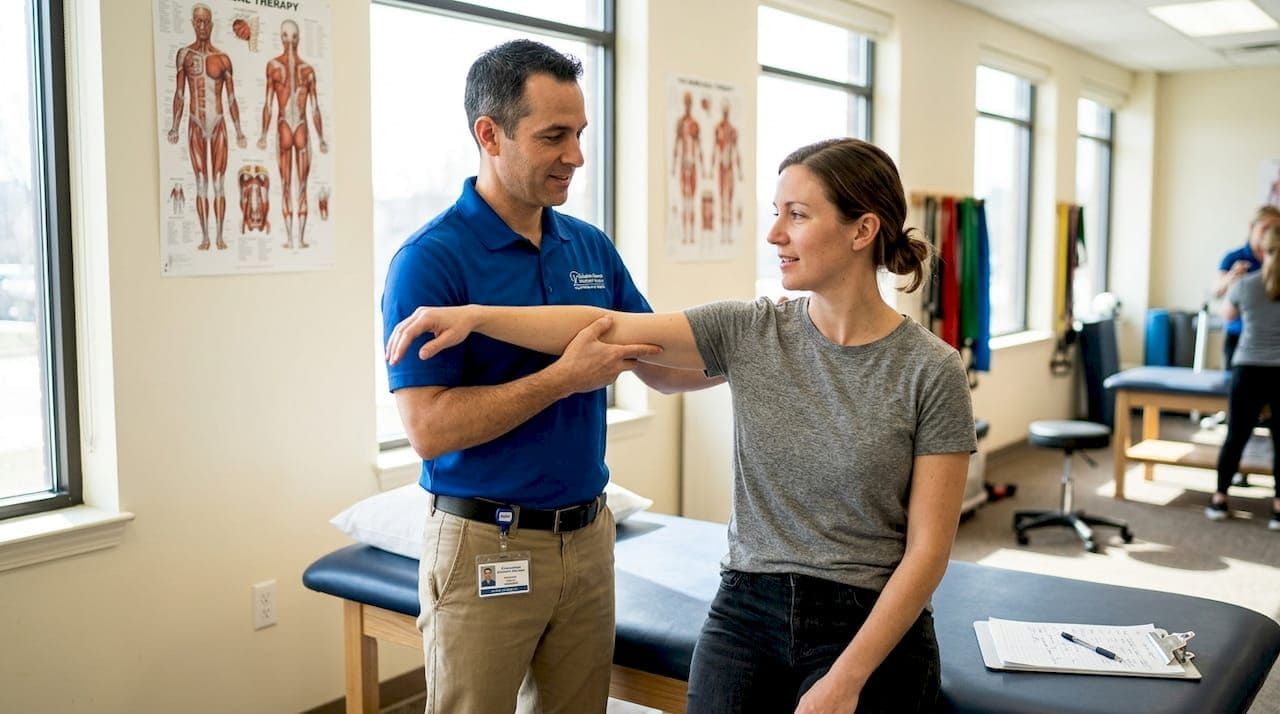
Manual therapy is a category of hands-on clinical treatment where a trained practitioner uses their hands to assess and treat pain, stiffness, and movement problems. Think of it as the opposite of passive care like ice packs or medication. Instead, a skilled provider applies targeted pressure, movement, or manipulation directly to the affected area to produce a specific therapeutic effect.
The primary goals are straightforward: reduce pain, restore mobility, and support injury recovery. It's used across a wide range of conditions, including:
- Chronic low back and neck pain
- Sports injuries (sprains, strains, shoulder impingement)
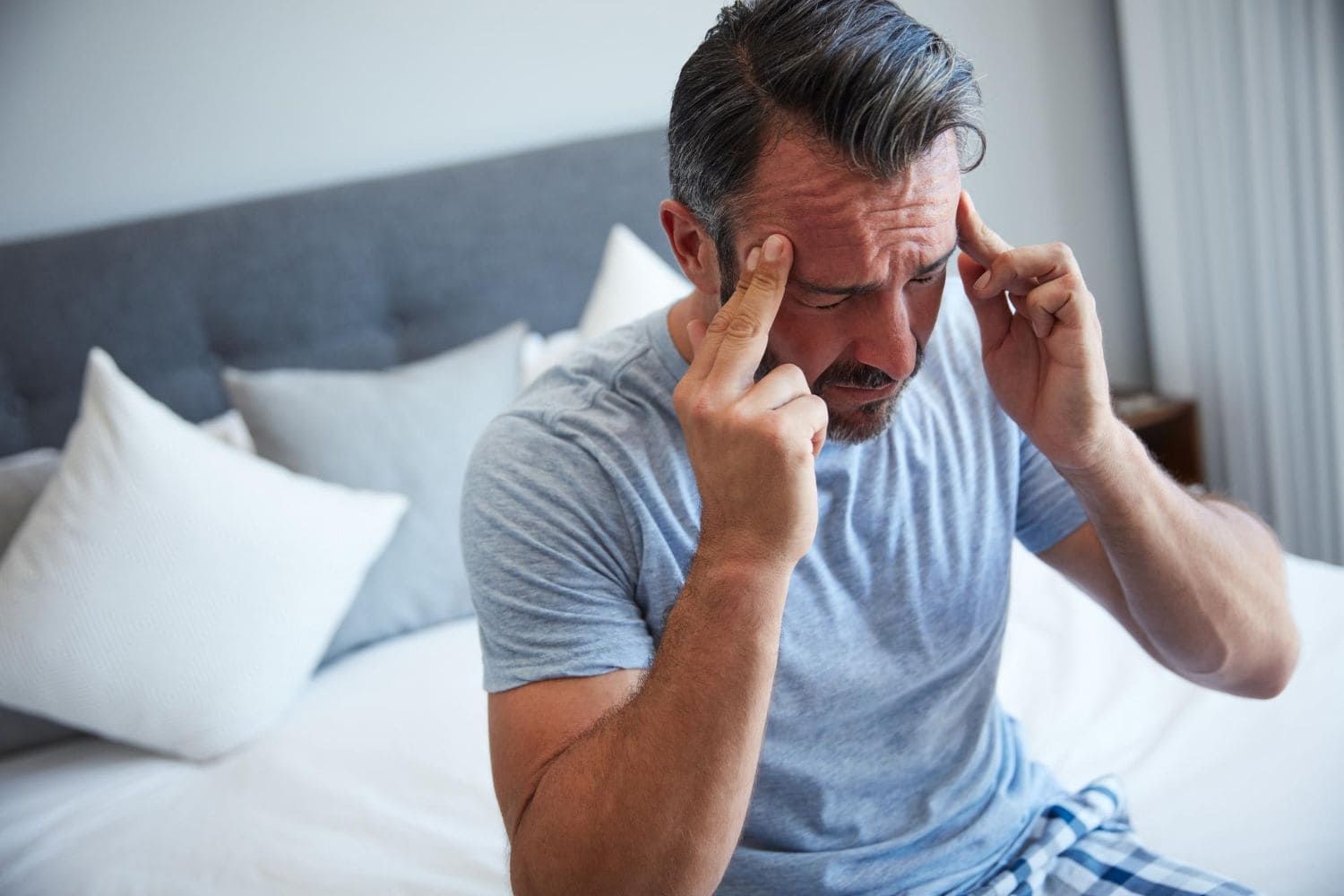
- Tension headaches and migraines
- Joint stiffness and arthritis-related pain
- Post-surgical rehabilitation
- Sciatica and nerve-related pain
The most common techniques include spinal manipulation (the classic chiropractic adjustment), joint mobilization (gentle, rhythmic movement of a joint through its range), and myofascial release (sustained pressure into the connective tissue to release tightness). Each technique has a specific application depending on your condition, pain level, and treatment goals.
Practitioners who deliver manual therapy include chiropractors, physical therapists, osteopathic physicians, and certified massage therapists. The manual therapy overview at Essential ChiroCare gives a clear picture of how these techniques are applied in a clinical setting.
Research confirms that manual therapy improves pain and function across conditions like low back pain and headaches with meaningful effect sizes. That's not anecdotal — it's the conclusion of a major international taskforce review.
Pro Tip: If you're new to manual therapy, ask your provider which specific technique they plan to use and why. A good clinician will always explain the rationale before they start.
The core benefits of manual therapy for pain relief
Understanding the basics sets the stage for discovering the actual, research-backed benefits manual therapy offers. Here's what the evidence consistently shows:
- Rapid short-term pain reduction. For both chronic and acute pain, manual therapy often produces noticeable relief within the first few sessions. This is especially true for low back pain, neck pain, and headaches.
- Improved range of motion. Stiff joints and tight muscles respond well to mobilization and manipulation. Patients frequently report moving more freely after just one or two visits.
- Better functional capacity. Pain relief translates directly into your ability to perform daily tasks, whether that's sitting at a desk without discomfort or getting back to your sport.
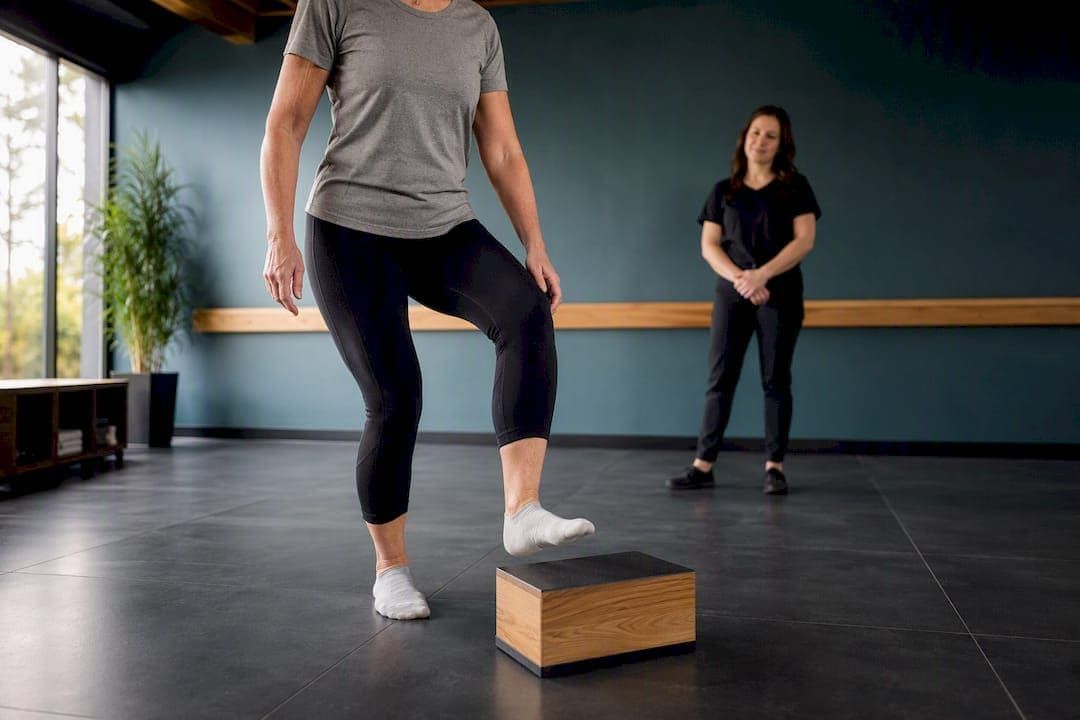
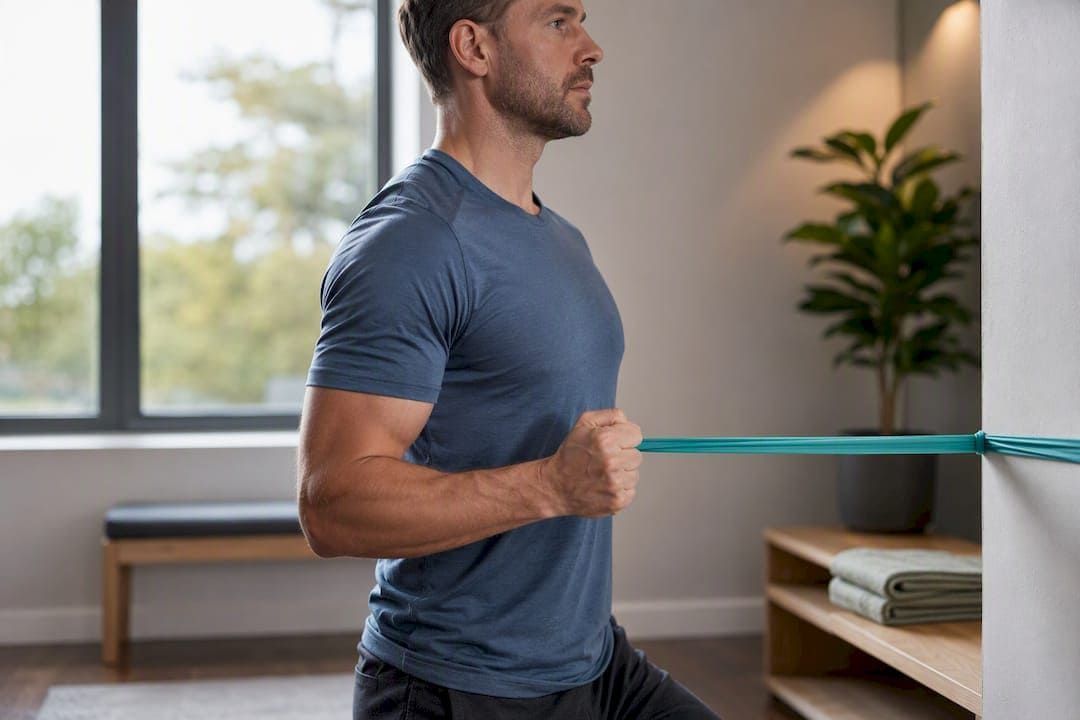
- Enhanced recovery when paired with exercise. Manual therapy alone is good. Manual therapy combined with a structured rehab program is significantly better.
- A strong safety profile. Serious complications are rare, and most side effects are minor and temporary.
"Manual therapy combined with exercise improves short-term pain and disability in chronic low back pain more than exercise alone."
This is a critical point. Too many patients choose one or the other. The research is clear that the combination outperforms either approach in isolation.
For spinal manipulation specifically, moderate function improvement with a low risk of severe side effects is well-documented in Cochrane reviews. That's one of the most rigorous standards in medical research.
If you want to understand how these benefits connect to a broader wellness plan, the chiropractic pain management benefits page outlines exactly how chiropractic care fits into long-term pain management.
Manual therapy in sports injury recovery: Speed and effectiveness
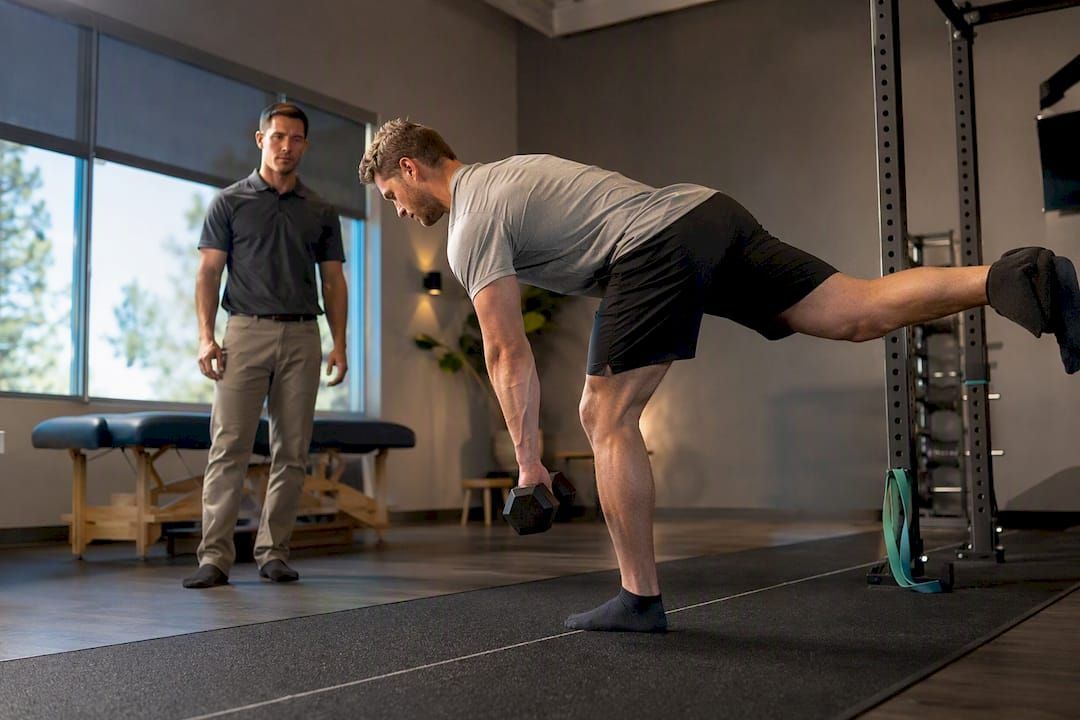
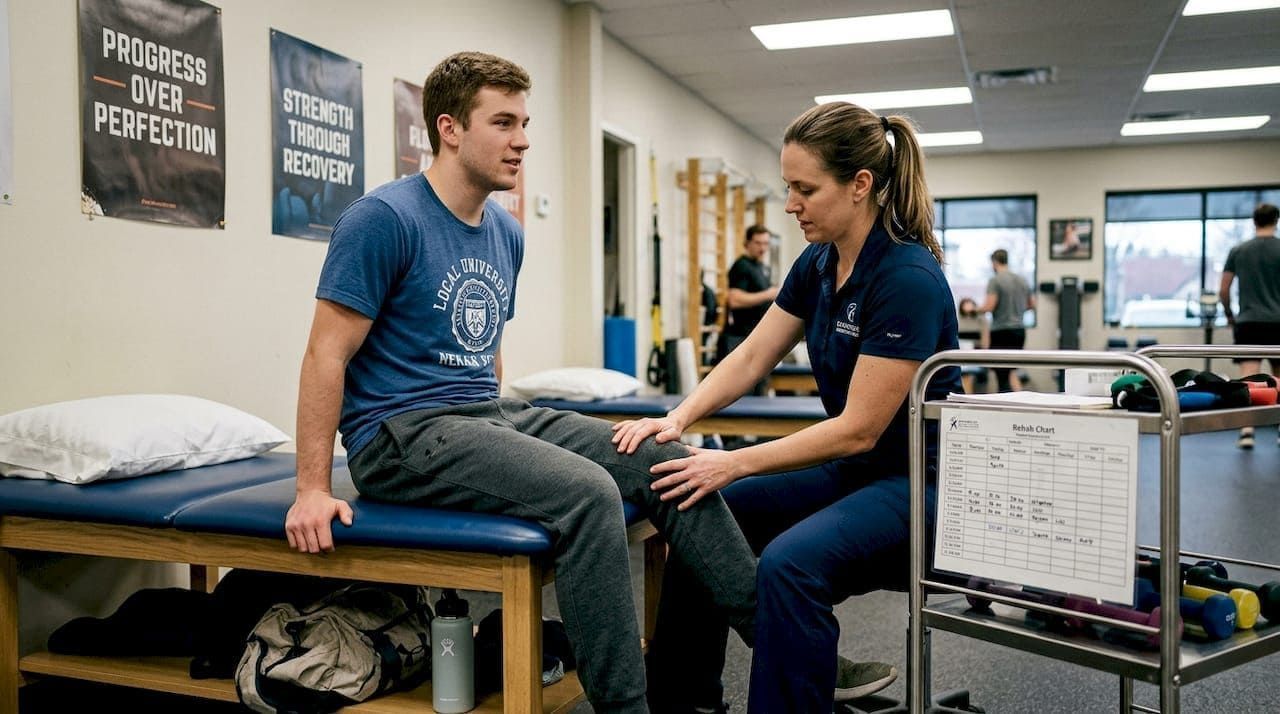
The benefits extend beyond general pain relief — manual therapy plays a powerful role in sports injury recovery. Whether you're a competitive athlete or a weekend warrior in Tampa Bay, getting back to full function quickly matters.
Recent research delivers some impressive numbers. Manual therapy with exercise in sports injury cases results in 86% pain reduction and 80% improvement in range of motion. Those aren't marginal gains — they're the kind of outcomes that get athletes back on the field.
| Outcome measure | Manual therapy alone | Manual therapy + exercise |
|---|---|---|
| Pain reduction | Moderate | Up to 86% |
| Range of motion improvement | Moderate | Up to 80% |
| Return-to-sport timeline | Slower | Significantly faster |
| Long-term function | Variable | More consistent |
The injuries that respond best to manual therapy include:
- Shoulder impingement and rotator cuff strains
- Ankle sprains and chronic instability
- Knee pain and IT band syndrome
- Hip flexor tightness and groin strains
- Cervical spine injuries from contact sports
Pro Tip: Don't wait until you're fully sidelined to seek care. Early manual therapy intervention after a sports injury often prevents the kind of compensatory movement patterns that lead to secondary injuries.
Our sports injury rehab experts work with athletes across West Central Florida to build recovery plans that combine hands-on care with progressive exercise. You can also explore chiropractic sports injury recovery strategies and the chiropractic care techniques most effective for accelerating your return to activity.
Short-term vs. long-term outcomes: What to realistically expect
With robust short-term benefits, it's important to understand how long these improvements last and how to maximize them. This is where a lot of patients get surprised — and sometimes disappointed.
The honest answer is that short-term outcomes for pain and function are where manual therapy shines most consistently. Long-term effects are less reliable and often absent without continued care or exercise. That's not a knock on the therapy — it's just reality, and knowing it helps you plan smarter.
| Timeframe | What to expect |
|---|---|
| After 1 to 3 sessions | Noticeable pain reduction, improved mobility |
| After 4 to 8 sessions | Functional gains, reduced reliance on pain medication |
| 3 to 6 months out | Benefits maintained only with exercise or follow-up care |
| Long-term (1+ year) | Variable; depends heavily on lifestyle and adherence |
Here's a statistic worth keeping in mind: studies that include sham controls often show smaller effect sizes than those that don't. Study designs without sham controls may overestimate manual therapy's benefit. That doesn't mean the therapy doesn't work — it means you should interpret enthusiastic claims with a critical eye and focus on outcomes that matter to you personally.
Signs that manual therapy is working include reduced pain intensity, better sleep, improved posture, and the ability to perform activities that were previously limited. If you're not seeing progress after six to eight sessions, it's worth discussing alternative or complementary approaches with your provider.
For a deeper look at how manual therapy fits into a full treatment plan, the in-depth manual therapy guide is a solid resource.

Risks and safety: What the evidence shows
Benefit always comes with some risk — let's look at what you need to know to stay safe with manual therapy.
The good news is that serious complications are genuinely rare. Here's what the research shows:
- Minor to moderate side effects (soreness, temporary stiffness, mild fatigue) occur in about 41% of cases. These typically resolve within 24 to 48 hours.
- Major adverse events are estimated at roughly 0.13%, meaning they are uncommon by any clinical standard.
- No serious consequences were identified in recent high-quality systematic reviews.
"Minor or moderate adverse events occur in 41% of cases, major events about 0.13%; no serious consequences found in reviews."
The most important safety factor is provider qualification. Manual therapy performed by a licensed, trained chiropractor or physical therapist carries a very different risk profile than unregulated or informal treatment. Always verify credentials before starting care.
Other practical safety tips:
- Disclose your full medical history , including blood thinners, osteoporosis, or prior surgeries.
- Speak up during treatment if pressure feels excessive or painful beyond normal discomfort.
- Avoid high-velocity manipulation if you have active inflammation or recent fractures without clearance.
Understanding the chiropractic pain management approach at a reputable clinic helps you ask the right questions before your first appointment.
A fresh perspective: What most people get wrong about manual therapy
Here's the uncomfortable truth most people don't hear until after they've been disappointed: manual therapy is not a cure. It's a catalyst.
We see patients at Essential ChiroCare who come in expecting one or two sessions to fix years of chronic pain. That expectation sets them up to quit too early, right before the cumulative benefits start building. On the flip side, we also see skeptics who dismiss manual therapy entirely because a single session didn't produce dramatic results.
Both groups miss the point. The manual therapy overview we use in practice is built around integration — hands-on care combined with corrective exercise, lifestyle guidance, and realistic goal-setting. Technique matters far less than the quality of the provider and the consistency of the patient.
The athletes who recover fastest aren't the ones who got the most aggressive treatment. They're the ones who showed up consistently, did their home exercises, and communicated openly with their care team. That's the real secret.
Pain relief and recovery: Get started with expert care
Ready to take the next step toward relief and recovery? If you've been living with pain that slows you down, manual therapy combined with a personalized rehab plan could be the turning point you've been looking for.
At Essential ChiroCare, our clinics across Tampa, Brandon, Sarasota, Lakeland, and Pinellas Park offer chiropractic care tailored to your specific condition and goals. Whether you need physical rehab services to rebuild strength after an injury or targeted sports injury care to get back to competition, our experienced doctors are ready to build a plan around you. Schedule online today and find out what evidence-based, hands-on care can do for your recovery.
Frequently asked questions
What types of pain does manual therapy help with?
Manual therapy has evidence-based benefits for back pain, neck pain, knee and hip pain, fibromyalgia, and tension headaches. It works across both chronic and acute pain presentations.
Is manual therapy safe?
Yes, manual therapy is generally safe. Minor side effects occur in about 41% of cases, while major adverse events are very rare at approximately 0.13%.
Does manual therapy have lasting results?
Manual therapy delivers strong short-term results, but long-term effects are less consistent without ongoing exercise or follow-up care to reinforce the gains.
Can manual therapy help with sports injuries?
Absolutely. When combined with exercise, manual therapy produces 86% pain reduction and 80% range of motion improvement in sports injury cases, making it one of the most effective recovery tools available.
Recommended