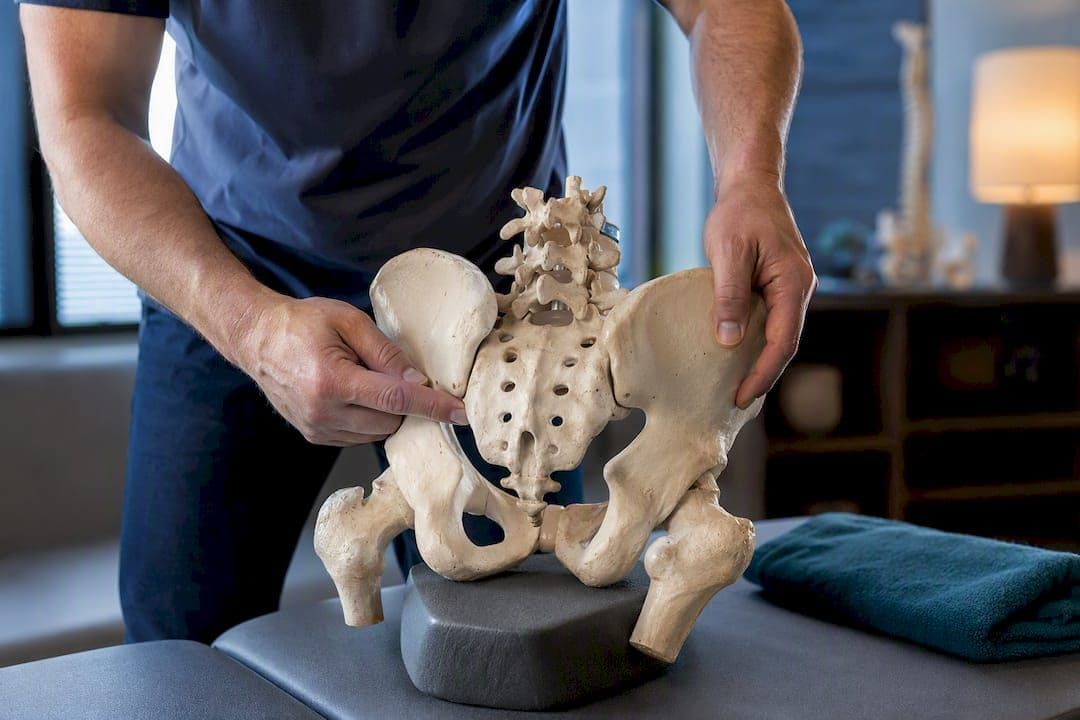
Anyone healing from a work injury knows that even simple things can feel harder than they used to. For many in Brandon, sitting becomes one of those unexpected struggles. What used to feel normal during a drive or long workday meeting can now bring surprising discomfort or tension into places like your back, hips, or legs. It might feel sharp, stiff, or just plain awkward.
These kinds of reactions are more than frustrating. They can interfere with concentration, limit how long you can stay put, and make recovery feel slower than it should be. If you’re looking into options like a work injury chiropractor in Tampa, it’s helpful to understand why sitting feels so out of sync during recovery in the first place. Sometimes, it’s not just the injury itself but what your body is trying to do to work around it. Learning about your body’s natural responses can make your path to recovery feel a little less unknown and provide reassurance that what you’re experiencing is common after this kind of injury.
Why Sitting Feels Different After a Work Injury
Sitting isn’t something most of us think twice about, but after a work injury, everything shifts. The way you support your weight or hold your posture gets thrown off, and even the muscles that weren’t directly impacted start acting differently.
Some reasons sitting gets harder after an injury include:
- Muscles, joints, and nerves used for regular sitting can become irritated or stiff
- Swelling or hidden inflammation in spots like your tailbone, hips, or lower back can add pressure that builds over time
- Other muscles may try to take over and compensate, which leads to tension or discomfort in areas that weren’t even injured
It is easy to overlook these changes since sitting rarely seemed difficult before. Yet, the body is quick to notice even small misalignments or compensations. This change in body mechanics doesn’t stop just because you’re trying to rest. In fact, the less you move, the more likely you are to notice these little aches turning into bigger distractions. Small twinges that used to fade away on their own start to linger, and the simple act of sitting through a meeting or watching TV becomes something you have to consider in advance. These uncomfortable sensations might not be constant but are often more noticeable after you try to relax in a chair or sit for longer periods without standing to stretch.
Muscle Changes from Less Movement
After an injury, staying still can sometimes feel like a relief. But too much sitting, especially during early healing, can create new problems. Think about how the body starts to adjust when muscles aren’t being used the same way.
Here’s what can start to happen:
- Muscles around places like the hips or spine lose strength when not used regularly
- Tightness builds up and makes it harder to stay in one position without shifting or fidgeting
- If your body is trying to avoid pain, your posture changes, pulling other muscles into awkward positions
Sitting might seem easiest when you’re tired from pain, but not using the right muscles makes it harder to get back to your usual strength. Over time, the body’s network of muscles and joints might stop working together, forcing one side to shoulder more effort or making it tough to stay balanced in your seat. Every time you shift around to get more comfortable, you might be creating more work for other muscles that would not usually need to help. It becomes a cycle. Discomfort makes you want to sit less. Moving feels limited, so you sit more. And eventually, the muscles meant to support you just aren’t doing their job as well anymore. If your legs feel restless or your back aches sooner than it did in the past, it may simply be your body asking for a new approach to sitting.
The Role of Misalignment and Imbalance
Work injuries often take your natural alignment and throw it off balance, even if just slightly. That shift might not be something you notice when walking or standing for a short time. But when you sit, the pressure tends to hit where things are already out of line.
When posture changes like this don’t reset on their own, it leads to:
- Extra effort from muscles that aren’t supposed to carry weight that long
- One side of the body working harder than the other, especially if there’s a limp or hip tilt
- Discomfort or twitchy sensations in your legs, lower back, or between the shoulder blades
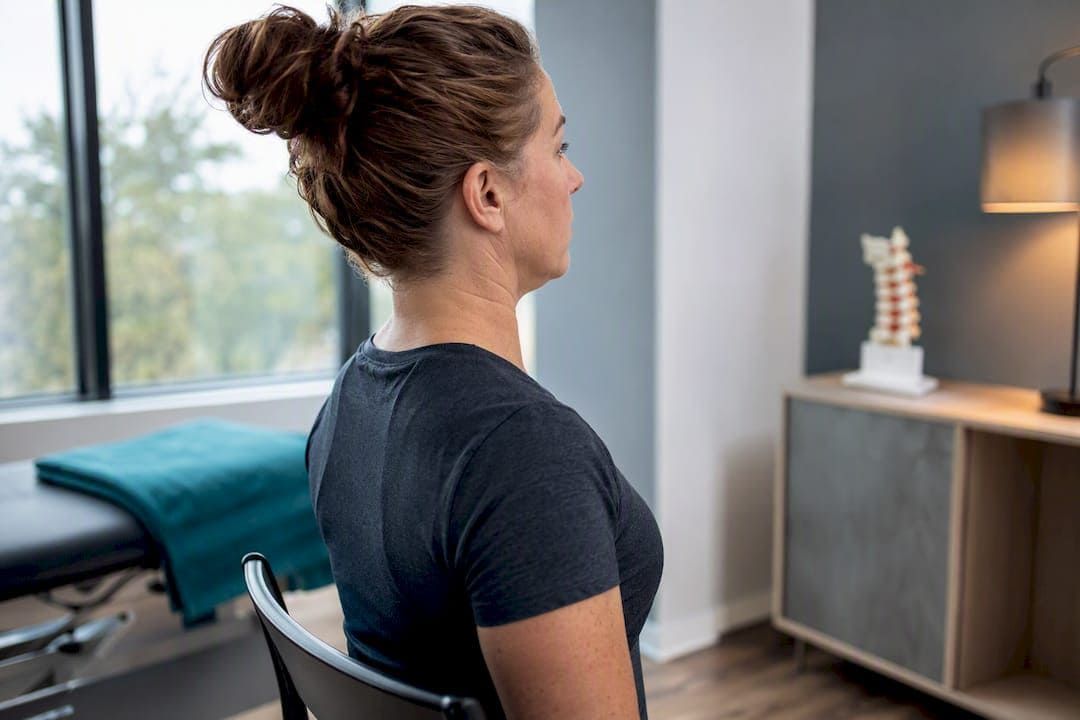
You might notice you lean to one side or prop yourself up with pillows to avoid certain pain, even if you’re not fully aware of it. As the imbalance continues, some muscles become stronger while others weaken, making it trickier for your body to return to its original balance. This can also change the curves in your spine or shift how your legs and hips rest in a chair. Over time, these little adaptations layer on top of each other, making a simple activity like sitting feel unpredictable.
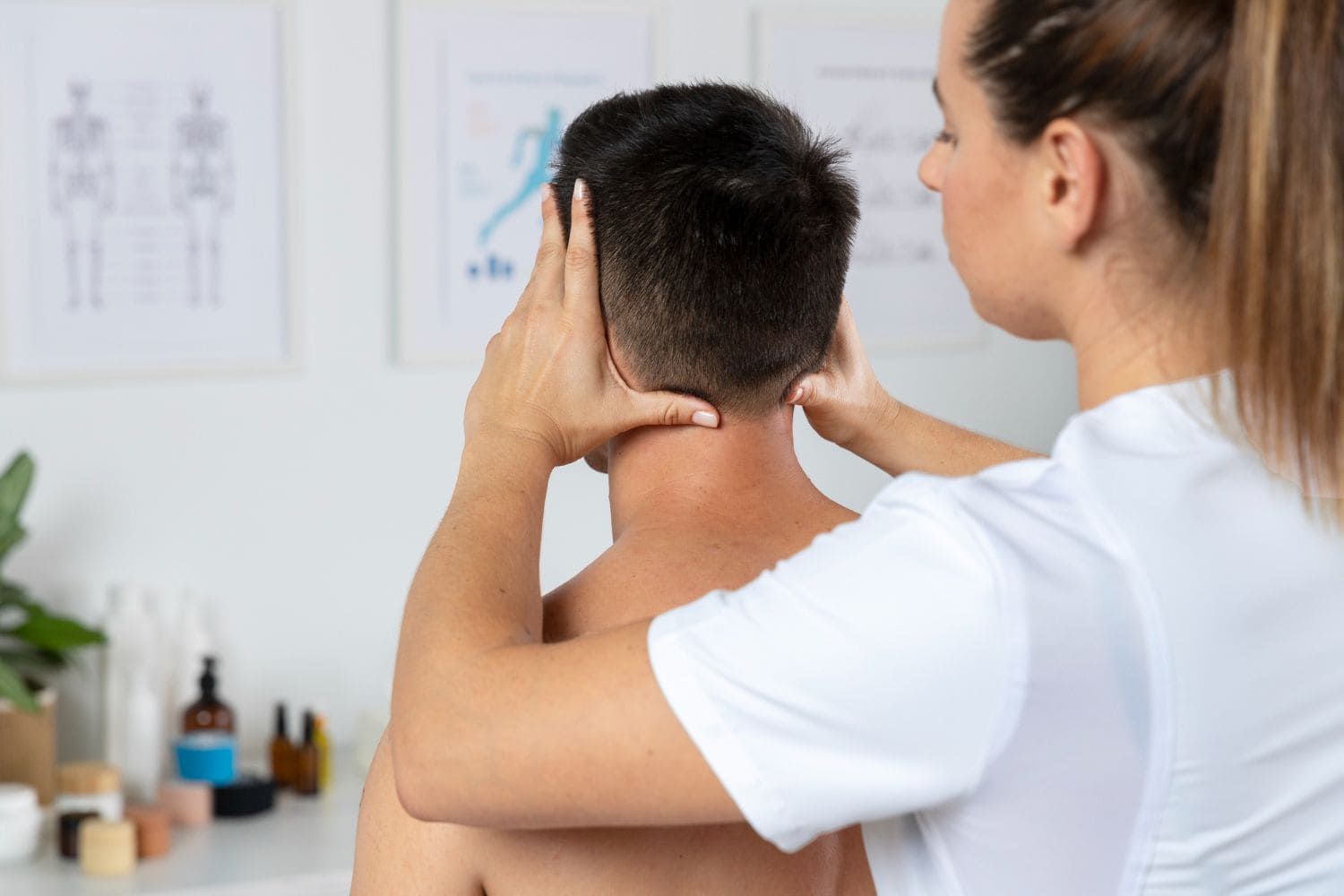
This is where the support of someone like a work injury chiropractor in Tampa could help notice those small shifts. They can help identify what’s not moving smoothly and how your body is adapting under stress. By observing these patterns, you can start addressing the root of your discomfort instead of just trying to mask the symptoms.
Why Brandon’s Winter Weather Might Make It Worse
By the second half of January, the mornings in Brandon tend to stay pretty cool. Even if we don’t see the same chills as places up north, the lower temperatures still impact how our bodies behave when healing.
Cooler air can slow down blood flow. That makes injured tissues feel stiffer, especially when staying in one position too long. And when humidity drops, joints and muscles are more likely to tighten sooner.
These winter conditions can make everyday transitions harder, like:
- Sitting down after standing for a while, or vice versa
- Holding one position for too long, like during a meeting or on a long drive
- Noticing sharper discomfort after sitting in a cold room or car
Across Brandon, winter mornings can sneak up on you, especially if you leave home early or sit near a drafty window. The extra chill in the air can make any existing tension even more noticeable and make warming up your muscles take longer. This can turn a simple commute or routine workday into something that requires more breaks, stretching, or planning ahead. When it’s winter in Brandon, it becomes even more important to notice how your body responds to rest, stillness, and sitting postures. Practicing patience with yourself and giving your body the time it needs to adjust can make these transitions smoother.
Getting Comfortable Again Takes the Right Kind of Help
Pain during sitting doesn’t always fade with time, especially if your body has changed how it moves or supports itself. Some people start to assume they’ll just have to deal with the discomfort or try quick fixes like seat cushions. But most of the time, it’s not just about the surface you’re sitting on. It’s about how your muscles, joints, and spine are behaving underneath it all.
When sitting begins to affect your focus, sleep, or daily routines, you may start to wonder if there’s a better way to handle the discomfort. With support and the right movement guidance, your body can start to adjust again, removing some of the compensation patterns and making everyday moments feel easier. Finding comfort isn’t just about easing the pain in the moment but working toward feeling good in your whole body when you’re at rest. Sitting should feel natural, not something you have to push through. Creating small shifts before spring arrives can help your recovery stay on track, especially as you get back to routines that matter.
Letting your body relearn the rhythm of sitting comfortably can bring surprising relief and renewed confidence as you move through your day. If you take the time to listen to even minor aches or postural shifts, you’ll be better prepared to get back to what matters to you and stay active through the changing seasons.
At Essential ChiroCare, we know how important it is to feel steady and supported during recovery, especially when everyday actions like sitting start to feel unfamiliar. If your balance or posture has shifted after a work injury, we can help you understand what your body is going through and guide you toward feeling more like yourself again. Many people are surprised at how much better things can feel once they get the right kind of care in place. If you're searching for a
work injury chiropractor in Tampa, we’re here to talk. Give us a call to take the next step.