Personal Injury Rehabilitation Guide for Holistic Recovery
Personal Injury Rehabilitation Guide for Holistic Recovery
Every injury brings its own set of challenges, especially for those living in vibrant communities across West Central Florida. When pain interferes with work, family, or your favorite activities, a personalized approach makes all the difference. Comprehensive injury assessment and a tailored rehabilitation plan empower you to regain independence and move with confidence. This guide walks you through the most effective steps for pain management and long-term prevention using holistic chiropractic techniques designed for your own recovery journey.
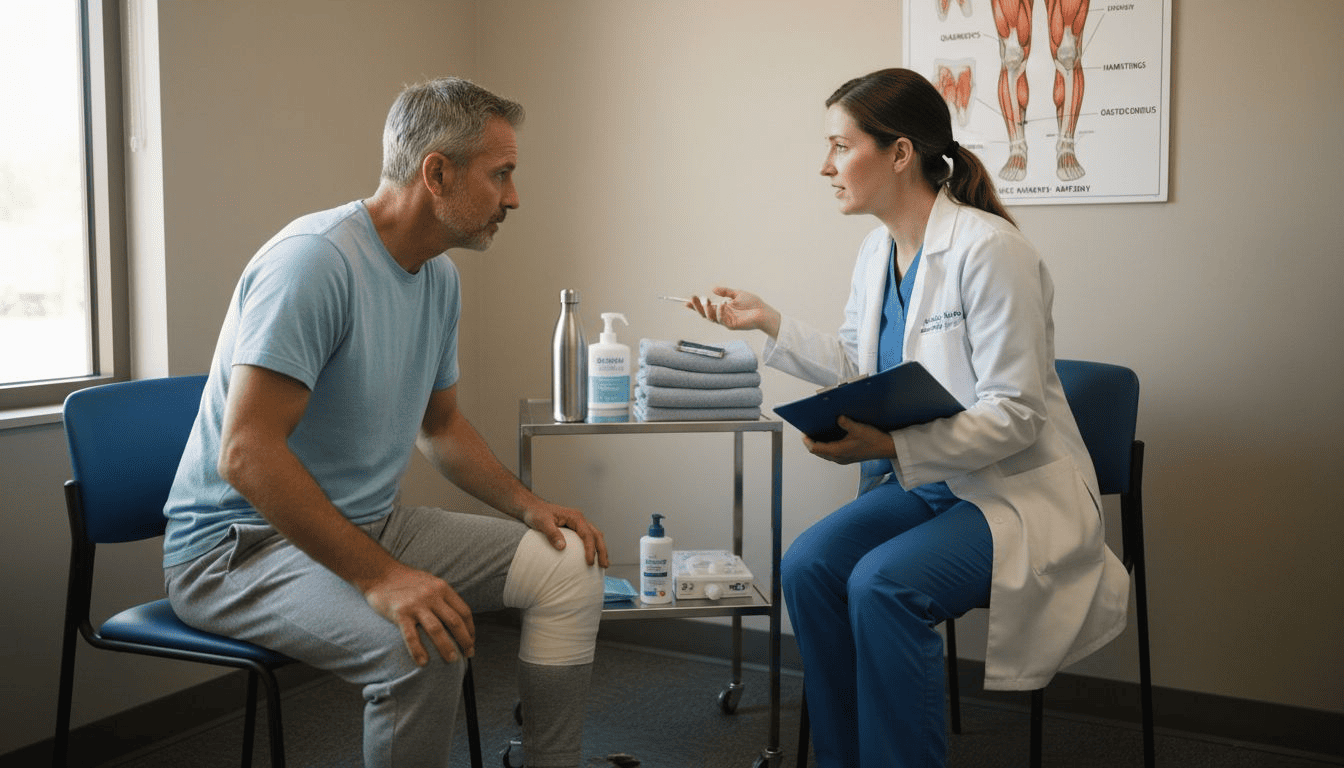
Table of Contents
Quick Summary
| Key Takeaway | Explanation |
|---|---|
| 1. Personalize Your Recovery Plan | Assess your injury with a healthcare professional to create a specific, tailored recovery strategy. |
| 2. Use Gentle Chiropractic Care | Incorporate gentle adjustments to enhance joint function and facilitate natural pain relief during recovery. |
| 3. Focus on Targeted Rehabilitation | Engage in customized exercises that directly address your specific impairments to accelerate recovery. |
| 4. Monitor Your Progress Regularly | Track pain levels and functional gains to inform necessary adjustments to your recovery plan. |
| 5. Establish Long-Term Prevention Habits | Develop sustainable practices to prevent re-injury and maintain overall wellness after treatment ends. |
Step 1: Assess Injury and Create a Personalized Plan
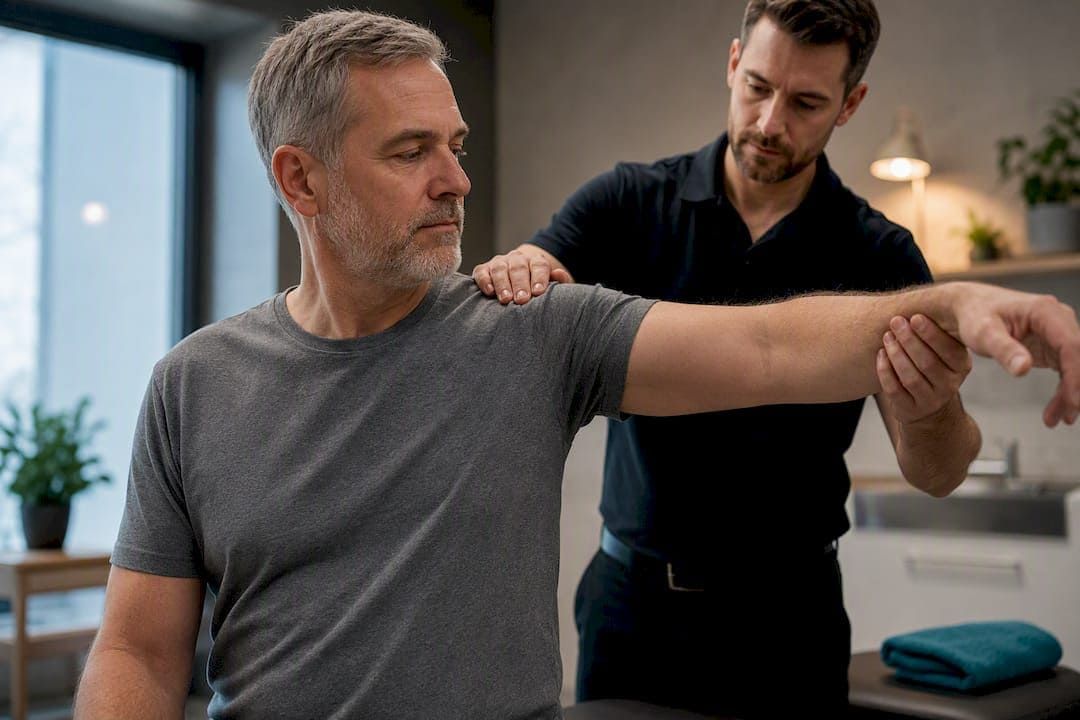
Your path to recovery starts with understanding exactly what you’re dealing with. This first step involves a thorough evaluation of your injury and developing a plan tailored specifically to your situation. Rather than applying a generic approach, you’ll work with a healthcare professional to identify your unique needs, limitations, and recovery goals. This personalized assessment becomes the foundation for everything that follows.
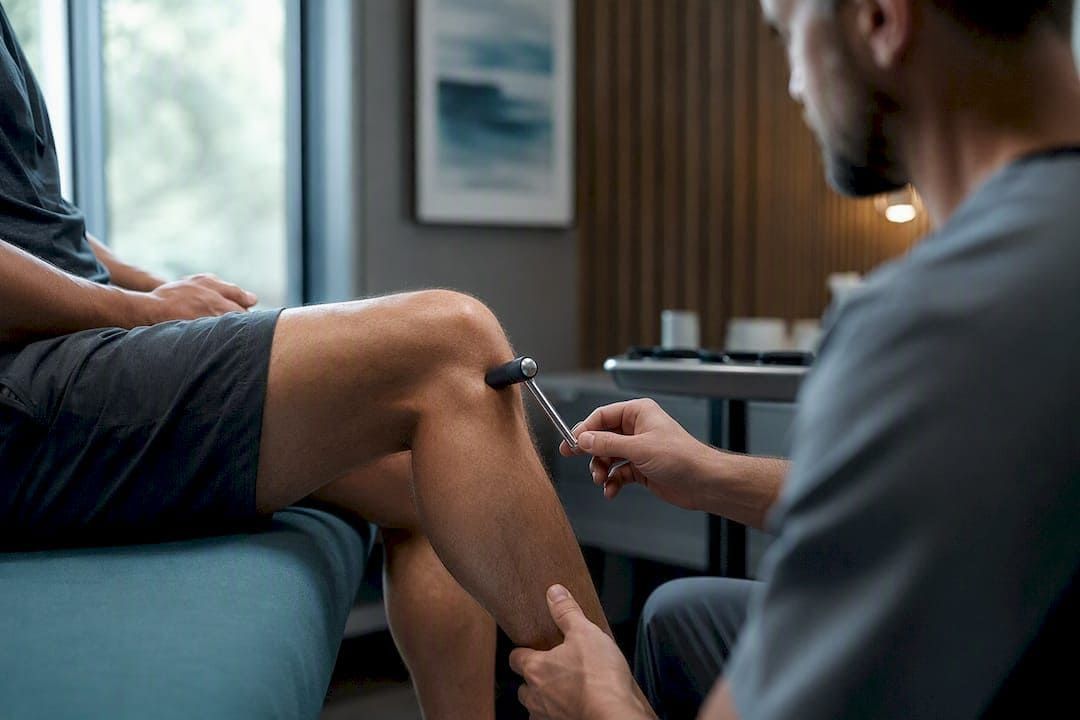
Begin by gathering information about how your injury occurred and what symptoms you’re experiencing right now. Can you pinpoint where the pain is located? Does it worsen with certain movements or activities? What was your physical condition before the injury? These details matter because comprehensive injury assessment helps determine the most effective path forward for regaining independence and improving your quality of life. During your professional evaluation, expect a healthcare provider to examine your range of motion, strength, flexibility, and how the injury affects your daily activities. They’ll ask about your lifestyle, work demands, and personal goals because an injury affecting a construction worker requires different strategies than one affecting someone with a desk job.
Once your injury is fully assessed, you and your provider will create a plan that addresses not just the immediate pain but your long-term recovery. This plan should outline specific treatment approaches, expected recovery timelines, and measurable goals you’re working toward. A multidisciplinary rehabilitation approach integrating physical therapy, targeted exercises, and lifestyle modifications increases your chances of successful recovery and reduces the risk of re-injury. Your plan becomes a roadmap that keeps both you and your healthcare team aligned on what comes next.
Pro tip: Write down your key symptoms, when they started, what makes them better or worse, and your main recovery goal before your first appointment. This simple preparation helps your healthcare provider create a more accurate and effective plan in less time.
Step 2: Implement Gentle Chiropractic Adjustments
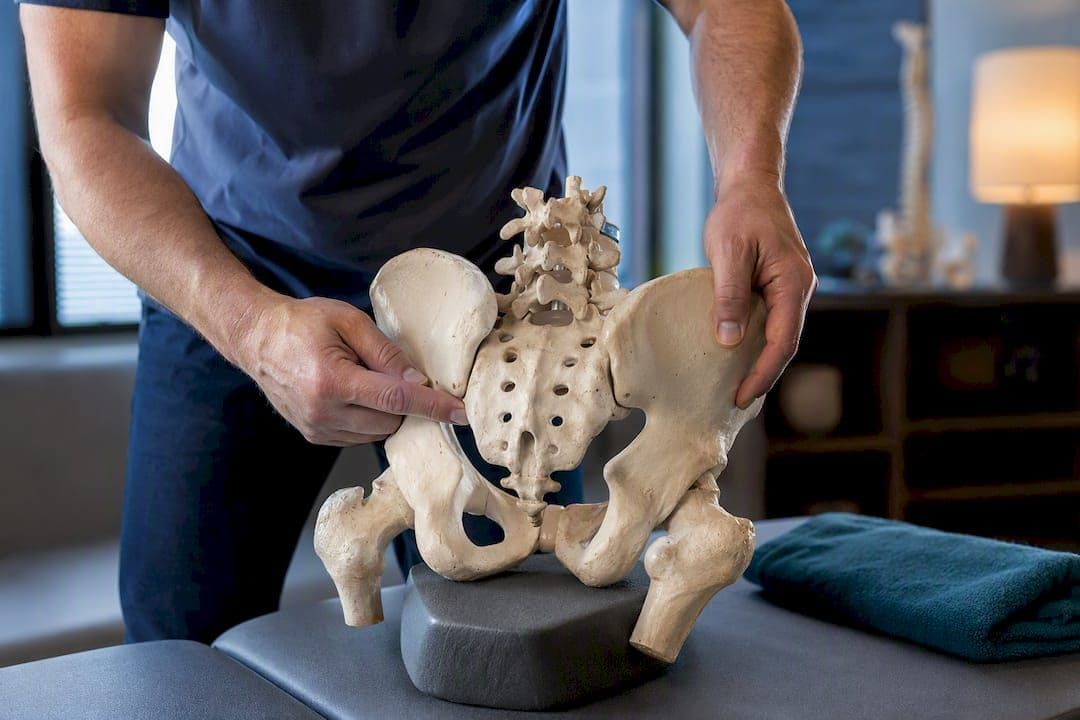
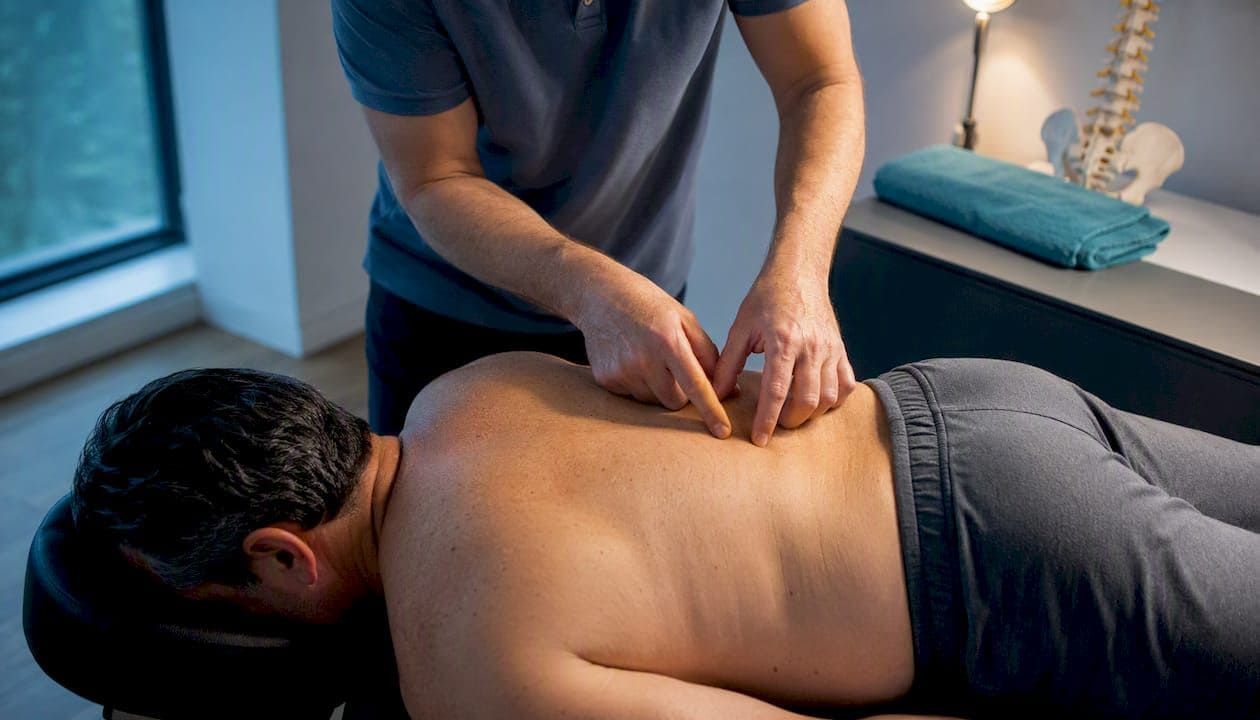
Once your injury is assessed and your personalized plan is in place, gentle chiropractic adjustments become an important part of your recovery toolkit. These adjustments work by improving how your joints move and function, which reduces pain while supporting your body’s natural healing processes. Rather than aggressive manipulation, gentle techniques are specifically designed for injured tissues that need careful, targeted care without additional stress or strain.
During your chiropractic sessions, your provider will use controlled movements to restore proper alignment and mobility to affected joints. You’ll notice that chiropractic adjustments for pain relief work differently depending on your specific injury. Some adjustments focus on relieving immediate discomfort, while others address underlying movement patterns that contributed to your injury in the first place. Your provider may use hands-on techniques, specialized instruments, or a combination of both. The key is that the adjustment matches your injury severity and your body’s current capacity to heal. You might feel immediate relief, or the benefits may build over several sessions as inflammation decreases and normal function returns. Don’t be surprised if your chiropractor also teaches you specific movements or positions to maintain between visits, as this bridges the gap between professional care and your daily recovery efforts.
Gentle adjustments are most effective when integrated into your broader rehabilitation plan alongside physical therapy and targeted exercises. Manual therapies including chiropractic care complement other interventions by restoring range of motion, reducing muscle tension, and preparing your body for the strengthening work ahead. Think of adjustments as removing obstacles so your other recovery strategies can work more effectively. As your mobility improves and pain decreases, your provider will adjust the frequency and intensity of treatments based on your progress.
Pro tip: Let your chiropractor know immediately if any adjustment causes sharp pain or discomfort, as gentle care should feel therapeutic, not painful, and communication ensures your treatment stays safe and effective.
Step 3: Incorporate Targeted Physical Rehabilitation
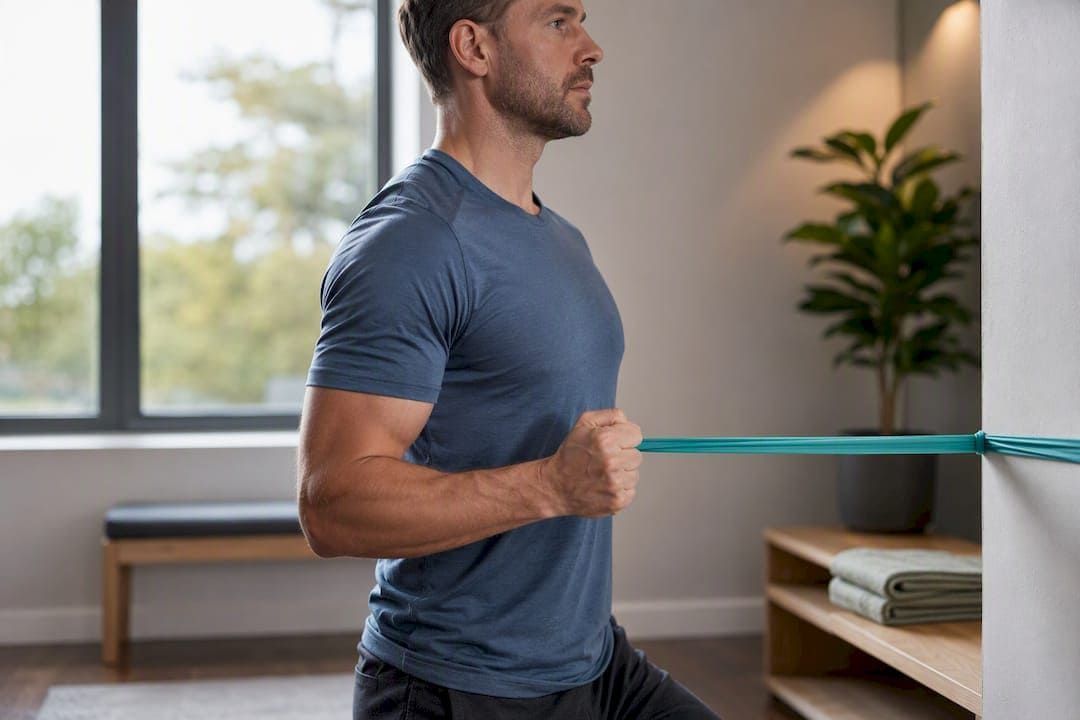
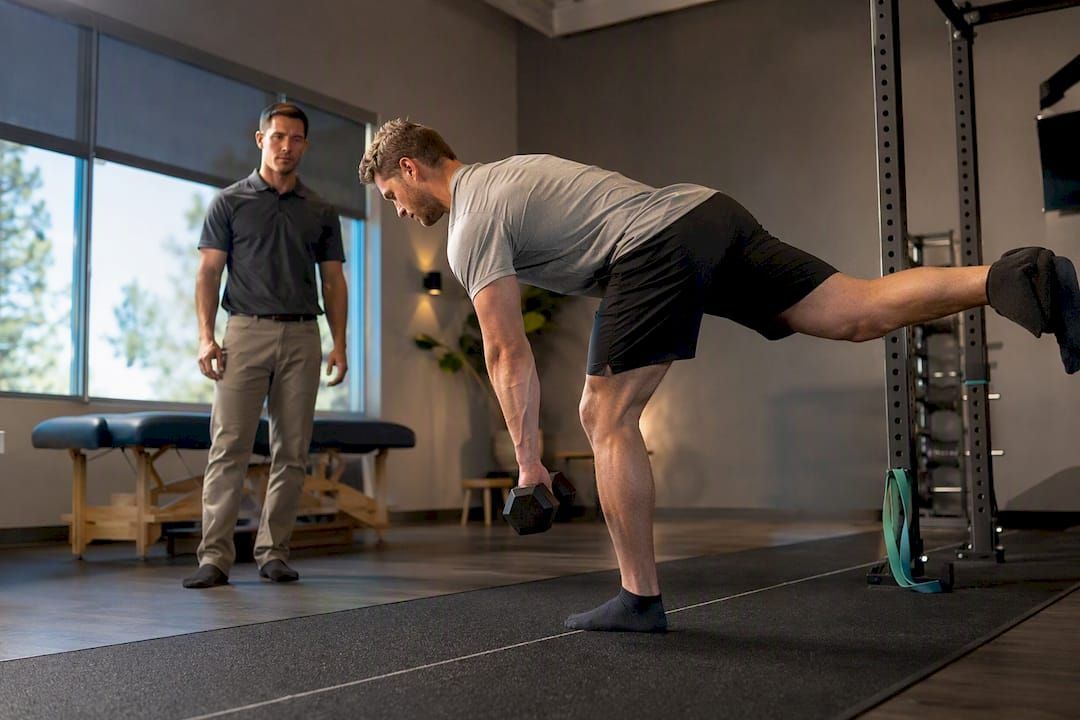
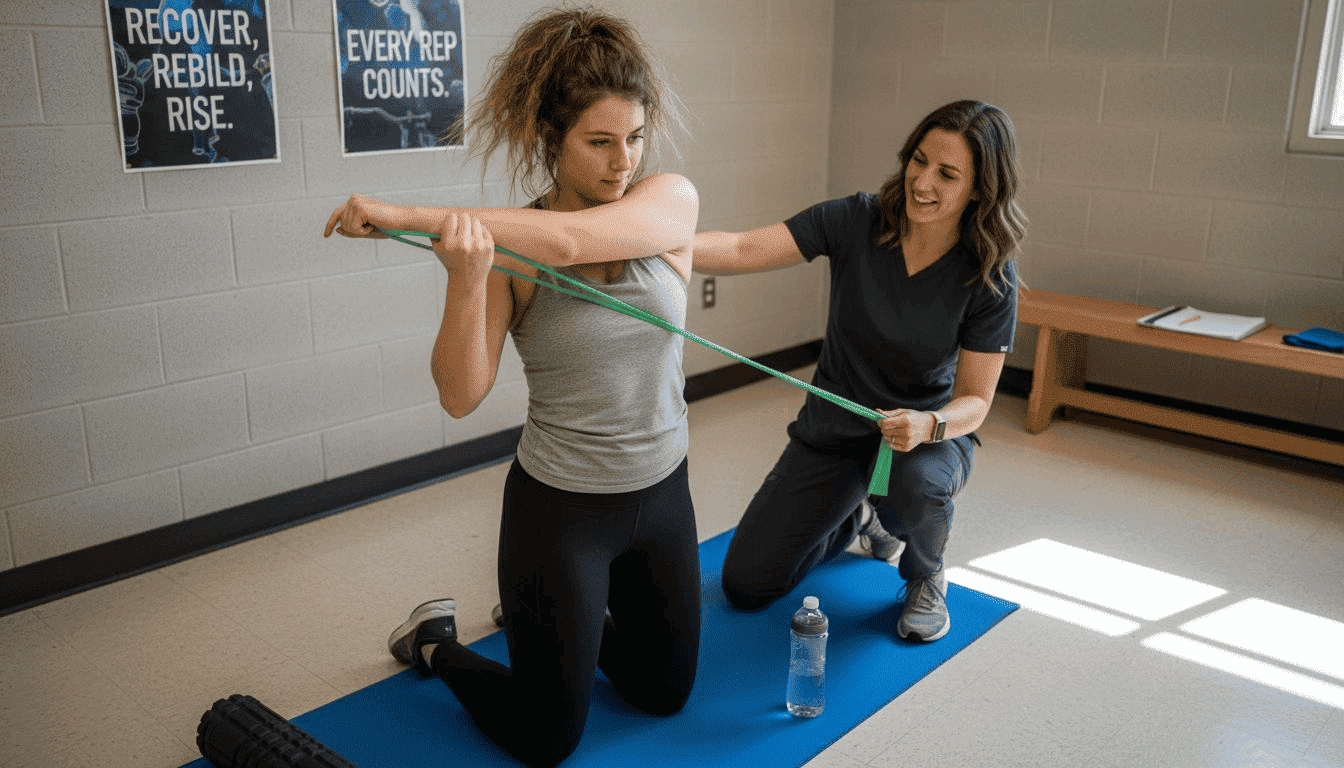
Physical rehabilitation exercises are where your recovery truly accelerates. This phase focuses on restoring the specific functions that your injury affected, whether that’s walking without pain, lifting objects, or simply moving through your day comfortably. Rather than generic exercise routines, your rehabilitation plan targets the exact impairments limiting you right now, using evidence-based protocols to personalize your treatment and improve outcomes by addressing what matters most to your daily life.
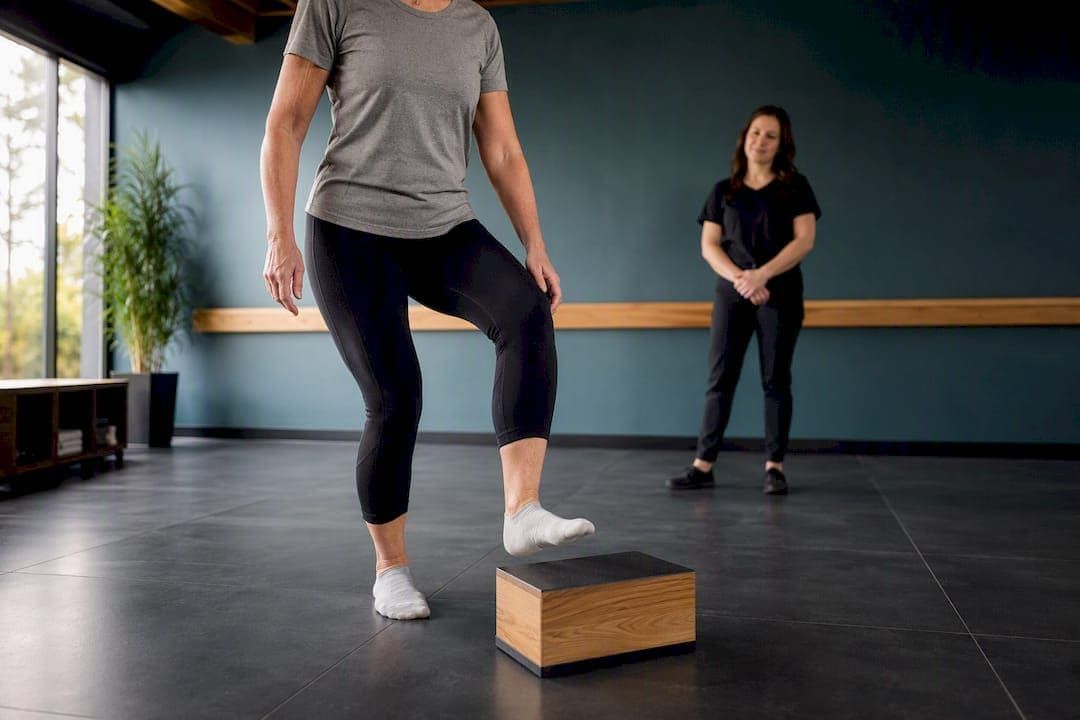
Your physical rehabilitation program typically includes multiple components working together. You’ll start with exercises that restore your range of motion and flexibility, gradually progressing to strength building once your tissues can handle increased demand. Proprioception work is equally important—these exercises teach your body awareness and stability, which prevents future injuries. If you injured your knee, for example, your rehabilitation will look different than someone recovering from a shoulder injury, because the movements your body needs to relearn are specific to that joint and its role in your activities. Your therapist will monitor your progress carefully, adjusting exercise difficulty and volume based on how you respond. Some days you might feel stronger and move through your routine with ease, while other days demand patience and modification. This variability is completely normal and part of the natural healing process.
The integration of individualized exercises for strength and flexibility works best when combined with your chiropractic care and any other interventions in your plan. Your physical therapist and chiropractor should communicate about your progress, ensuring that adjustments support your rehab work and that exercises don’t conflict with your healing timeline. Consistency matters more than intensity at this stage. Completing 75 percent of your prescribed exercises regularly beats pushing yourself hard for one week then stopping. Track how you feel during and after your exercises, noting any movements that feel better or movements that need more work. This feedback helps your therapist refine your program as you progress toward your recovery goals.
Pro tip: Perform your prescribed exercises at the same time each day to build habit, and use your phone to record short videos of yourself doing them, so you can review your form and catch yourself before compensating in ways that might cause re-injury.
Step 4: Monitor Progress and Adapt Treatments
Recovery isn’t a straight line. Your body heals in waves, some weeks bringing noticeable improvement while others feel like a plateau. Monitoring your progress and allowing your treatment plan to evolve keeps your recovery on track rather than letting you get stuck. This step involves tracking measurable changes in your pain levels, mobility, strength, and function, then using that data to refine what’s working and adjust what isn’t.
Start by establishing clear markers of progress before each appointment. Can you walk farther without pain than last week? Does your range of motion feel less restricted? Are there activities you can now do that you couldn’t before? Your healthcare provider will conduct formal tests to measure these changes objectively, but your own observations matter just as much. Keep notes on how you feel during daily activities, what movements trigger discomfort, and when you notice improvement. Monitoring progress through feedback mechanisms allows your therapist and chiropractor to understand what’s working specifically for your body. If your pain hasn’t decreased after four weeks of consistent treatment, something needs to change. Maybe the intensity of your exercises needs adjustment, or perhaps your chiropractor should focus on a different spinal region. Maybe your stretching routine should shift from static to dynamic. The point is that stagnation signals a need for adaptation, not a reason to lose hope.
Your providers should regularly review your progress together and adjust your treatment parameters accordingly. Ongoing assessment and systematic quality improvement in rehabilitation ensures your plan stays aligned with your recovery goals and addresses your individual needs. If you’ve regained 60 percent of your normal function, your exercises should increase in difficulty. If inflammation is finally subsiding, you might reduce appointment frequency while maintaining your home routine. This adaptive approach respects where you actually are in recovery rather than following a rigid timeline that doesn’t match your body’s reality. Think of your treatment plan as a living document that evolves with you.
Pro tip: Take photos or videos of yourself performing key movements weekly and keep a simple pain journal with dates, activities, and pain ratings from 1 to 10, giving your provider concrete visual and numerical data to guide adjustments.
Step 5: Promote Long-Term Prevention and Wellness
Your recovery isn’t truly complete when pain disappears. The final and most important step involves building the habits and skills that keep you healthy long after your formal treatment ends. This phase shifts your focus from rehabilitation to prevention, ensuring the injury doesn’t resurface and your overall wellness continues to improve. You’ll establish sustainable practices that become part of your daily routine, protecting your recovery gains while enhancing your quality of life.
Start by understanding what caused your injury in the first place. Was it poor posture at work? Repetitive movements without proper technique? Weak stabilizing muscles? Inadequate stretching habits? Sustained health coaching and self-management strategies empower you to maintain improvements and prevent future injuries by addressing these root causes. Your healthcare provider should help you identify specific risk factors unique to your situation and your West Central Florida lifestyle. If you spend hours sitting at a desk, your prevention plan looks different than someone working construction or playing sports. Your plan might include a specific warm-up routine before activities, regular stretching sessions, ergonomic adjustments to your workspace, or strength maintenance exercises performed two to three times weekly. The key is making these practices so routine they become automatic, not something requiring constant willpower.
Long-term wellness also means staying connected to your healthcare provider even after formal treatment concludes. Building resilience and employing risk stratification to personalize ongoing care prevents injury recurrence and maintains your quality of life. Schedule periodic check-in appointments every few months, especially during seasons when you increase physical activity or take on new challenges. These visits catch emerging problems before they become serious setbacks. Beyond clinical care, focus on lifestyle factors that support healing and prevent injury: quality sleep, nutritious eating, stress management, and consistent movement throughout your day. Think of yourself as someone who’s learned valuable lessons from your injury and now invests in ongoing wellness. This mindset transforms injury recovery from a temporary crisis into a foundation for lasting health.
Pro tip: Create a simple monthly prevention checklist that includes your key stretches, strengthening exercises, posture reminders, and activity modifications, and review it with your chiropractor quarterly to adjust based on seasonal activities and evolving needs.
This table compares short-term and long-term goals during injury recovery:
| Timeframe | Typical Goals | Key Strategies | Provider Role |
|---|---|---|---|
| Early Recovery | Decrease pain, restore function | Gentle care, assessment | Injury evaluation, plan creation |
| Long-Term | Prevent recurrence, wellness | Habit forming, education | Ongoing support, periodic review |
Here’s a summary of how each rehabilitation phase contributes to recovery success:
| Phase | Main Objective | Typical Methods | Expected Outcome |
|---|---|---|---|
| Injury Assessment | Identify injury details | Evaluation, history, testing | Tailored recovery plan |
| Chiropractic Adjustments | Restore joint function | Fernandez | Reduced pain, better mobility |
| Physical Rehabilitation | Regain movement and strength | Targeted exercises, monitoring | Improved strength, flexibility, safety |
| Progress Monitoring | Track and adapt treatments | Pain logs, performance tests | Timely adjustments, steady recovery |
| Prevention & Wellness | Maintain long-term health | Lifestyle changes, follow-ups | Lower re-injury risk, lasting wellness |
Take Charge of Your Injury Recovery with Holistic Care at Essential ChiroCare
If you are struggling with pain from a personal injury and seeking a comprehensive path to true healing you are not alone. This article highlights the challenges of managing pain, restoring mobility, and preventing future setbacks through a tailored rehabilitation plan that combines gentle chiropractic adjustments, physical therapy, and ongoing monitoring. At Essential ChiroCare, we understand these specific needs and offer personalized treatment strategies designed to address the root causes of your pain while supporting your long-term wellness. Our experienced doctors create recovery plans that evolve with your progress to ensure steady improvement and lasting relief.
Do not let pain control your life or delay your recovery any longer. Experience the difference of a holistic approach by scheduling your consultation today at Essential ChiroCare. Discover how our specialized chiropractic adjustments, injury-focused physical rehabilitation, and wellness support can help you regain strength, reduce discomfort, and prevent future injury. Take the first step toward lasting recovery now and reclaim your quality of life.
Learn more about how our Chiropractic Adjustments for Pain Relief and Personalized Rehabilitation Plans help patients just like you.
Frequently Asked Questions
How do I assess my injury for effective rehabilitation?
To assess your injury effectively, gather details about how it occurred, current symptoms, and previous physical condition. Document specific pain locations and activities that worsen or alleviate discomfort, then discuss this information with your healthcare provider to develop a tailored rehabilitation plan.
What should I expect during my chiropractic adjustments?
During chiropractic adjustments, expect gentle techniques aimed at improving joint function and reducing pain. Communicate any discomfort you feel during the session, as proper adjustments should feel therapeutic, not painful.
What types of exercises are included in physical rehabilitation?
Physical rehabilitation typically includes exercises that restore range of motion, increase strength, and enhance stability. Follow your therapist’s prescribed routine consistently to maximize recovery and aim to complete at least 75 percent of your prescribed exercises weekly.
How can I monitor my recovery progress effectively?
To monitor recovery progress, keep a journal to track pain levels, mobility, and daily activities. Set clear goals for each appointment, noting improvements and any challenges, which can help inform your healthcare provider about necessary adjustments to your treatment plan.
What are long-term strategies for preventing future injuries?
Long-term injury prevention involves understanding the root causes of your injury and implementing sustainable habits such as regular stretching and strengthening exercises. Create a monthly checklist of preventive measures and review it with your healthcare provider to adapt your routine as needed.
Recommended