Role of Chiropractic in Injury Rehab: Restoring Mobility and Wellness
Role of Chiropractic in Injury Rehab: Restoring Mobility and Wellness
What happens after a pulled muscle sidelines your training or a sprain keeps you off the field in Tampa or Clearwater? For athletes and active adults in West Central Florida, understanding how chiropractic care supports recovery can shape your entire rehabilitation journey. Chiropractic care focuses on diagnosing and treating musculoskeletal disorders through spinal manipulation and manual therapies that help restore joint function and reduce pain while kickstarting your body’s natural healing process. Discover how this hands-on approach targets both the injury and its root causes, paving the way to a safer, stronger return to your favorite activities.
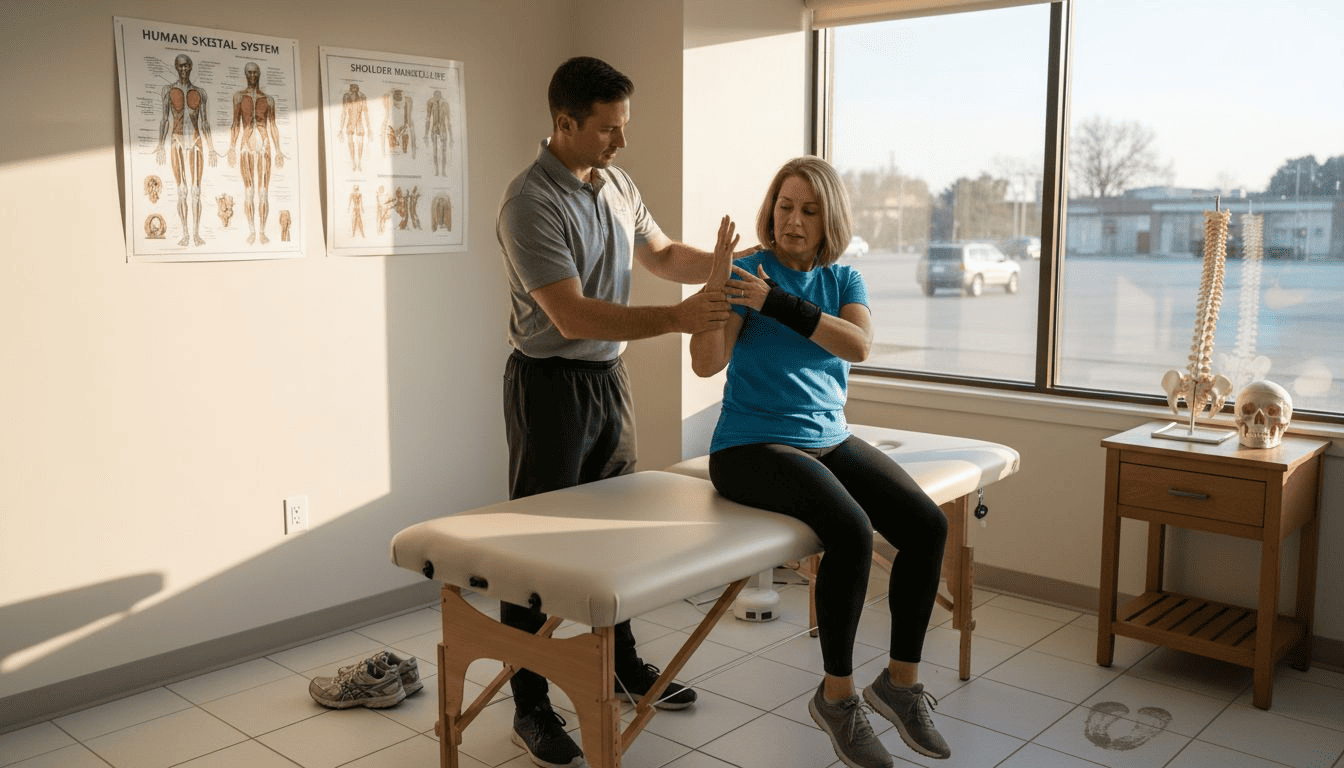
Table of Contents
Key Takeaways
| Point | Details |
|---|---|
| Chiropractic Care for Rehabilitation | Chiropractic treatment focuses on diagnosing and treating musculoskeletal injuries, promoting natural healing through spinal manipulation and targeted therapies. |
| Personalized Treatment Plans | Each rehabilitation plan is tailored to the individual’s specific injury, lifestyle, and functional goals, ensuring optimal recovery and prevention of re-injury. |
| Progressive Approach | Early stages emphasize pain reduction and mobility restoration, transitioning to strength-building exercises as recovery progresses, ensuring measurable improvements. |
| Integration with Other Treatments | Chiropractic care can complement other therapies, such as physical therapy or medication, allowing for a comprehensive rehabilitation strategy based on patient needs. |
Chiropractic Care in Injury Rehabilitation Explained
When you’re recovering from a sports injury, whether that’s a torn rotator cuff from pitching or a strained lower back from lifting, chiropractic care offers a structured pathway back to full mobility. Chiropractic care focuses on diagnosing and treating musculoskeletal disorders through spinal manipulation and manual therapies that restore joint function and reduce pain while activating your body’s natural healing response. Rather than simply masking symptoms with medication, this approach addresses the root cause of your injury, helping you understand why the injury happened and how to prevent it from recurring.
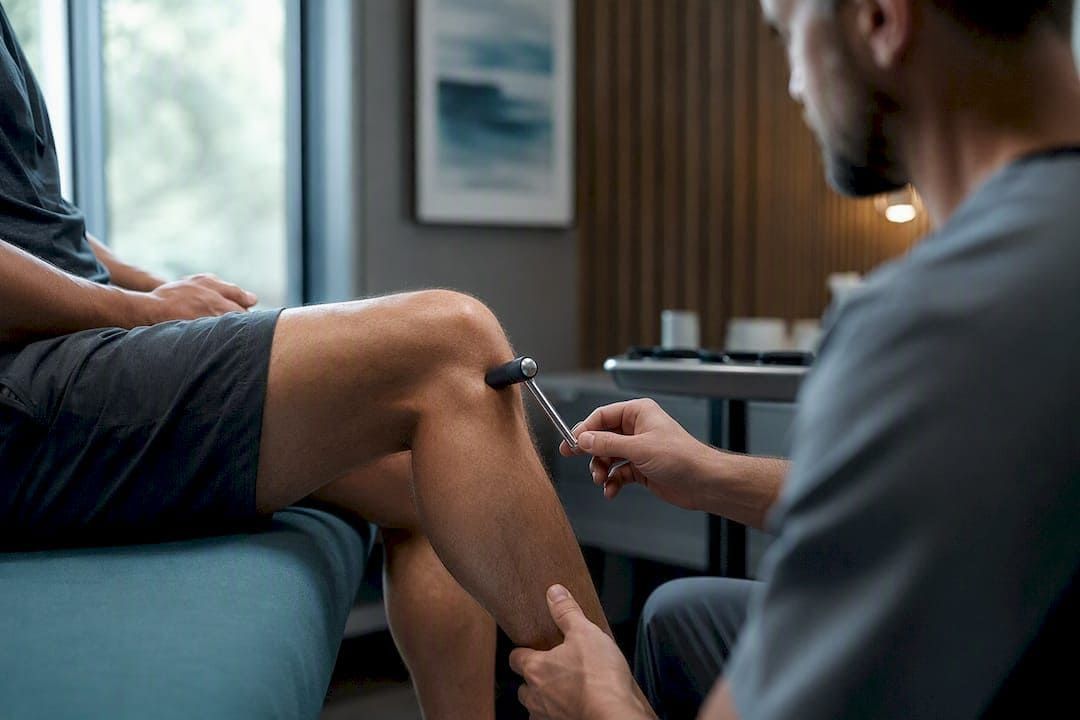
In injury rehabilitation specifically, your chiropractor becomes part detective and part mechanic. They’ll assess how your body compensated for the initial injury, which often creates secondary problems. For example, if you sprained your ankle during a weekend soccer match, your body likely shifted weight to your other leg, which then created tension in your hip and lower back. A comprehensive chiropractic evaluation after an injury identifies these compensation patterns before they become chronic issues. Your treatment plan then combines specific adjustments to restore proper alignment, manual therapy techniques to release muscle tension, and targeted exercises that rebuild strength and stability. The goal isn’t just to get you back in the game—it’s to get you back better and more resilient.
The evidence supporting this approach is solid. Current research demonstrates effectiveness of musculoskeletal disorder treatment through manual therapy and spinal manipulation, particularly for athletes dealing with repetitive strain or acute trauma. For West Central Florida athletes specifically, this matters because our region’s active lifestyle means you’re constantly pushing your body. Whether you’re running on our warm Tampa trails, playing weekend league sports, or training for endurance events, your musculoskeletal system faces real demands. Chiropractic care in a rehabilitation context gives you a competitive edge by not only healing faster but also identifying movement patterns that leave you vulnerable to future injuries.
What sets rehabilitation apart from general chiropractic maintenance is the progression component. Early rehabilitation focuses on pain reduction and restoring basic range of motion. As you improve, treatment advances to include strengthening exercises that prevent re-injury. Your chiropractor tracks measurable progress—increased shoulder rotation, pain reduction during specific movements, improved stability tests—rather than working blindly. This progressive approach means you’re not just feeling better; you’re objectively getting stronger and more resilient.
Pro tip: Bring a detailed account of how your injury happened and how your body felt immediately after to your first appointment—this context helps your chiropractor identify which structures were stressed and anticipate compensation patterns.
Types of Injuries Treated with Chiropractic Approaches
Chiropractic care handles far more than just back pain. If you’re an active person in West Central Florida, you’ve likely experienced one or more of the injuries that chiropractors regularly treat. The scope is actually quite broad, ranging from acute sports injuries to chronic conditions that develop over months of repetitive stress. Chiropractic care addresses a spectrum of musculoskeletal injuries including low back pain, neck pain, tension-type headaches, and cervicogenic headaches, with clinical guidelines strongly supporting spinal manipulative therapy for these conditions. What makes this particularly relevant to you is that these aren’t niche applications—they’re the bread and butter of injury rehabilitation.
Let’s break down the specific injury categories you might encounter:
Spinal and Back Injuries Low back pain reigns as one of the most common reasons people seek chiropractic care, particularly among athletes and those with physically demanding jobs. This includes everything from acute muscle strains (like what happens when you lift wrong during a home renovation) to more complex disc-related issues. Neck pain and whiplash injuries also fall into this category. If you’ve been in a car accident on Interstate 75 or experienced a sports-related collision, neck injuries are serious business, and chiropractic evaluation catches problems early before they become chronic.
Headaches and Cervicogenic Issues Many people don’t realize their headaches originate from neck tension or misalignment. Tension-type headaches and cervicogenic headaches (those caused by neck dysfunction) respond particularly well to chiropractic treatment. Athletes who spend hours at computers or maintain repetitive neck positions during their sport often develop these issues without realizing the connection.
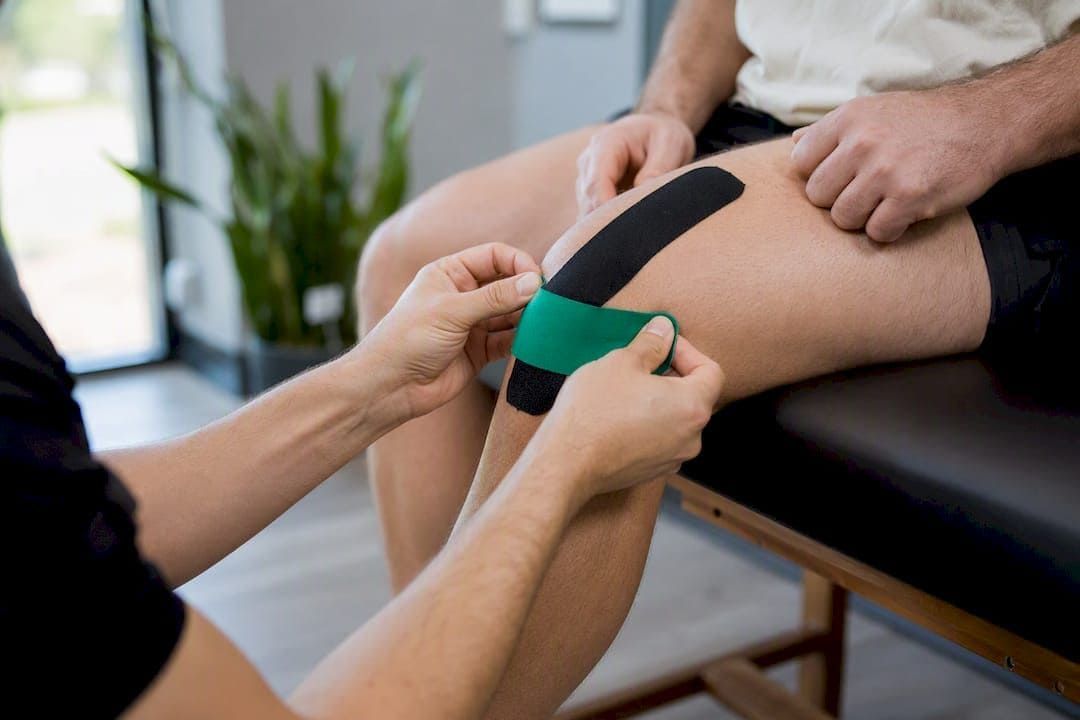
Sports and Soft Tissue Injuries This is where chiropractic shines for active populations. Multidisciplinary injury rehabilitation strategies integrate chiropractic care for soft tissue injuries, joint dysfunctions, and sports-related spinal disorders. Whether you’ve strained a rotator cuff from baseball season, tweaked an ankle during weekend soccer, or developed tennis elbow from repetitive motion, these injuries respond to chiropractic intervention combined with targeted rehabilitation exercises.
Joint Dysfunction and Mobility Issues When joints don’t move properly, compensation patterns develop throughout your body. Your knee injury creates hip problems, which then affects your lower back. Chiropractic care identifies and corrects these dysfunctions before they cascade into bigger problems. This is especially important for runners and athletes who rely on proper joint mechanics for performance and injury prevention.
What you should understand is that severity varies widely. Some injuries require only a few visits and specific adjustments, while others demand a longer rehabilitation timeline with progressive strengthening. A skilled chiropractor evaluates the specific injury, determines what structures are involved, and creates a treatment strategy that progresses as you heal. The goal remains consistent across all these injury types: restore proper function, eliminate pain, and prevent recurrence through corrected movement patterns.
Here’s a quick comparison of common injury categories and how chiropractic care addresses each:
| Injury Category | Typical Symptoms | Chiropractic Role |
|---|---|---|
| Spinal and Back Injuries | Back, neck pain, stiffness | Restore alignment, improve mobility |
| Headaches & Cervicogenic | Neck tension, recurring headaches | Relieve tension, correct dysfunction |
| Sports & Soft Tissue | Swelling, limited movement | Speed healing, reduce inflammation |
| Joint Dysfunction | Restricted joint movement | Correct mechanics, prevent compensation |
Pro tip: Describe your pain using movement—“it hurts when I rotate my neck” or “sharp pain when I bend forward”—rather than just “my back hurts,” as this gives your chiropractor specific information about which structures are involved.
How Chiropractic Treatments Aid Recovery
When you’re injured, your body initiates a complex healing response that requires proper alignment and movement to work effectively. Chiropractic treatments accelerate this process by addressing the mechanical and neurological aspects of recovery simultaneously. Spinal manipulation and manual therapy restore joint mobility, improve muscle function, and reduce inflammation and pain while reestablishing proper biomechanics that your body needs to heal. This isn’t just about feeling better in the moment—it’s about creating the right conditions for your tissues to repair themselves completely.
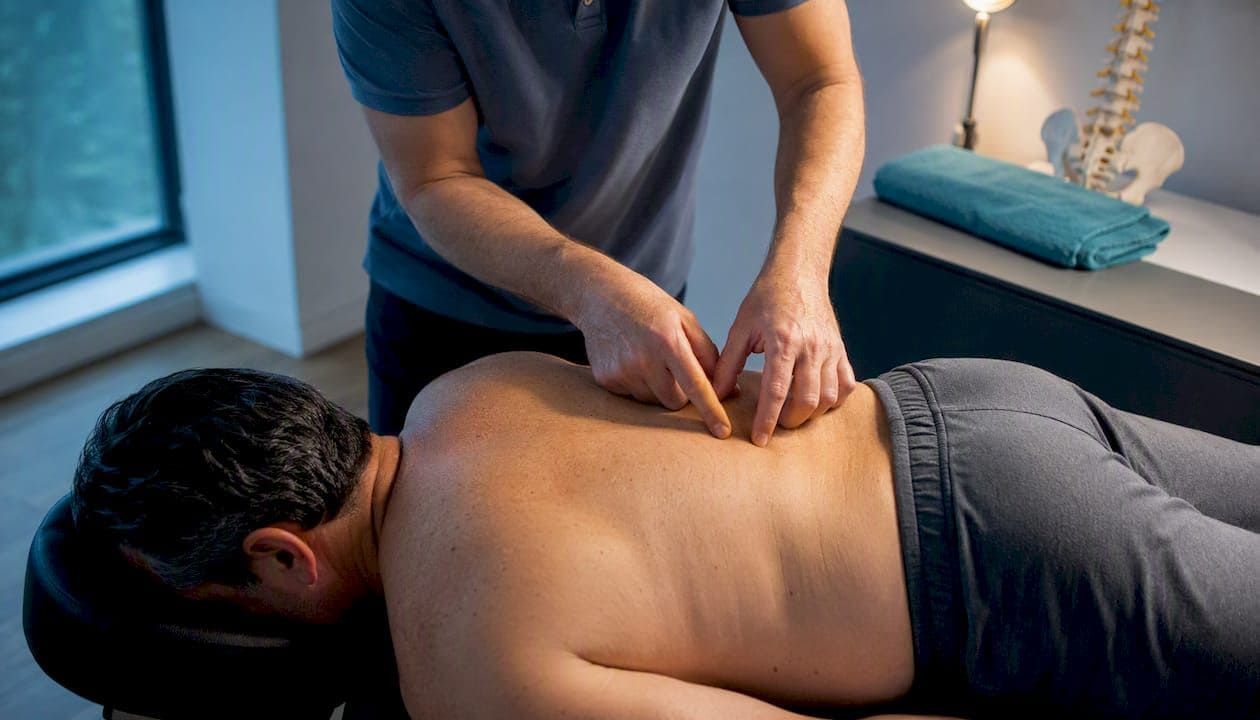
The mechanics of recovery work on multiple levels. When you suffer a sports injury or accident, tissues become damaged, but more importantly, surrounding structures often become restricted or misaligned as your body protects the injury. This protective response, while initially helpful, can prevent proper healing if it persists too long. Your chiropractor uses specific adjustments to restore motion in restricted joints and manual therapy techniques to release muscle tension that’s inhibiting healing. Spinal manipulative therapy reduces pain and improves stability and coordination, which are fundamental to functional recovery. For an athlete in West Central Florida, this means getting back to your sport not just pain-free, but with better movement control and coordination than before the injury.
What makes chiropractic particularly effective in injury recovery is the neurological component. Beyond the mechanical restoration of joint function, chiropractic adjustments contribute neurophysiological effects that facilitate the body’s natural healing processes. Your nervous system directly influences how quickly tissues repair and how effectively you regain function. When vertebrae are misaligned, they interfere with nerve signals that coordinate muscle activation and healing responses. Correcting these misalignments removes that interference, allowing your nervous system to direct healing resources more effectively. This explains why some patients recover faster than expected and why recovery often improves beyond the initial pain relief.
The recovery timeline varies significantly based on injury severity and your individual healing capacity. Acute injuries typically show improvement within the first few weeks of consistent chiropractic care, while chronic conditions or more severe injuries may require months of progressive treatment. Your chiropractor tracks measurable improvements in range of motion, pain reduction, and functional tests rather than relying solely on how you feel. This data-driven approach ensures your recovery is progressing appropriately and adjusts treatment if you’re not improving as expected. Additionally, your chiropractor teaches you specific exercises and movement patterns that continue the healing process at home, making you an active participant in recovery rather than a passive patient receiving treatment.
The Role of Rehabilitation Exercises
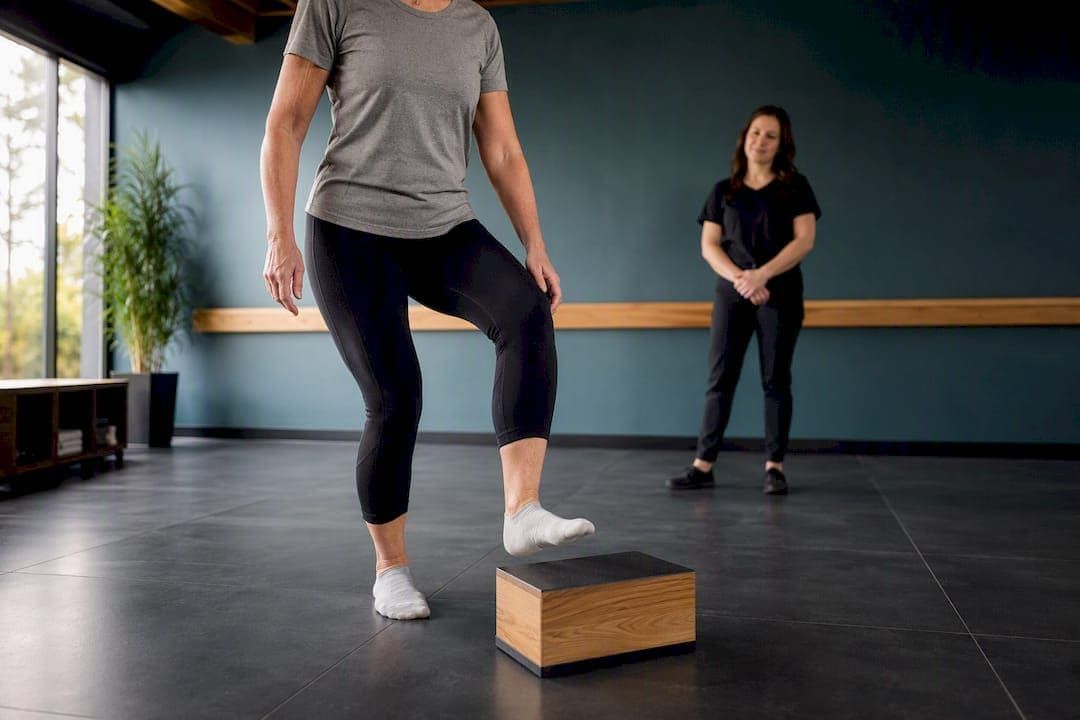
Chiropractic treatments work best when combined with targeted rehabilitation. After adjustments restore proper motion, exercises rebuild strength and stability in muscles that supported the injury. This progressive approach prevents re-injury by ensuring your body can handle the demands you place on it. Whether you’re returning to running, lifting, or competitive sports, this graduated progression of treatment and exercise is what separates lasting recovery from temporary relief.
Pro tip: Ask your chiropractor which movements or positions aggravate your injury, then actively avoid them during your recovery—this protects healing tissues and prevents setbacks that extend your rehabilitation timeline.
Personalized Rehabilitation Plans for Active Lifestyles
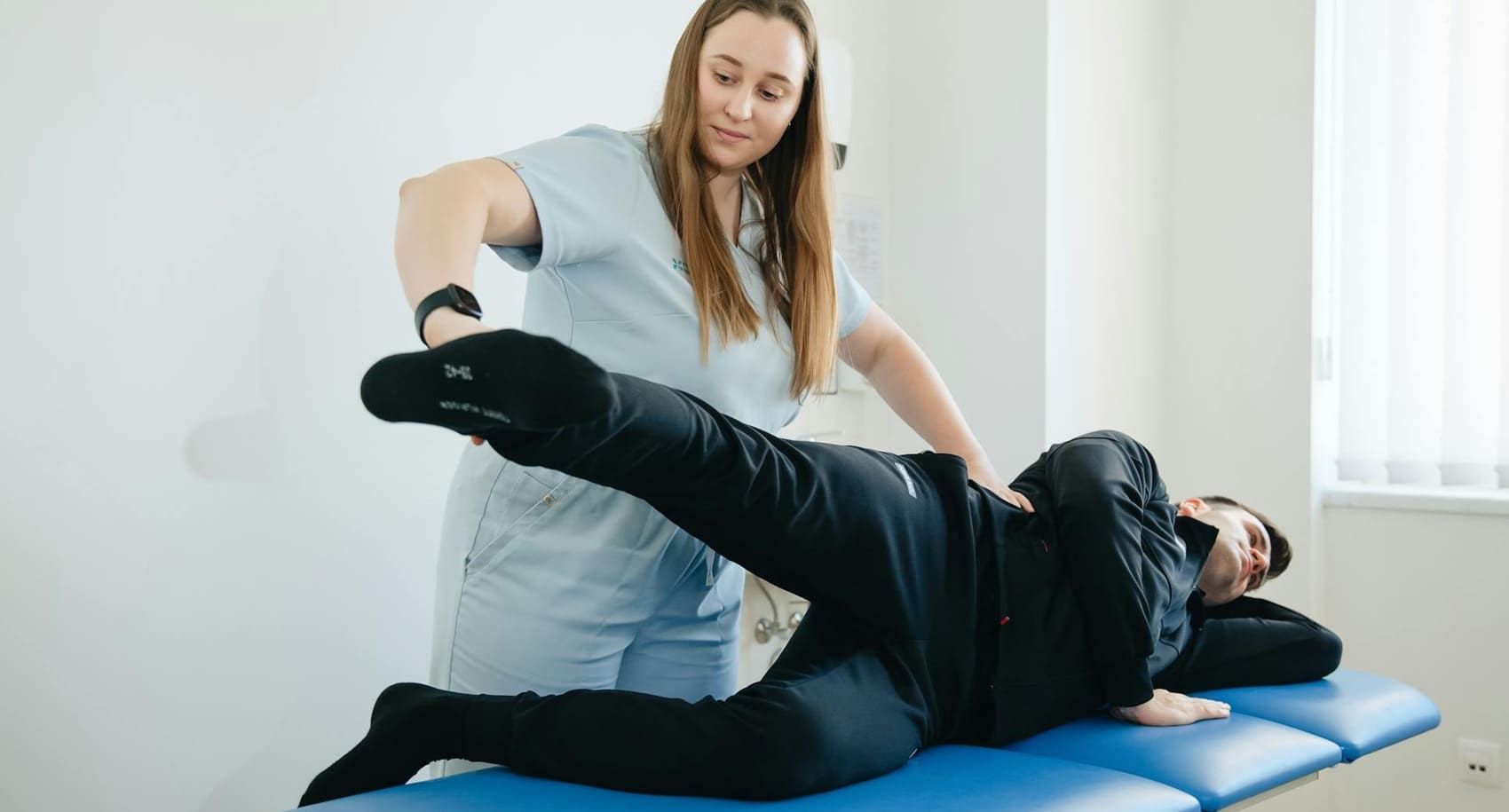
One size fits nobody. This truth becomes crystal clear when you’re trying to return to your active lifestyle after an injury. A marathon runner’s rehabilitation looks nothing like a weekend golfer’s, and a competitive volleyball player’s needs differ from someone who simply wants to move pain-free during daily activities. Personalized rehabilitation plans account for your specific injury, functional goals, and lifestyle demands to accelerate your return to the activities you love. Your chiropractor designs a treatment protocol that makes sense for your life, not for some generic patient category.
Building your personalized plan starts with thorough assessment. Your chiropractor asks detailed questions about your specific activity goals, the demands you place on your body, and what you need to accomplish. Are you training for a specific event? Do you have a physically demanding job alongside your athletic pursuits? What movements cause the most limitation right now? These answers shape every aspect of your rehabilitation. Personalized rehabilitation plans integrate spinal manipulation, exercise, and education tailored specifically to restore mobility and strength for your lifestyle. This targeted approach means you’re not spending time on exercises that don’t matter for your goals, and you’re not working around limitations that could be addressed.
The progression timeline gets customized too. Your chiropractor establishes objective milestones based on your specific situation. If you’re a runner dealing with a calf strain, your milestones might track pain-free walking distance, running tolerance, and specific strength measures in your calf and surrounding muscles. If you’re a construction worker with a lower back injury, your plan focuses on lifting mechanics, core stability, and endurance for standing and bending. Early phases emphasize pain reduction and restoring basic mobility through adjustments and manual therapy. Middle phases introduce targeted strengthening exercises that rebuild capacity in injured tissues. Final phases replicate sport-specific or activity-specific movements to ensure you can handle real-world demands. Your chiropractor adjusts this progression based on how you respond, accelerating when you progress faster than expected or modifying when you need additional time.
The following table highlights key benefits of personalized rehabilitation chiropractic plans:
| Personalization Factor | Patient Benefit | Outcome Impact |
|---|---|---|
| Sport-specific milestones | Faster return to activity | Higher treatment adherence |
| Tailored exercises | Targeted strengthening & recovery | Reduced risk of re-injury |
| Lifestyle integration | Maintains progress during daily life | Sustainable long-term results |
Why Personalization Matters for Adherence
Here’s something research confirms: you’re more likely to stick with treatment when it directly relates to your goals. A generic exercise program might feel pointless when you just want to get back to soccer. A plan that specifically addresses the movements required for your sport creates obvious relevance and motivation. You understand exactly why you’re doing each exercise and how it moves you closer to returning to play. This alignment between treatment and personal goals dramatically improves adherence, which directly impacts outcomes.
Your personalized plan also accounts for your life logistics. If you travel frequently for work, your plan includes portable exercises you can do anywhere. If you have limited time, your chiropractor prioritizes the highest-impact interventions. If you respond better to certain types of movement, your plan emphasizes those modalities. This practical customization acknowledges real life, not theoretical perfection.
Pro tip: At your first visit, bring a video of yourself performing your sport or main activity at full intensity—this visual reference helps your chiropractor identify movement patterns that contributed to your injury and design interventions that address the root cause.
Risks, Limitations, and Alternative Options
Like any healthcare intervention, chiropractic care comes with considerations you should understand before beginning treatment. Being informed helps you make decisions that align with your health situation and comfort level. Chiropractic care is generally safe , but knowing the full picture allows you to engage in shared decision-making with your chiropractor and understand what to expect during your recovery journey. This transparency builds trust and ensures you’re choosing the right approach for your specific circumstances.
The most common side effects are mild and temporary. After an adjustment, some patients experience soreness or stiffness similar to what you might feel after starting a new exercise program. These effects typically resolve within 24 to 48 hours as your body adapts to restored movement patterns. More serious complications are rare, though cervical manipulation carries slightly elevated risk compared to other spinal regions. This is why your chiropractor takes a thorough health history and performs appropriate testing before treating your neck. If you have certain medical conditions like severe osteoporosis, advanced arthritis, or specific neurological disorders, your chiropractor may recommend alternative or complementary approaches rather than manipulation. This isn’t a limitation of chiropractic so much as responsible clinical practice that prioritizes your safety.
One legitimate limitation of current chiropractic practice involves standardization and long-term research. While evidence supports effectiveness for many conditions, the field would benefit from more consistent protocols and longer-term studies examining safety and outcomes over months and years rather than weeks. Your chiropractor should be transparent about this and willing to discuss what the research does and doesn’t support. They should also monitor your progress objectively and adjust your treatment if you’re not improving as expected. If you’re not seeing measurable improvement within a reasonable timeframe, you deserve honest conversation about whether continuing current treatment makes sense or whether exploring alternatives might be more beneficial.
Understanding Your Options
Chiropractic care doesn’t have to be your only approach. Alternatives and adjuncts include physical therapy, pharmacological management, and interdisciplinary rehabilitation, and the best choice depends on your injury type, health status, and preferences. Many athletes and active people use a combination approach. You might receive chiropractic adjustments and manual therapy from your chiropractor while also working with a physical therapist who emphasizes strength training and movement retraining. Some people benefit from short-term anti-inflammatory medication during the acute phase while simultaneously receiving chiropractic care. Others prefer avoiding medication entirely and relying on hands-on treatment combined with exercise and activity modification.
The key is having honest conversations about what you need and what aligns with your values. Does your injury history include previous unsuccessful treatments? Do you have medical conditions that limit certain options? Are you seeking to avoid medication whenever possible, or are you open to pharmaceutical support alongside chiropractic care? Your answers shape the best path forward. A skilled chiropractor recognizes when their approach alone won’t achieve your goals and collaborates with other providers or refers you to appropriate specialists rather than insisting chiropractic is the complete answer.
Pro tip: Before starting treatment, ask your chiropractor directly about risks specific to your injury, their experience with similar cases, and what measurable improvements you should expect within your first two to four weeks of care.
Regain Your Strength and Mobility with Expert Chiropractic Care
Recovering from injury can feel overwhelming when pain and limited movement interfere with your everyday life and athletic goals. This article highlights how chiropractic care goes beyond temporary relief by addressing the root causes of musculoskeletal injuries through spinal adjustments, manual therapy, and personalized rehabilitation exercises. If you are seeking to restore proper joint function, reduce pain, and build resilience for your active lifestyle in West Central Florida, understanding these holistic approaches is the first step toward lasting wellness.
Take control of your recovery journey today by partnering with the experienced doctors at Essential ChiroCare. Our team specializes in creating customized treatment plans that integrate comprehensive chiropractic adjustment, injury-specific rehabilitation, and wellness education tailored to your unique needs—whether you are recovering from sports injuries, auto accidents, or chronic conditions. Don’t wait for pain or dysfunction to become a permanent setback visit Essential ChiroCare now to schedule your appointment and start moving better with confidence. Learn more about how our personalized rehabilitation plans can help you return stronger and prevent future injuries.
Frequently Asked Questions
What types of injuries can chiropractic care help with during rehabilitation?
Chiropractic care can assist with various injuries, including spinal and back injuries, headaches, sports injuries, soft tissue injuries, and joint dysfunctions. It focuses on restoring function and mobility while addressing pain and preventing recurrence.
How does chiropractic treatment support the healing process after an injury?
Chiropractic treatment supports healing by restoring joint mobility, improving muscle function, reducing inflammation and pain, and facilitating proper biomechanical alignment. This comprehensive approach enhances the body’s natural healing response.
What should I expect during my first chiropractic evaluation for injury rehabilitation?
During your first evaluation, the chiropractor will perform a thorough assessment, including a history of your injury, a physical exam, and possibly specific tests to identify movement patterns. This helps in creating a personalized rehabilitation plan tailored to your needs.
How does a personalized rehabilitation plan benefit my recovery?
A personalized rehabilitation plan is tailored to your specific injury, activity goals, and lifestyle demands. This targeted approach improves adherence to treatment, ensures focus on meaningful exercises, and ultimately accelerates your return to the activities you enjoy.
Recommended