

Why Posture Matters for Your Health and Longevity

Essential ChiroCare Blogger • June 25, 2026

Why Posture Matters for Your Health and Longevity

TL;DR:

  • Posture influences not only appearance but significantly impacts spine, nervous system, and overall health. Poor alignment increases risks of chronic pain, neurological impairment, and even elevates mortality risk by 84 percent. Improving posture through gradual strengthening, ergonomic adjustments, and professional care can enhance longevity, breathing, digestion, and sleep quality.

Posture is defined as the position in which your body holds itself against gravity, and it directly determines how well your spine, muscles, and organs function every day. Most adults treat posture as a cosmetic concern, but the clinical term is postural alignment , and its effects reach far beyond how you look standing in a mirror. Poor alignment compresses the rib cage, strains the nervous system, and, according to the American Chiropractic Association, contributes to chronic pain and spinal degeneration in the majority of adults. A 2026 study found that postural instability associates with an 84% higher mortality risk. That number reframes posture from a lifestyle preference into a genuine health priority.

why is posture important for health

Why posture matters more than most people realize

Good posture does far more than prevent a sore back. When your spine sits in proper alignment, your core and postural muscles share the load of holding you upright, reducing fatigue and protecting joints from uneven wear. Physical therapist Paul Fath, cited in The Zoe Report , emphasizes posture as a primary tool for optimizing function and reducing musculoskeletal dysfunction across all age groups. That perspective shifts posture from a passive habit into an active health strategy.

The benefits of good posture span multiple body systems:

  • Reduced muscle fatigue. Aligned posture distributes mechanical stress evenly, so no single muscle group overworks. This directly lowers the risk of repetitive strain injuries.
  • Improved lung capacity. An upright spine allows the rib cage to expand fully. Slouching compresses the diaphragm and reduces the volume of air you can take in with each breath.
  • Better balance and injury prevention. Proper posture and body alignment keep your center of gravity stable, which reduces fall risk and supports athletic performance.
  • Neurological protection. Research published by the American Chiropractic Association links sustained postural decline to measurable neurological impairment over time.

"Postural instability is not just a physical inconvenience. It is a measurable predictor of long-term health outcomes, including mortality risk." — American Chiropractic Association, 2026

The longevity connection is the most striking finding in recent research. Adults who cannot hold a single-leg stance for 10 seconds face an 84% higher mortality risk compared to those who can. That single test captures balance, neuromuscular coordination, and postural control simultaneously. It means improving your posture today is an investment in how long and how well you live.

How does poor posture affect the body beyond back pain?

Most people connect poor posture to back pain and stop there. The systemic effects go much further, and they are largely invisible until they become serious.

  1. Breathing restriction. Rounded shoulders and a forward head position compress the rib cage and limit diaphragm movement. Nearly 75% of the population does not know that poor posture reduces lung capacity. Reduced oxygen intake affects energy levels, cognitive clarity, and cardiovascular efficiency.
  2. Digestive disruption. Chronic slouching compresses the abdominal cavity, slowing gut motility and contributing to acid reflux and bloating. The vagus nerve, which runs from the brainstem through the neck and torso, is particularly sensitive to postural compression.
  3. Nervous system dysregulation. Poor posture elevates baseline muscle tone throughout the day. By evening, the nervous system struggles to down-regulate, which disrupts deep sleep by preventing the muscular relaxation needed for restorative rest. Chronic sleep disruption then feeds back into muscle tension, creating a cycle that is hard to break without addressing the root cause.
  4. Chronic muscle tension and headaches. Forward head posture adds roughly 10 pounds of effective load to the cervical spine for every inch the head moves forward. That sustained tension triggers tension headaches and upper back pain that most people treat symptomatically rather than structurally.

The awareness gap is significant. Only one in three people recognize that poor posture affects breathing, digestion, and nervous system function. That gap explains why so many adults manage symptoms with pain relievers and sleep aids while the underlying postural problem continues to worsen. Understanding how stress affects the spine adds another layer, since psychological stress compounds muscular tension and reinforces poor postural habits.

What causes postural problems in modern adults?

Modern life creates the conditions for postural breakdown almost by design. Prolonged sitting, screen use, and sedentary routines are the primary structural contributors, but the picture is more specific than that.

Postural Problem Primary Cause Common Symptom
Forward head posture Prolonged phone and screen use Neck pain, tension headaches
Thoracic kyphosis Extended desk sitting, weak upper back Rounded shoulders, mid-back ache
Anterior pelvic tilt Tight hip flexors from sitting Lower back pain, poor core activation
Lumbar flattening Prolonged standing on hard surfaces Lower back stiffness, hip discomfort

81% of young adults exhibit significant postural distortion patterns linked to chronic pain and spinal degeneration. That figure is striking because it means postural dysfunction is not a problem that develops only in older adults. It starts early, often in adolescence, and compounds over decades without intervention.

Footwear and sitting habits also play a measurable role. High heels and crossing legs cause spinal misalignment and postural imbalance that accumulate into chronic pain patterns. These are daily choices that most people make without connecting them to their back or neck symptoms. Poor ergonomic setups at workstations amplify the problem, particularly when monitor height forces the neck into sustained flexion or extension.

Pro Tip: Set a phone alarm every 45 minutes during your workday. When it goes off, stand, roll your shoulders back, and take three deep breaths with your chest fully expanded. This single habit interrupts the postural compression cycle before it locks in.

Psychological contributors matter too. Anxiety and low mood are associated with collapsed chest posture and forward head carriage. The relationship runs both ways: poor posture reinforces low mood, and low mood reinforces poor posture. Addressing the physical side of the equation often produces noticeable improvements in energy and mental clarity, which motivates continued effort.

How can you improve your posture effectively and sustainably?

Posture correction works best as a gradual process, not an overnight overhaul. Abruptly forcing your body into a new position after years of compensation creates acute pain because the muscles and connective tissue have adapted to the old pattern. Verywell Health recommends starting with 10 to 15 minute sessions of corrected posture and building duration over weeks. That approach lets the neuromuscular system adapt without triggering protective spasm.

The most effective strategies combine strengthening, stretching, and environmental adjustment:

  • Strengthen the core and posterior chain. Weak deep abdominals and glutes are the most common structural contributors to poor posture. Exercises like dead bugs, bird dogs, and hip hinges build the foundation that holds alignment without conscious effort.
  • Use Pilates or yoga for alignment training. Both disciplines are highly effective for posture correction because they emphasize muscle control and spinal awareness simultaneously. Complete Pilates, for example, structures its programs specifically around postural retraining for adults with chronic tension patterns.
  • Adjust your workstation ergonomics. Proper chair support and monitor height are the two most impactful ergonomic changes for desk workers. Your monitor should sit at eye level, and your chair should support the natural lumbar curve without pushing you into a slump.
  • Stretch the hip flexors and chest daily. These two muscle groups shorten fastest in sedentary adults and pull the spine out of neutral alignment. A 60-second kneeling hip flexor stretch and a doorframe chest opener each morning counteract hours of sitting compression.
  • Wear supportive footwear. Flat, supportive shoes that allow natural foot mechanics reduce the compensatory patterns that travel up the kinetic chain into the hips and spine.

Pro Tip: Place a small rolled towel or lumbar support behind your lower back when driving or sitting for extended periods. It maintains the natural lumbar curve passively, reducing the muscular effort required to stay upright.

For those dealing with existing pain, home exercises that complement chiropractic care accelerate recovery and help maintain the corrections made during professional treatment. Posture improvement is not a solo project for most adults with established dysfunction. It requires a combination of self-directed habits and professional assessment to identify which specific distortions are present and which muscles are compensating.

does posture affect longevity

Key takeaways

Good posture is a measurable health marker that affects breathing, sleep, neurological function, and longevity, not just how your back feels.

Point Details
Posture predicts longevity Adults with postural instability face an 84% higher mortality risk, making alignment a critical health metric.
Systemic effects are underestimated Poor posture restricts breathing, disrupts digestion, and prevents deep sleep, not just back pain.
Modern habits accelerate decline Screen use, prolonged sitting, and poor footwear drive postural distortion in 81% of young adults.
Gradual correction is safer Start with 10 to 15 minute posture sessions and build slowly to avoid triggering compensatory pain.
Strengthening beats stretching alone Core and posterior chain exercises create lasting alignment; stretching alone does not hold corrections.

What I've learned about posture that most articles get wrong

Most posture content focuses on reminders to sit up straight, as if awareness alone produces change. In my experience working alongside chiropractic and rehabilitation professionals, the awareness piece is the smallest part of the problem. The real barrier is that most adults have no idea which muscles are weak, which are overactive, and what their specific distortion pattern actually looks like. They try to correct posture by pulling their shoulders back, which often just creates a new compensation pattern in the mid-back.

The other mistake I see constantly is treating posture as a static goal rather than a dynamic skill. Good posture is not a fixed position you hold. It is the ability to move through a full range of positions without losing spinal control. That distinction matters because it changes what you train. You do not need to sit perfectly still for eight hours. You need the strength and mobility to return to neutral easily after any position.

I also think the longevity research deserves far more attention than it gets in mainstream wellness content. An 84% increase in mortality risk tied to postural instability is not a minor finding. It belongs in the same conversation as blood pressure, cholesterol, and blood sugar. The fact that a simple single-leg balance test can signal that level of risk means posture assessment should be part of every routine health check, not just a conversation you have when your back hurts.

The most sustainable posture improvements I have seen come from people who combine professional assessment with consistent daily habits, not from those who rely on either alone. A chiropractor or physical therapist can identify the root cause. The daily habits are what make the correction stick.

How Essentialchirocare can help you correct your posture

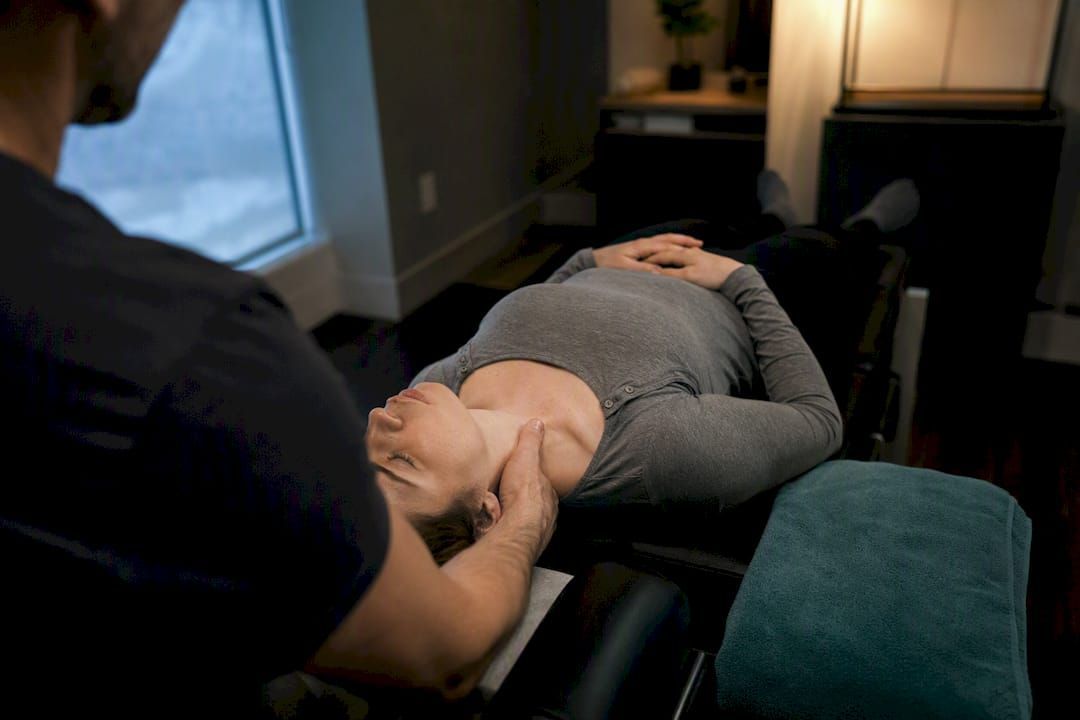
Essentialchirocare provides chiropractic care and physical rehabilitation services across Tampa, Brandon, Sarasota, Lakeland, and Pinellas Park, specifically designed to address the root causes of postural dysfunction. Chiropractic adjustments restore proper spinal alignment, reduce nerve interference, and relieve the muscle tension that poor posture creates over time. The clinic's physical rehab services include targeted strengthening and postural retraining programs that build the muscular foundation needed to hold corrections long-term. If you are dealing with chronic pain, tension headaches, or simply want to protect your health as you age, Essentialchirocare's experienced doctors can assess your specific postural pattern and build a personalized plan around it. Schedule online at any of their West Central Florida locations.

FAQ

  • What is the main reason why posture matters for health?

    Posture directly affects spinal alignment, breathing capacity, nervous system function, and long-term neurological health. Research links postural instability to an 84% higher mortality risk, making it a critical marker of overall wellness.

  • How does poor posture affect breathing?

    Rounded shoulders and forward head position compress the rib cage and restrict diaphragm movement, reducing lung capacity. Nearly 75% of the population is unaware that poor posture has this direct effect on breathing.

  • Can poor posture be corrected in adults?

    Yes, but correction requires a gradual approach. Starting with 10 to 15 minute sessions of corrected posture and progressively building duration allows the neuromuscular system to adapt without causing compensatory pain.

  • What exercises help improve posture the most?

    Core strengthening exercises like dead bugs and bird dogs, combined with Pilates or yoga for alignment training, produce the most lasting postural improvements. Stretching the hip flexors and chest daily also addresses the two muscle groups that shorten fastest from sedentary habits.

  • How does posture affect sleep quality?

    Poor posture elevates baseline muscle tone throughout the day, preventing the nervous system from down-regulating at night. This interferes with the deep sleep stages needed for physical recovery and cognitive restoration.

Recommended

how to monitor pain signals
By Essential ChiroCare Blogger June 24, 2026
Discover how to monitor pain signals effectively for better relief. Transform your pain management with practical tools and techniques!
personalized treatment plans
By Essential ChiroCare Blogger June 23, 2026
Discover why personalized treatment plans deliver better pain relief by targeting individual needs, improving outcomes, and enhancing wellness.
common car accident injuries
By Essential ChiroCare Blogger June 22, 2026
Explore the different types of auto injuries, their symptoms, and effective treatment options to ensure a smooth recovery after an accident.
does flexibility prevent injuries
By Essential ChiroCare Blogger June 21, 2026
Discover why flexibility reduces injury and learn how it fits into a comprehensive strategy for safer, more effective movement. Read more!
best sleeping position for hip pain
By Essential ChiroCare Blogger June 20, 2026
Use simple changes to ease soreness, improve rest, and know when to see a hip pain chiropractor in Tampa for extra support at night. Read on!
spine adjustment Lakeland FL
By Essential ChiroCare Blogger June 19, 2026
Learn what to expect from a summer spine adjustment and how a spine adjustment chiropractor in Tampa can help ease tension during Florida’s hottest months.
chiropractor after car accident Tampa
By Essential ChiroCare Blogger June 18, 2026
Lingering soreness after a crash? Know when it's time to see an auto accident chiropractor in Tampa and avoid letting small issues build up.
family chiropractic care Tampa
By Essential ChiroCare Blogger June 17, 2026
Learn how a family chiropractor in Tampa can help support your summer routine by easing tension, improving mobility, and keeping movement smooth.
chronic pain management
By Essential ChiroCare Blogger June 16, 2026
Discover effective long-term pain relief strategies that integrate therapy, lifestyle changes, and support for lasting comfort and function.
acute pain vs chronic pain
By Essential ChiroCare Blogger June 15, 2026
Discover the key difference between acute and chronic pain. Learn how understanding these types can enhance treatment decisions and daily life.
Show More