

What Is Integrative Care? A Whole-Person Health Guide
TL;DR:
- Integrative care combines evidence-based conventional and complementary therapies to address the whole person, not replace standard medicine. It relies on multidisciplinary teams, shared treatment plans, and patient participation to improve health outcomes and quality of life. Effective programs prioritize scientifically supported approaches, clear communication, and root-cause treatment strategies.
Most people assume integrative care is just a fancy term for herbal remedies or unproven treatments outside mainstream medicine. That assumption is wrong, and it costs people real options. What is integrative care, exactly? It is a scientifically grounded approach that combines conventional and complementary therapies to address your physical, emotional, and spiritual health together. Rather than replacing your doctor or dismissing evidence-based medicine, integrative care builds on it, adding therapies and lifestyle strategies that work alongside conventional treatment to produce better outcomes for the whole person.

Table of Contents
- Key takeaways
- What is integrative care, defined clearly
- How integrative care is structured and delivered
- Common integrative therapy options and their evidence base
- Benefits and real challenges of integrative care
- How to find quality integrative care and what to expect
- My perspective on integrative care's real impact
- Experience whole-person care at Essentialchirocare
- FAQ
Key takeaways
| Point | Details |
|---|---|
| Not just alternative medicine | Integrative care combines evidence-based conventional treatment with vetted complementary therapies, not instead of it. |
| Whole-person focus | Physical, emotional, and spiritual health are all addressed together within a single coordinated care model. |
| Team-based delivery | Multidisciplinary providers collaborate on shared treatment plans rather than working in silos. |
| Patient participation matters | Success depends heavily on your commitment to lifestyle changes and active involvement between visits. |
| Evidence standards apply | Quality integrative programs select therapies backed by peer-reviewed research, not just tradition or popularity. |
What is integrative care, defined clearly
The term gets misused constantly, so precision matters here. Integrative medicine prioritizes evidence-informed interventions from both conventional and complementary areas, with the therapeutic relationship at its core. It does not replace surgery, medications, or proven clinical protocols. It adds to them.
Here is how it differs from related terms most people confuse:
- Conventional medicine focuses on diagnosing and treating disease through pharmaceuticals, surgery, and standardized clinical protocols.
- Complementary medicine refers to practices used alongside conventional care, such as acupuncture during cancer treatment.
- Alternative medicine replaces conventional care entirely, which integrative care does not do.
- Integrative care deliberately combines the best of both worlds, selecting complementary approaches that have evidence behind them and coordinating them with conventional treatment.
The concept of "whole-person care" is central to the integrative medicine definition. It means your provider is not just treating your lower back pain or your blood pressure. They are looking at your sleep quality, stress load, nutrition, relationships, and emotional state as factors that directly affect your physical health.
| Approach | Replaces conventional care? | Evidence-based? | Whole-person focus? |
|---|---|---|---|
| Conventional medicine | N/A | Yes | Partial |
| Alternative medicine | Yes | Often no | Varies |
| Complementary medicine | No | Varies | Partial |
| Integrative care | No | Yes | Yes |
The therapeutic relationship is not a soft add-on here. Clinician communication style directly influences patient outcomes , which is why integrative programs invest in training providers to communicate in healing-centered ways, not just in clinical accuracy.
How integrative care is structured and delivered
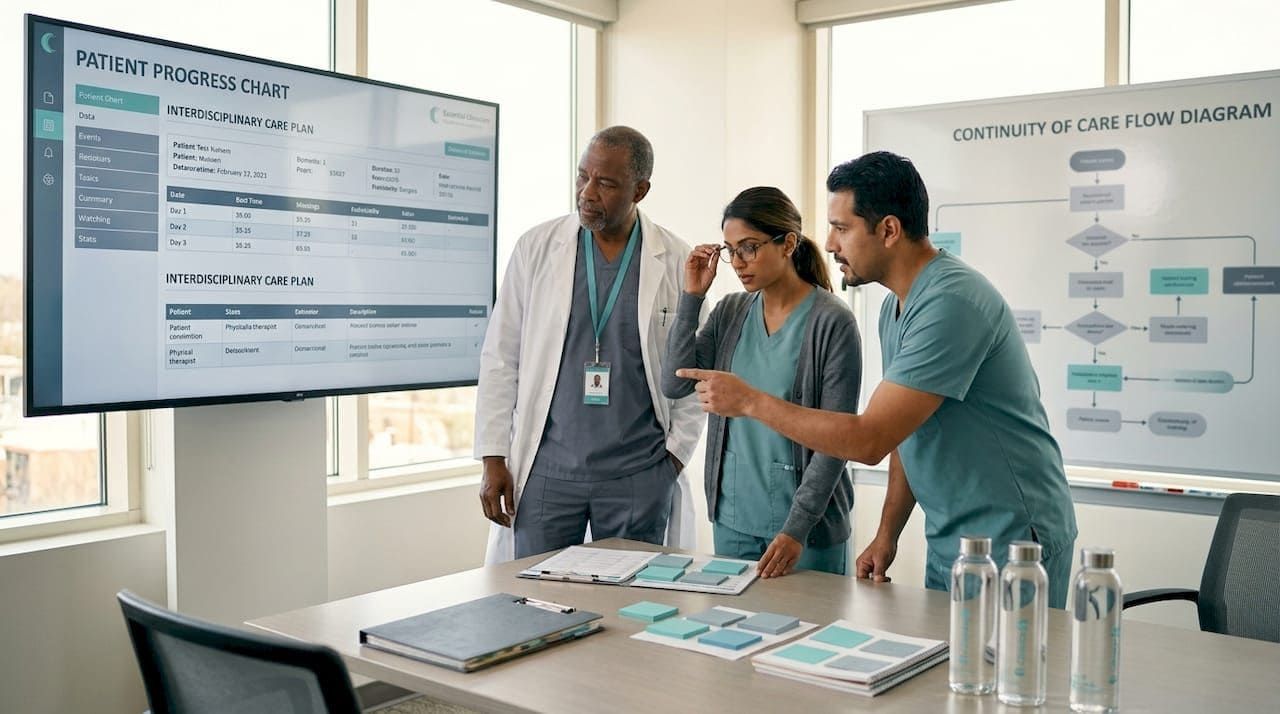
Understanding what integrative care includes means understanding how it actually operates in practice. The model is built around multidisciplinary teams. You might see a primary care physician, a chiropractor, a behavioral health specialist, a physical therapist, and a nutritionist all contributing to one coordinated plan. The key word is coordinated, not just co-located.
Here is how a well-run integrative care model typically unfolds for a new patient:
- Comprehensive intake assessment. Your provider collects information beyond your medical history. Lifestyle habits, work environment, sleep patterns, emotional health, and social support are all part of the picture.
- Shared treatment planning. The multidisciplinary team reviews your assessment together and builds a plan that addresses root causes, not just symptoms. You participate in this process, not just receive it.
- Warm handoffs between providers. When your care involves a mental health specialist or a physical therapist, the transition is deliberate and communicated. Warm handoffs prevent fragmentation of services and keep your care connected rather than siloed.
- Ongoing communication and adjustment. Treatment plans evolve. Providers check in with each other and with you, adjusting based on your progress and response.
Research backs up this structure. Integrative care strengthens continuity of care with a significant effect size when primary care anchors the model. That matters for people managing chronic pain, recovery from injury, or complex conditions that do not respond well to single-provider treatment.
Pro Tip: When evaluating any integrative care program, ask how their providers communicate with each other. If the answer is "patients coordinate their own care," that is not true integrative care. That is just multiple separate appointments.
Common integrative therapy options and their evidence base
This is where the practical picture becomes clearer. The integrative therapy options available today span a wide range, but not all carry the same weight of evidence. Rigorous, peer-reviewed science should guide which therapies get integrated into a care plan. The best programs hold complementary therapies to that standard.
Here are the most commonly used and well-supported integrative therapies:
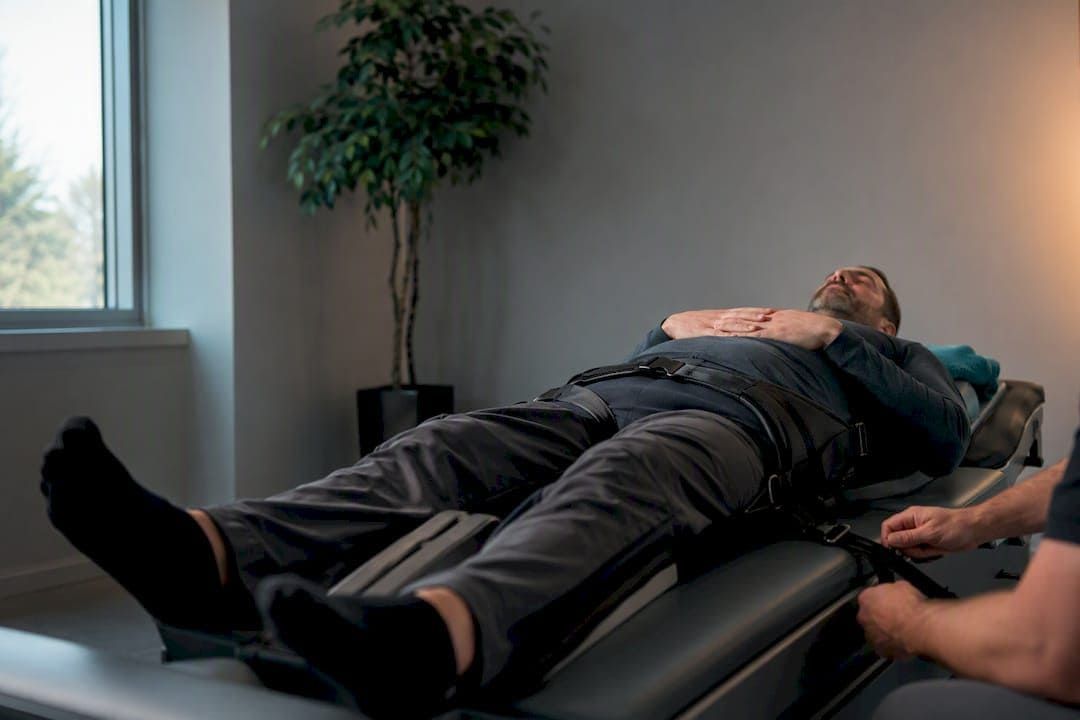
- Chiropractic care. Spinal manipulation and manual therapy are among the most evidence-backed tools for musculoskeletal pain. Chiropractic care fits naturally into integrative models for back pain, joint issues, and recovery from injury. Learning more about evidence-based chiropractic helps clarify why it belongs in this category.
- Acupuncture. Widely studied, particularly for pain management, nausea, and anxiety. Multiple clinical trials support its use for chronic pain and chemotherapy side effects.
- Mind-body practices. Meditation, yoga, guided imagery, and biofeedback all have documented effects on stress hormones, blood pressure, and chronic pain perception.
- Nutrition and lifestyle medicine. Diet, sleep, and movement are not lifestyle suggestions in integrative care. They are clinical interventions with measurable outcomes.
- Physical rehabilitation. Targeted exercise programs, mobility work, and functional restoration are standard in integrative recovery models for acute and chronic conditions. Combining chiropractic with physical rehab services represents exactly this kind of coordinated approach.
- Behavioral health integration. Embedded mental health providers in medical teams improve access, reduce stigma, and normalize behavioral health as part of routine care.
What does integrative care include that most people overlook? The intentional removal of therapies that do not hold up to scrutiny. Reputable integrative centers actively exclude approaches that lack scientific justification, which is a meaningful quality signal.
Pro Tip: Ask any integrative provider what research supports the therapies they recommend. Hesitation or vague answers about "ancient wisdom" without clinical evidence is a red flag.

Benefits and real challenges of integrative care
The benefits of integrative care are well-documented, but they come with honest trade-offs worth understanding before you commit.
On the benefits side, the evidence is substantial:
- Improved continuity of care, particularly when primary care anchors the model
- Higher patient satisfaction due to personalized, relationship-centered treatment
- Better quality of life outcomes for people with chronic conditions or complex diagnoses
- Simultaneous support for physical and mental health, which are deeply interconnected systems
- Practical management of symptoms that conventional care alone addresses incompletely
The transformation in oncology illustrates the stakes clearly. Integrative therapies are now considered essential in cancer care for symptom and anxiety management, stabilizing patients physically and emotionally so they can tolerate life-saving conventional treatments.
"For some patients, integrative care is the thing that makes it possible to complete their conventional treatment at all."
That shift from optional to necessary represents one of the biggest changes in modern clinical thinking.
On the challenge side, integrative care is not passive. Success depends significantly on patient engagement between visits, including commitment to lifestyle changes, nutrition adjustments, and stress management practices. If you are looking for a treatment model where you show up and receive care without changing anything about your daily life, this model will underdeliver.
Coordinating multiple providers also requires deliberate effort from the clinical team. Without shared records, regular communication, and clear accountability, integrative care can fragment into separate appointments that never actually connect.
How to find quality integrative care and what to expect
Once you decide to explore what is holistic care in practice, choosing the right provider makes all the difference. Here is a practical framework:
- Look for true multidisciplinary teams. A provider who occasionally refers out is not an integrative model. Look for practices where providers actively collaborate on shared treatment plans.
- Ask about evidence standards. Quality integrative programs can explain the scientific basis for every therapy they recommend. If they cannot, look elsewhere.
- Expect a comprehensive intake. Your first visit should take time. If a provider skips lifestyle, emotional health, and environment in their assessment, they are not practicing true integrative care.
- Understand your own role. You are a participant in your treatment, not a passenger. Lifestyle changes, follow-through on home exercises, and open communication about what is and is not working are your responsibilities.
- Verify care coordination. Ask how your providers will communicate with each other and with any specialists you already see. The holistic pain relief approach only works when providers are synchronized.
Expect treatment timelines to be longer and more iterative than a single prescription or procedure. Integrative care addresses root causes, and roots take time to address. Most patients see meaningful progress within weeks but find that maintaining gains requires ongoing engagement with the lifestyle components of their plan.
My perspective on integrative care's real impact
I have watched the conversation around integrative care shift dramatically over the past decade, and what strikes me most is not the science catching up. It is the change in what patients are willing to ask for.
People used to apologize for wanting to address their stress alongside their back pain, as if asking for the full picture was somehow demanding too much. What I have seen is that the patients who push for that full picture, who insist on knowing why their body is doing what it is doing and what every layer of their treatment is supposed to accomplish, those are the patients who get better and stay better.
The difference between integrative care and just receiving multiple therapies is not the number of providers on your team. It is whether those providers are actually talking to each other and building on each other's work. I have seen well-intentioned treatment plans fall apart because a chiropractor and a physical therapist never compared notes. I have also seen chronic conditions resolve faster than anyone expected when the coordination was tight.
My honest take: integrative care is not a gentler version of medicine for people who distrust doctors. It is a more demanding version for people who want more from their health. The standard is higher, not lower. And the patients who thrive in it are the ones who come prepared to be active participants, not just recipients.
The future of this model is not integrative care as a specialty. It is integrative care as the default standard, where every provider assumes the whole person is relevant, not just the part that hurts.
Experience whole-person care at Essentialchirocare
At Essentialchirocare, the approach to patient care is built on exactly the principles that define quality integrative care: multidisciplinary collaboration, thorough assessment, and treatment plans that address root causes rather than surface symptoms. With experienced chiropractors working alongside physical rehabilitation specialists across West Central Florida, including Tampa, Brandon, Sarasota, Lakeland, and Pinellas Park, Essentialchirocare offers coordinated care for chronic pain, sports injuries, auto injury recovery, and preventative wellness.
If you are ready to move beyond managing symptoms and start addressing the full picture, explore expert chiropractic care at Essentialchirocare and request a personalized treatment plan today.
FAQ
What is integrative care in simple terms?
Integrative care combines evidence-based conventional medicine with complementary therapies to treat the whole person, addressing physical, emotional, and lifestyle factors together rather than focusing only on a single diagnosis or symptom.
How does integrative care differ from alternative medicine?
Alternative medicine replaces conventional treatment, while integrative care adds complementary therapies to it. Integrative care always maintains evidence-based standards and does not abandon proven clinical protocols.
What does integrative care include for chronic pain?
Integrative care for chronic pain typically includes chiropractic treatment, physical rehabilitation, mind-body practices, nutritional guidance, and behavioral health support, all coordinated within a shared treatment plan targeting the root cause of pain.
Is integrative care evidence-based?
Yes, quality integrative care programs select therapies backed by peer-reviewed research. Reputable centers actively avoid unproven approaches and can explain the scientific rationale behind every recommendation they make.
How do I know if a provider truly offers integrative care?
Ask whether your providers communicate directly with each other, how your care is coordinated, and what evidence supports each therapy in your plan. True integrative care features shared treatment planning and deliberate coordination, not just multiple separate referrals.