

How to Treat Auto Injuries Naturally: Step-by-Step Recovery
Whiplash, back pain, and lingering joint issues are among the top reasons American drivers seek help after a vehicle accident in West Central Florida. Early research shows that over eighty percent of accident injuries may involve hidden soft tissue damage that is not immediately obvious. The choices you make right after an accident can shape your recovery and long term comfort. This guide breaks down essential steps to help you recognize symptoms, collect thorough documentation, and partner with a chiropractor for a personalized treatment plan.

Table of Contents
Quick Summary
| Key Point | Explanation |
|---|---|
| 1. Evaluate Symptoms Carefully | Check for pain and mobility issues, focusing on neck, back, and head regions after an accident. |
| 2. Seek Chiropractic Consultation | Find a specialist experienced in auto injuries for a comprehensive examination and targeted treatment. |
| 3. Develop a Personalized Treatment Plan | Collaborate with your chiropractor to create a flexible plan that addresses your specific recovery needs. |
| 4. Engage in Rehabilitation Exercises | Perform prescribed exercises to improve strength and flexibility, essential for recovery progress. |
| 5. Monitor Progress Regularly | Keep track of healing and communicate changes with your chiropractor to adjust the treatment plan effectively. |
Step 1: Evaluate Symptoms and Injury Severity
After a vehicle accident, understanding your symptoms becomes critical for proper recovery. Medical research reveals that initial injury assessment cannot rely solely on visible vehicle damage, as many soft tissue injuries like whiplash might remain hidden.
Begin by systematically checking your body for pain, stiffness, and mobility limitations. Detailed clinical symptom analysis suggests documenting the following key indicators: precise pain location, pain intensity on a 1-10 scale, duration of discomfort, and any radiating sensations. Pay special attention to neck, back, shoulders, and head regions where injuries frequently occur. Note whether pain increases with specific movements or remains constant.
Document your observations carefully, including timestamp and specific details. Crash injury research networks recommend comprehensive documentation to help healthcare professionals accurately assess your condition. If you experience sharp pain, numbness, restricted movement, or persistent headaches, seek immediate medical evaluation.
Professional Advice : Take photos of visible injuries and keep a detailed symptom journal to provide your chiropractor with comprehensive information about your post accident condition.
Here’s how common post-accident symptoms relate to injury types and recommended next steps:
| Symptom | Possible Injury | Suggested Action |
|---|---|---|
| Neck stiffness | Whiplash | Document and seek care |
| Persistent headaches | Concussion or strain | Immediate medical evaluation |
| Numbness in limbs | Nerve impingement | Consult specialist |
| Lower back pain | Soft tissue damage | Start symptom journal |
| Pain with movement | Musculoskeletal trauma | Musculoskeletal trauma |
Step 2: Consult with a Chiropractic Specialist
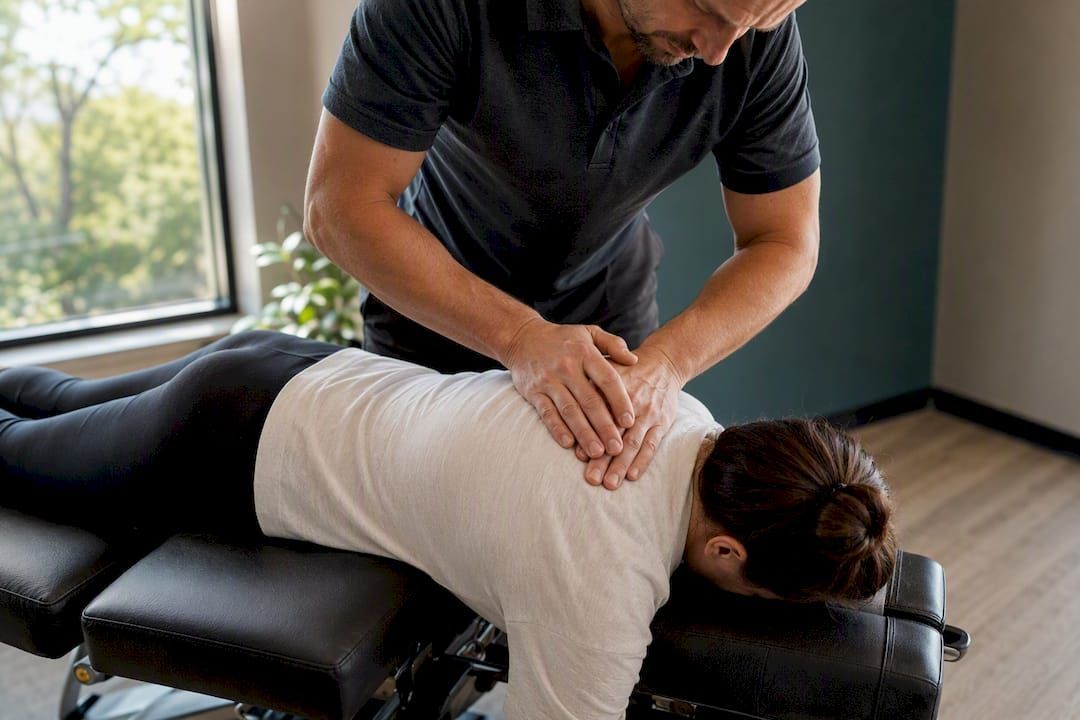
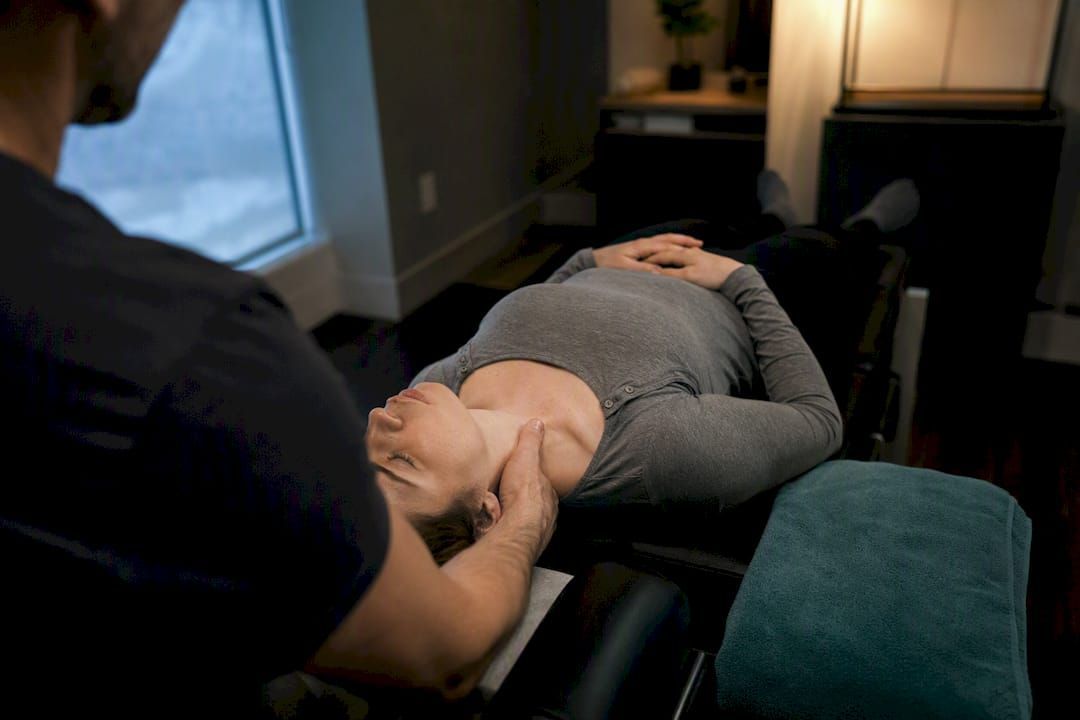
Scheduling a professional consultation is your crucial next step in recovering from auto accident injuries. Chiropractic specialists provide targeted care that addresses the root cause of your pain rather than simply masking symptoms with medication.
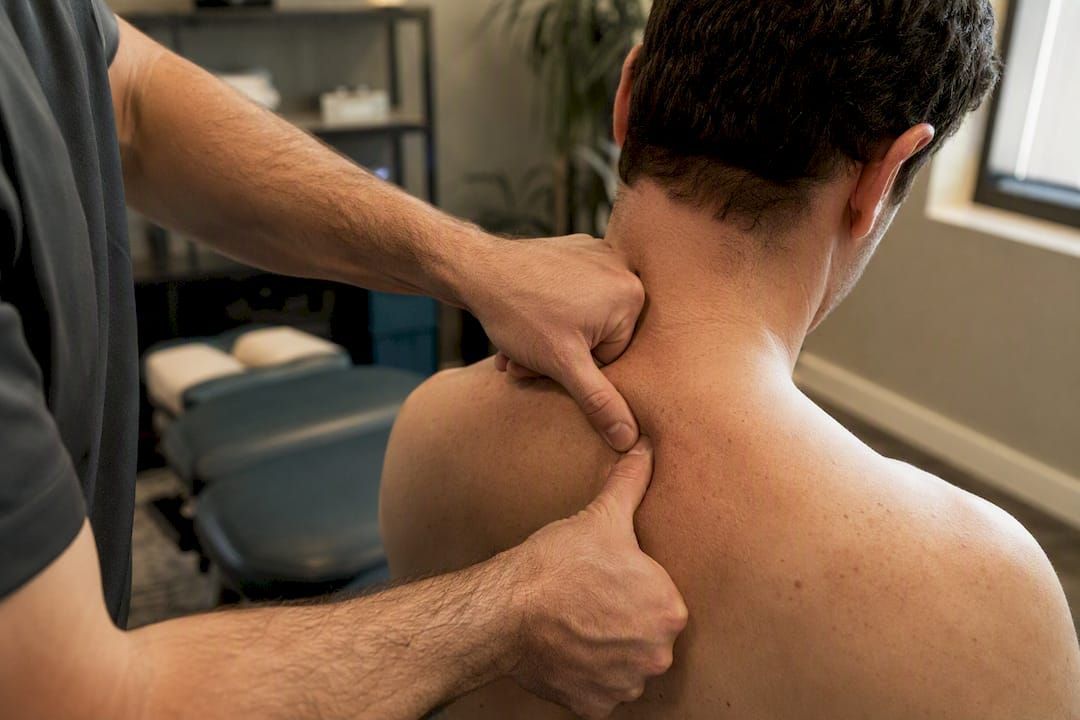
When selecting a chiropractic professional, look for someone experienced in auto accident injury treatment. During your initial consultation, expect a comprehensive examination that will likely include a detailed medical history review, physical assessment, range of motion tests, and potential diagnostic imaging like X rays or MRI scans. The chiropractor will systematically evaluate your musculoskeletal system to identify specific trauma areas and develop a personalized treatment strategy.
Bring all relevant documentation to your first appointment, including accident reports, initial medical evaluations, insurance information, and a detailed symptom journal. This will help your chiropractor understand the full context of your injury and design the most effective recovery approach. Be prepared to discuss the accident circumstances, your current pain levels, and any previous medical treatments you have received.
Professional Advice : Request a written treatment plan that outlines expected recovery milestones and anticipated number of sessions to set clear expectations for your healing journey.
Step 3: Create a Personalized Treatment Plan
Developing a targeted treatment strategy is essential for your successful recovery from auto accident injuries. Your chiropractor will work closely with you to design a comprehensive plan that addresses your specific physical needs and healing goals.
The process begins with patient-centered treatment approaches that consider your unique injury profile, lifestyle constraints, and personal health history. Your chiropractor will conduct a thorough assessment to identify precise treatment modalities, which might include spinal adjustments, targeted rehabilitative exercises, soft tissue therapy, and potential complementary treatments. The goal is to create a dynamic plan that adapts as your body responds and heals.
Expect your treatment plan to include specific milestones and regular progress evaluations. This approach allows your healthcare provider to modify techniques and intensity based on your body’s healing response. Collaborative decision making is key, so actively participate in discussions about your treatment goals, potential challenges, and expected outcomes. The more engaged you are in understanding your personalized recovery roadmap, the more effectively you can support your own healing process.
Professional Advice : Request a written breakdown of your treatment plan with specific goals, expected session frequencies, and potential alternative approaches to maintain transparency and alignment with your recovery expectations.
Step 4: Engage in Targeted Rehabilitation Exercises
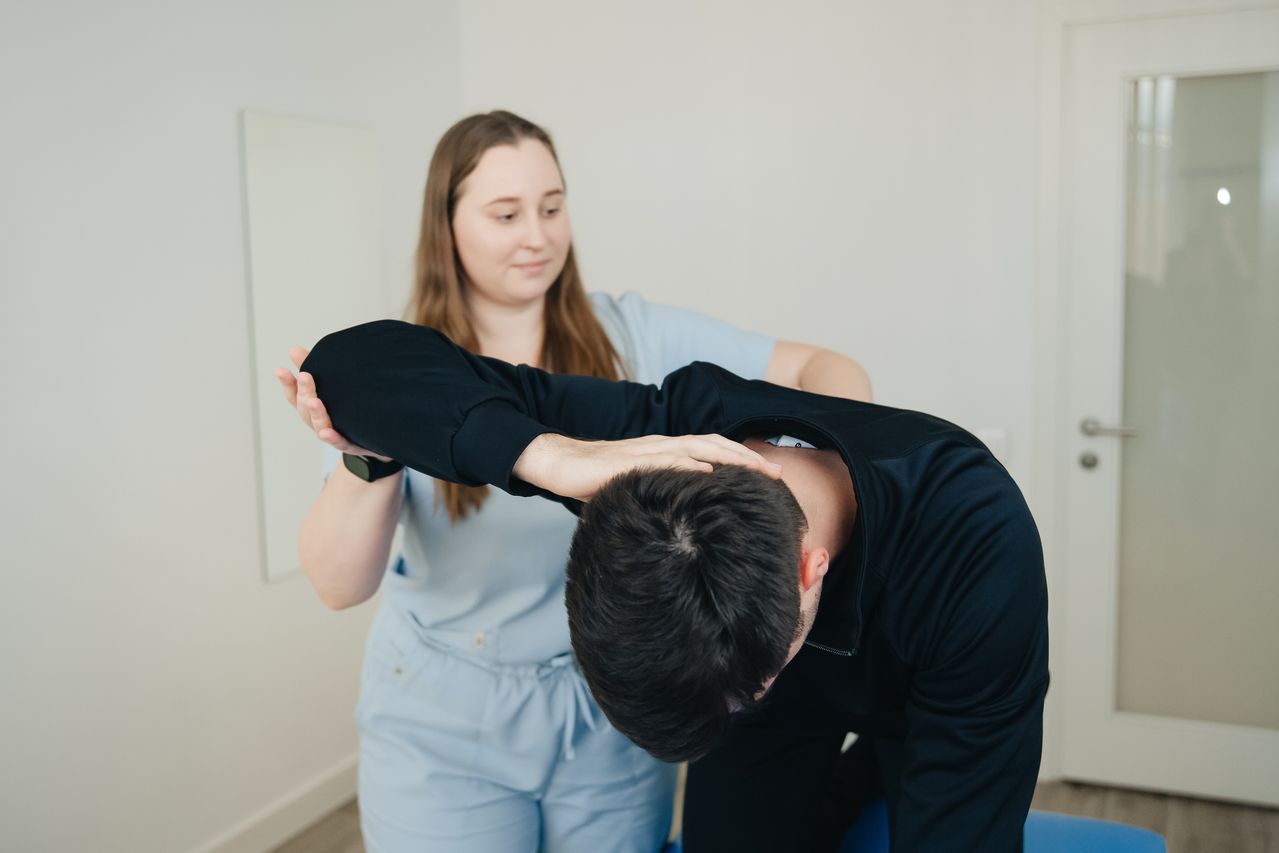
Recovering from an auto injury requires strategic physical therapy that goes beyond basic rest and medication. Your rehabilitation journey will involve carefully designed exercises tailored to restore your body’s strength, flexibility, and function.
Research demonstrates that exercise-based rehabilitation techniques play a crucial role in recovery by improving muscle function and reducing pain. Your chiropractor will develop a personalized exercise routine focusing on gentle neck mobility, controlled strength training, and progressive movement patterns. These exercises might include low impact walking, specific stretching techniques, resistance band work, and carefully monitored range of motion activities that address your unique injury profile.
Consistent and precise execution of these rehabilitation exercises is key to your recovery. Your healthcare provider will demonstrate each movement, ensuring you understand proper technique and body alignment. They will also monitor your progress, gradually increasing exercise intensity as your body heals. Communication is critical during this phase share any discomfort or challenges you experience so your treatment plan can be adjusted accordingly.
Professional Advice : Maintain a detailed exercise journal to track your progress, noting improvements in pain levels, mobility, and overall comfort during rehabilitation.

Step 5: Monitor Progress and Adjust Care
Recovering from an auto injury is not a linear process but a dynamic journey that requires ongoing assessment and strategic modifications. Your rehabilitation success depends on consistently tracking your physical improvements and working closely with your healthcare provider.
Systematic progress tracking becomes crucial in understanding your body’s healing trajectory. Your chiropractor will use standardized assessment tools to objectively measure improvements in pain levels, range of motion, strength, and functional mobility. These evaluations might include range of motion tests, strength assessments, pain scale measurements, and functional movement screenings that provide concrete data about your recovery progress.
Regular consultations with your healthcare provider allow for real time treatment plan adjustments. Be prepared to discuss any changes in your symptoms, new sensations, or challenges you experience during rehabilitation. Your active participation and honest communication are key to developing a responsive treatment strategy that adapts to your body’s unique healing process. The goal is to create a flexible approach that supports your recovery while preventing potential setbacks or chronic pain development.
Professional Advice : Photograph or video record your movement patterns during rehabilitation to visually track your physical progress and share these insights with your healthcare provider.
Below is a summary of chiropractic care phases and their main focus areas:
| Recovery Phase | Primary Focus | Patient Role |
|---|---|---|
| Initial Assessment | Diagnosis and injury mapping | Provide detailed history |
| Treatment Planning | Set goals and select therapies | Discuss needs and milestones |
| Rehabilitation | Exercise and functional restoration | Perform assigned routines |
| Progress Review | Monitor healing and adjust care | Share feedback regularly |
Take Control of Your Auto Injury Recovery with Essential ChiroCare
Recovering from an auto injury can be overwhelming especially when dealing with hidden symptoms like whiplash, nerve impingement, and persistent pain. This article highlights the importance of a personalized treatment plan, symptom documentation, and targeted rehabilitation exercises to heal naturally and effectively. If you are searching for expert care that focuses on the root cause of your pain and uses holistic chiropractic treatment to restore your health, you are in the right place.
At Essential ChiroCare, our experienced doctors specialize in auto accident recovery and will guide you through every step including comprehensive evaluations, custom chiropractic adjustments, and rehabilitative therapies tailored to your unique needs. Don’t wait for symptoms to worsen or become chronic. Start your healing journey now by scheduling a consultation on our main website where you can learn about our proven methods and book your appointment. Your path to natural pain relief and renewed wellness begins here with Essential ChiroCare’s trusted care in West Central Florida.
Frequently Asked Questions
How can I evaluate my symptoms after an auto injury?
Start by checking your body for pain, stiffness, and mobility limitations. Document the location, intensity, and duration of any discomfort to provide a clear picture of your condition.
What should I expect during my first consultation with a chiropractor?
During your initial consultation, expect a comprehensive examination that includes a review of your medical history and physical assessments. Bring all relevant documentation, like accident reports and a symptom journal, to help your chiropractor develop an effective treatment plan.
How do I create a personalized treatment plan for auto injuries?
Your chiropractor will work with you to design a treatment plan tailored to your specific needs, including spinal adjustments and rehabilitative exercises. Actively participate in discussions about your goals and keep track of your recovery milestones to ensure the plan stays aligned with your healing process.
What types of rehabilitation exercises should I engage in after an auto injury?
Engage in exercises that focus on restoring strength, flexibility, and function, such as gentle neck mobility and low-impact walking. Follow your chiropractor’s guidance on proper techniques to avoid worsening your condition during rehabilitation.
How can I monitor my progress during recovery from an auto injury?
Regularly assess your pain levels, mobility, and strength with the help of your chiropractor. Share any changes in your symptoms or difficulties you face to allow for timely adjustments to your treatment plan and enhance your recovery outcomes.
Recommended
- Why Chiropractic for Auto Injuries: Safe Relief That Lasts
- Mild Pain Is Still Pain – Why You Should See a Chiropractor After An Auto Accident
- How Long Does it Take to Recover From Soreness After a Car Accident?
- How a Chiropractor Can Prevent Worsening Symptoms Following Your Auto Accident Injury
- 7 Onmisbare tips voor een snelle tandartsherstel
- 7 Natuurlijke middelen tegen allergie voor beter welzijn - Mijn Voedsel Intolerantie Test