Auto Injury Recovery Guide for Holistic Pain Relief
Auto Injury Recovery Guide for Holistic Pain Relief
Over half of American adults will experience pain, stiffness, or hidden injuries after a car accident, even if they feel fine at first. In West Central Florida, recovering from auto injuries often means facing uncertainty about your body’s real condition and long-term wellness. This guide helps you make sense of holistic chiropractic solutions that prioritize pain relief and personalized rehabilitation plans, supporting your recovery every step of the way.

Table of Contents
- Step 1: Assess Your Injuries And Seek Immediate Care
- Step 2: Consult A Chiropractic Specialist For Evaluation
- Step 3: Create A Personalized Recovery Plan
- Step 4: Begin Targeted Chiropractic Treatments
- Step 5: Incorporate Therapeutic Exercises And Lifestyle Changes
- Step 6: Track Progress And Adjust Your Recovery Plan
Quick Summary
| Key Insight | Explanation |
|---|---|
| 1. Seek Medical Care Immediately | Schedule a medical assessment within 24-48 hours post-accident to identify hidden injuries. |
| 2. Consult a Chiropractic Specialist | A chiropractic evaluation can uncover musculoskeletal issues not detected in standard medical exams. |
| 3. Create a Personalized Recovery Plan | Develop a tailored plan with measurable goals that targets pain reduction and mobility restoration. |
| 4. Begin Targeted Chiropractic Treatments | Engage in specialized chiropractic care that includes manual adjustments and rehabilitation techniques. |
| 5. Track Progress and Adjust Plans | Regularly monitor your recovery metrics to adapt your treatment plan as necessary for optimal outcomes. |
Step 1: Assess Your Injuries and Seek Immediate Care
After an auto accident, your body might be in shock and mask serious injuries that could have long term consequences. Understanding how to accurately assess your physical condition is critical for your recovery and potential legal documentation. While adrenaline can temporarily block pain signals, hidden injuries could be developing that require prompt professional evaluation.
Your first priority is scheduling a comprehensive medical assessment within 24 to 48 hours after the accident. Even if you feel relatively fine, professional medical screening can identify potential soft tissue damage, whiplash, concussions, or internal injuries that are not immediately apparent. A thorough examination by healthcare professionals will document your condition, which becomes crucial for insurance claims and potential legal proceedings. Key areas to have examined include your neck, back, head, and any areas experiencing pain or restricted movement.
Documenting everything is essential. Take photographs of visible injuries, keep detailed records of medical visits, and request copies of all medical reports. A comprehensive approach to injury assessment helps track your recovery progress and provides critical evidence if you need to file an insurance claim or pursue legal action. Pay attention to symptoms like headaches, dizziness, neck or back stiffness, and any numbness or tingling sensations.
Pro Advice: Always prioritize a professional medical evaluation over self diagnosis, even if your symptoms seem minor. Your health and future recovery depend on early, accurate medical documentation.
Step 2: Consult a Chiropractic Specialist for Evaluation
After experiencing an auto injury, scheduling a comprehensive chiropractic evaluation becomes your most critical next step toward recovery. A chiropractic specialist can provide a detailed assessment that goes beyond standard medical screenings, focusing specifically on your musculoskeletal system and potential hidden injuries that might not appear in traditional medical examinations.
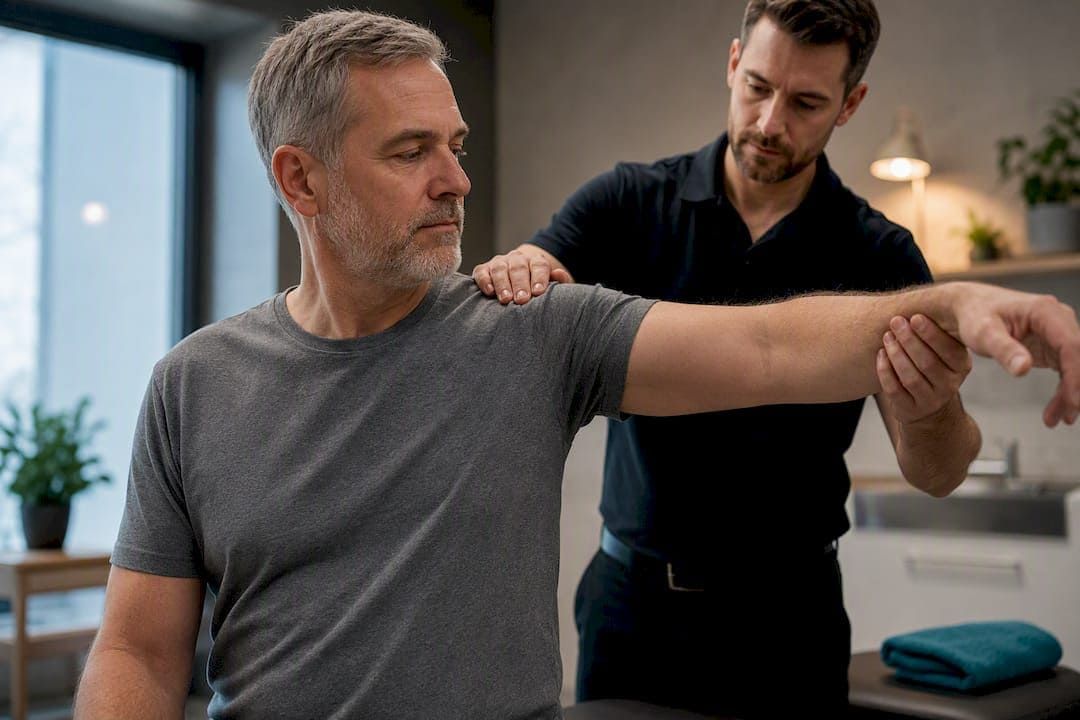
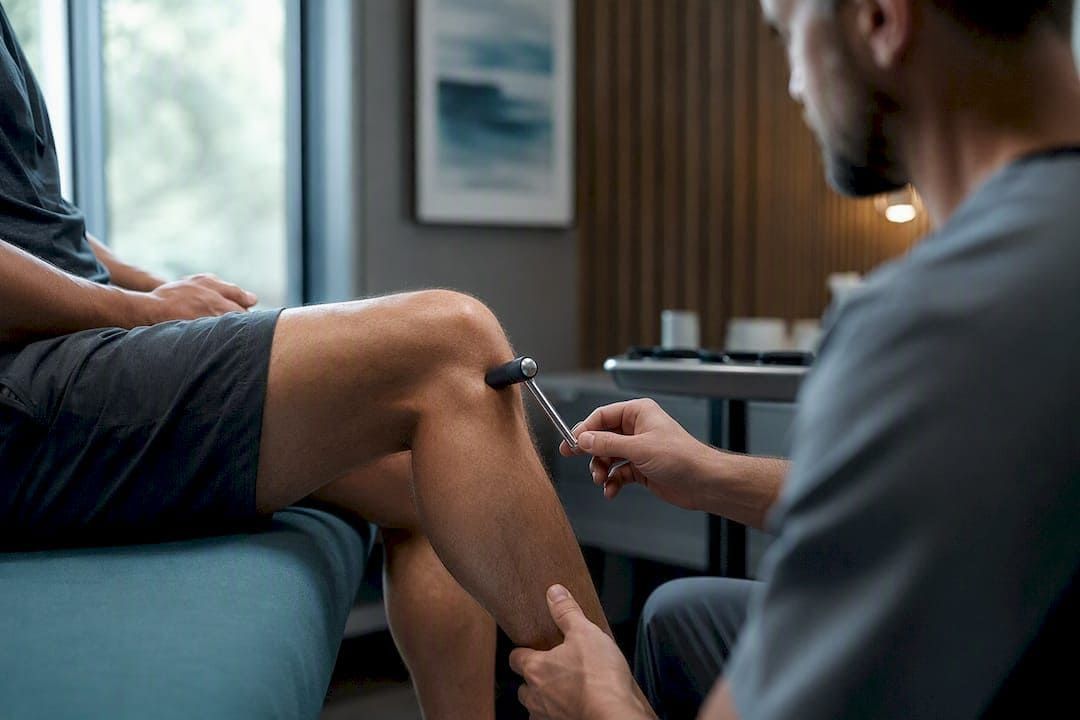
Your initial consultation will involve a thorough holistic approach to musculoskeletal health assessment, which includes a comprehensive medical history review, physical examination, and specialized diagnostic techniques. The chiropractor will carefully evaluate your range of motion, conduct neurological screenings, and perform specific tests to identify areas of inflammation, muscle tension, spinal misalignment, and potential nerve compression resulting from your auto accident. This detailed examination helps create a personalized treatment plan that addresses your specific injury patterns and supports your body’s natural healing processes.
During the evaluation, be prepared to provide detailed information about the accident, your current symptoms, and any pre existing conditions. Bring any medical records, X rays, or documentation from previous healthcare providers to help your chiropractor understand the full context of your injury. Mild Pain Is Still Pain – Why You Should See a Chiropractor After An Auto Accident can provide additional insights into why even seemingly minor discomfort warrants professional attention.
Pro Advice: Always request a written copy of your initial evaluation and recommended treatment plan. This documentation serves as a critical record for insurance claims and helps track your recovery progress.
Here’s a summary comparison of medical and chiropractic evaluations after an auto accident:
| Evaluation Type | Focus Areas | Benefits | Role in Recovery |
|---|---|---|---|
| Medical Assessment | Internal injuries, soft tissue | Detects serious and hidden conditions | Documents injuries for claims |
| Chiropractic Evaluation | Spine, muscles, nerves | Identifies musculoskeletal issues | Creates tailored treatment plan |
Step 3: Create a Personalized Recovery Plan
Transforming your auto injury recovery from a generic treatment approach to a targeted, individualized strategy requires careful planning and strategic goal setting. Your personalized recovery plan will serve as a roadmap that addresses your unique physical condition, healing potential, and long term wellness objectives.
Developing a comprehensive recovery strategy involves multiple dimensions beyond simple medical treatment. Work closely with your chiropractic specialist to establish clear, measurable goals that encompass pain reduction, mobility restoration, and functional improvement. These goals should be specific and time bound realistic milestones that track your progress systematically. For instance, your plan might include incremental targets like reducing inflammation by 50% within four weeks, improving spinal mobility by 25% in six weeks, or returning to normal daily activities without significant discomfort.
Collaborate with your healthcare provider to design a multifaceted approach that integrates How a Chiropractor Can Help You Find the Right Solution to Your Car Accident Back Pain. This might include specific chiropractic adjustments, targeted rehabilitation exercises, soft tissue therapies, nutritional recommendations, and stress management techniques. Regular follow up assessments will allow your specialist to adjust the plan dynamically based on your body’s response and healing progression.
Pro Advice: Document your recovery journey with weekly progress photographs and pain level logs. This visual and numerical tracking can provide motivation and valuable insights for both you and your healthcare team.
This table offers a quick reference for essential elements to include in your personalized recovery plan:
| Recovery Plan Element | Purpose | Example Goal |
|---|---|---|
| Pain reduction targets | Track progress and comfort | 50% less pain in 4 weeks |
| Mobility benchmarks | Measure improvement in movement | 25% better spinal range |
| Functional milestones | Restore daily activities | Resume work in 6 weeks |
Step 4: Begin Targeted Chiropractic Treatments
Starting your targeted chiropractic treatments represents a critical turning point in your auto injury recovery journey. These specialized interventions are designed to address the specific musculoskeletal challenges resulting from your accident, moving beyond generic pain management to restore your body’s natural alignment and healing potential.
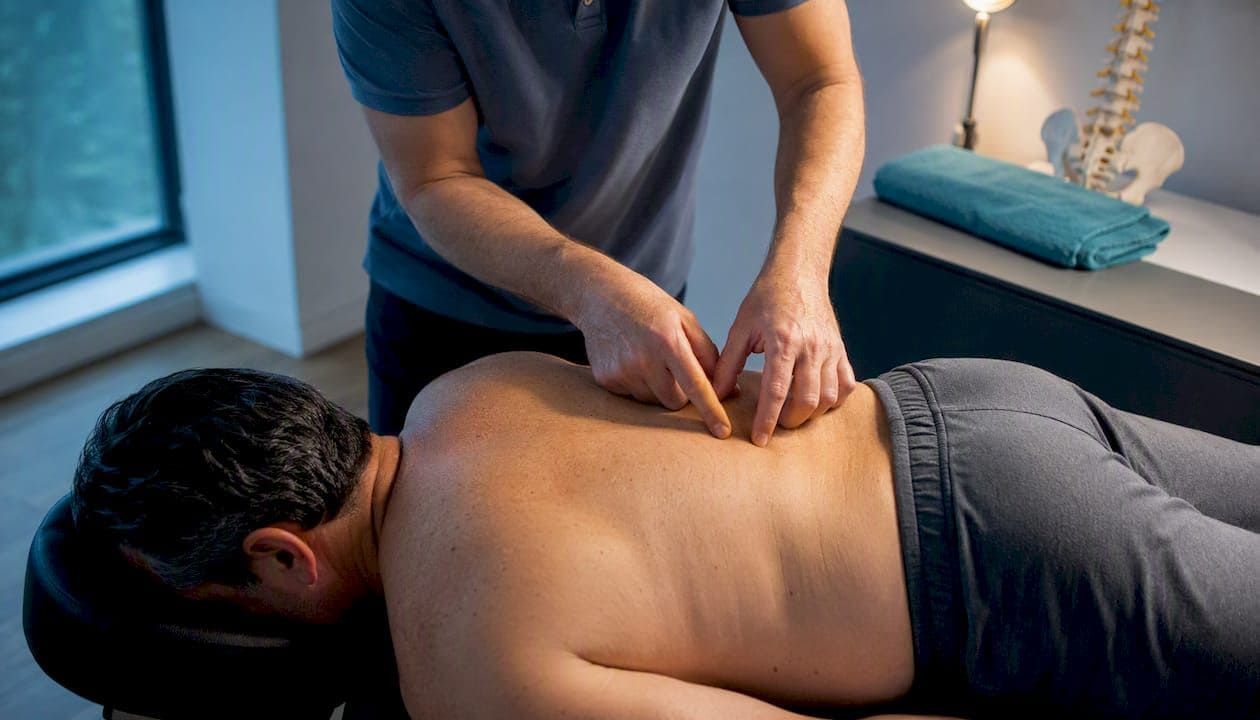
Comprehensive chiropractic care after a car accident involves a systematic approach that combines precise manual adjustments, rehabilitative techniques, and progressive healing strategies. Your chiropractor will likely implement a multi phase treatment plan that starts with reducing acute inflammation, realigning your spine, and releasing muscle tension. Expect a combination of specific techniques such as spinal manipulation, soft tissue therapy, therapeutic exercises, and potentially advanced modalities like electrical stimulation or ultrasound therapy to accelerate your recovery process.
As you progress through treatment, your chiropractor will continuously monitor your healing trajectory and adapt the approach accordingly. 7 Health Benefits of Chiropractic Pain Management can provide additional context about the comprehensive healing potential of these targeted interventions. Your active participation becomes crucial during this phase communicate openly about pain levels, mobility changes, and any challenges you experience to help your specialist fine tune your recovery strategy.
Pro Advice: Maintain a detailed recovery journal documenting your treatment sessions, pain levels, and mobility improvements. This personal record will help both you and your chiropractor track your progress objectively.

Step 5: Incorporate Therapeutic Exercises and Lifestyle Changes
Your auto injury recovery extends far beyond clinical treatments transforming your entire approach to physical wellness and daily functioning. Therapeutic exercises and strategic lifestyle modifications become your primary tools for rebuilding strength, restoring mobility, and preventing future complications from your injury.
Your chiropractor will design a personalized exercise regimen tailored specifically to your injury profile and recovery stage. These targeted movements will focus on gradually rebuilding muscle strength, improving flexibility, and retraining your neuromuscular system to support proper body mechanics. 5 Ways a Chiropractor Helps You Address Pain and Stiffness at the Source can provide additional context about how these targeted interventions work to support your healing process. Expect exercises that might include gentle stretching, controlled range of motion activities, isometric strengthening, and progressive resistance training designed to restore your body’s natural balance and functionality.
Beyond structured exercises, your recovery demands holistic lifestyle adjustments. This includes optimizing your sleep patterns, managing stress, maintaining proper nutrition, staying hydrated, and creating ergonomic modifications in your work and home environments. Your chiropractor will likely recommend specific dietary supplements, inflammation reducing foods, and posture correction techniques that support your body’s natural healing mechanisms and prevent potential chronic issues from developing.
Pro Advice: Integrate your therapeutic exercises into your daily routine by setting specific times and creating a dedicated space for your recovery movements. Consistency matters more than intensity during the early stages of rehabilitation.
Step 6: Track Progress and Adjust Your Recovery Plan
Transforming your auto injury recovery requires more than passive treatment tracking progress becomes an active and critical component of your healing journey. By systematically monitoring your physical improvements and challenges, you create a dynamic roadmap that adapts to your body’s unique healing trajectory.
Creating a holistic recovery strategy involves establishing clear measurement techniques that go beyond simple pain assessments. Your tracking should include quantitative metrics like range of motion improvements, muscle strength gains, reduced inflammation markers, and subjective measures such as daily functional capabilities and overall comfort levels. Strategies for tracking rehabilitation progress suggest using digital tools, journaling, and regular check ins with your healthcare provider to maintain accurate documentation of your recovery.
Work closely with your chiropractor to schedule periodic comprehensive evaluations where you review your progress, celebrate milestones, and strategically adjust your treatment plan. This might involve modifying exercise intensities, introducing new rehabilitation techniques, or addressing emerging challenges that become apparent through consistent tracking. Your active participation and honest communication about your physical and emotional experiences will enable your healthcare team to provide the most responsive and personalized recovery approach possible.
Pro Advice: Create a recovery dashboard using a simple spreadsheet or mobile app to log daily pain levels, mobility measurements, and treatment responses. Consistent documentation transforms your recovery from a passive experience to an empowered healing journey.
Begin Your Holistic Auto Injury Recovery with Essential ChiroCare
Recovering from an auto injury means addressing pain at its root through personalized care that supports your body’s natural healing. If you are struggling with neck pain, whiplash, or limited mobility after a collision, the journey described in “Auto Injury Recovery Guide for Holistic Pain Relief” shows how crucial it is to seek thorough assessments and targeted treatments. You deserve a recovery plan that focuses on reducing inflammation, realigning your spine, and restoring your function with the care of experienced professionals.
Take control of your healing today by partnering with Essential ChiroCare. Our expert chiropractors in West Central Florida specialize in comprehensive auto injury rehabilitation including chiropractic adjustments, manual therapy, and personalized physical rehabilitation. When pain feels overwhelming or progress stalls, don’t wait. Visit Essential ChiroCare now to explore our specialized services and schedule your appointment. Your personalized path to lasting pain relief and wellness starts here.
Frequently Asked Questions
How soon after an auto accident should I seek medical care?
You should schedule a comprehensive medical assessment within 24 to 48 hours after the accident. This ensures any hidden injuries are identified early, leading to better recovery outcomes.
What specific tests will a chiropractor perform after an auto injury?
A chiropractor will conduct a thorough evaluation including a physical examination, range of motion tests, and neurological screenings. This assessment helps identify potential issues and creates a personalized treatment plan tailored to your needs.
What should I include in my personalized recovery plan?
Your recovery plan should encompass pain reduction goals, mobility benchmarks, and functional milestones, all tailored to your specific injury. Aim to track progress with measurable targets, such as reducing pain levels by 50% within four weeks.
How can I track my recovery progress effectively?
Use a recovery journal to document treatment sessions, pain levels, and mobility improvements. Consistent tracking will allow you and your healthcare team to adjust your recovery plan as needed to ensure optimal healing.
What lifestyle changes can support my recovery from an auto injury?
Incorporate therapeutic exercises, manage stress, and maintain a healthy diet to support your healing. Modifying your daily routines, like ensuring proper sleep and hydration, can improve your recovery outcomes significantly.
Why is it important to consult a chiropractor after an auto injury?
Consulting a chiropractor is crucial as they provide specialized care focused on your musculoskeletal health. This targeted approach helps identify and treat hidden injuries, ensuring you regain full function and reduce pain effectively.
Recommended
- Why Chiropractic for Auto Injuries: Safe Relief That Lasts
- Mild Pain Is Still Pain – Why You Should See a Chiropractor After An Auto Accident
- Auto Accident Care | Expert Recovery & Pain Relief
- Pain After an Auto Accident Matters, Even if it’s Been Days, Weeks, or Months. Here’s What it’s Telling You.
- ICBC & Accident Trauma Counselling Kelowna: Complete Guide - Interactive Counselling