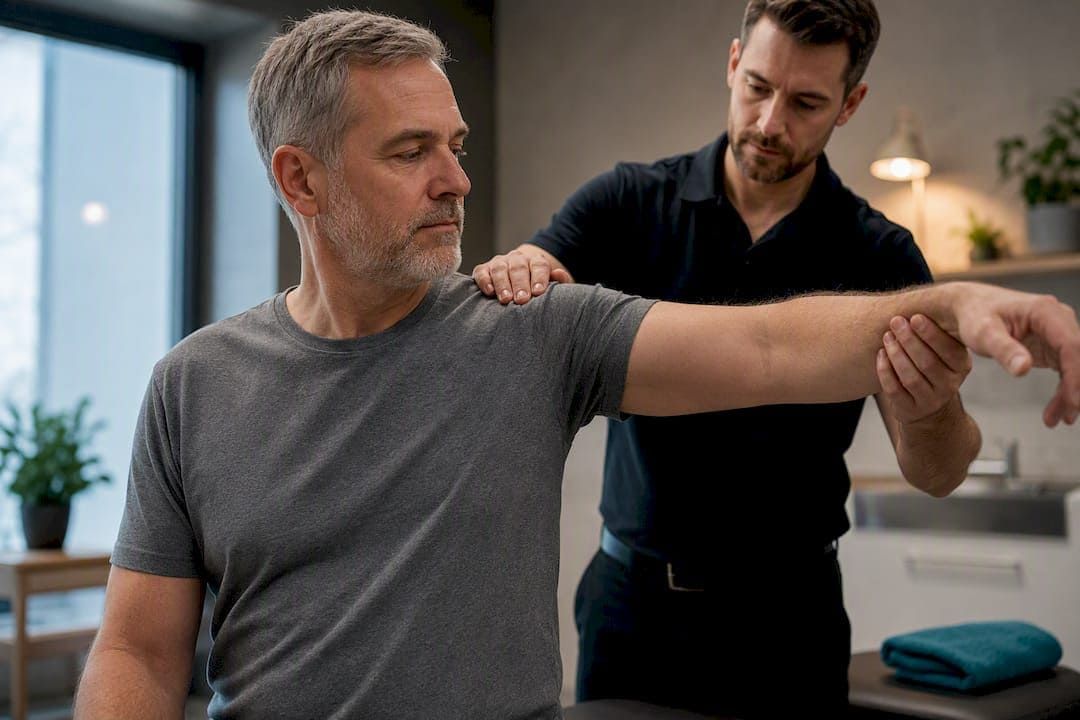



Role of Chiropractic Care After Auto Injury

Essential ChiroCare Blogger • December 23, 2025

Role of Chiropractic Care After Auto Injury

chiropractic care after auto injury

Every year, thousands of American drivers in West Central Florida face lingering pain and hidden injuries after car accidents. Long after the bruises fade, untreated musculoskeletal damage can silently grow into chronic discomfort that disrupts daily life. With holistic chiropractic care, local residents are turning to proven methods that target the root of post-injury pain and help prevent lasting issues. Discover how these patient-centered practices bring measurable healing and real relief to auto injury survivors.

Table of Contents

Key Takeaways

Point Details
Chiropractic Care Focuses on Mechanical Disorders Chiropractic treatment for auto injuries aims to restore nervous system function by targeting musculoskeletal issues through personalized assessments and manual techniques.
Common Injuries Addressed by Chiropractors Chiropractors specialize in treating injuries such as whiplash, lower back strain, and spinal disc herniation, utilizing tailored rehabilitation strategies.
Holistic Recovery Approach Chiropractic care promotes natural healing without invasive procedures, emphasizing structural alignment and preventative strategies.
Legal and Documentation Awareness Properly documenting injuries and treatments is crucial for navigating insurance claims and ensuring fair compensation after an auto accident.

Core Principles of Chiropractic in Auto Injuries

Chiropractic care after an auto injury represents a specialized approach to healing that goes beyond traditional medical interventions. At its core, this practice focuses on mechanical disorders of the musculoskeletal system, using precise manual techniques to restore proper nervous system function and support natural healing processes. Chiropractic principles emphasize diagnosing, treating, and preventing mechanical disruptions that commonly result from vehicular accidents.

The foundational approach in auto injury chiropractic care centers on comprehensive assessment and targeted treatment. Chiropractors conduct thorough examinations to identify subtle misalignments, soft tissue damage, and neurological interruptions that might not be immediately apparent through standard medical imaging. These assessments help create personalized treatment strategies addressing specific injury patterns such as:

  • Whiplash-related cervical spine disruptions
  • Soft tissue inflammation and micro-tears
  • Spinal joint restrictions and reduced mobility
  • Nerve compression and referred pain syndromes

Moreover, evidence-based practice remains critical in modern chiropractic approaches , ensuring that treatment protocols are grounded in scientific research and continuous professional development. This commitment means chiropractors consistently refine their techniques, integrating the latest understanding of biomechanical healing and neurological recovery.

Pro Tip - Auto Injury Recovery: Schedule a comprehensive chiropractic evaluation within 72 hours of your accident, even if you feel minimal pain, to prevent potential long-term musculoskeletal complications and establish an early intervention strategy.

Common Auto Injury Types Treated Chiropractically

Auto accidents create a complex range of musculoskeletal injuries that chiropractors are uniquely positioned to diagnose and treat. Understanding these injury patterns allows for targeted, comprehensive rehabilitation strategies. The most common auto injury types require specialized chiropractic intervention to prevent long-term complications and restore optimal physical function.

Whiplash stands as the most prevalent auto injury, characterized by sudden, forceful neck movement that strains soft tissues and vertebral alignments. This condition typically involves:

  • Cervical spine misalignment
  • Muscle and ligament micro-tears
  • Restricted neck mobility
  • Potential nerve impingement
  • Chronic headache development

Beyond whiplash, chiropractors frequently address other significant auto injury types including lower back strain, shoulder trauma, and complex spinal compression injuries. These conditions often result from the sudden, violent forces experienced during collision events, creating biomechanical disruptions that traditional medical approaches might overlook.

Spinal disc herniation represents another critical injury type treatable through chiropractic techniques. The impact of auto accidents can cause disc displacement, leading to nerve compression, radiating pain, and potential long-term neurological complications. Precise chiropractic adjustments can help realign damaged spinal structures and support natural healing processes.

Here is a summary of how common auto injuries impact patients and the focus of chiropractic care for each:

Injury Type Typical Effects Chiropractic Focus
Whiplash Neck stiffness, headaches Cervical realignment
Lower Back Strain Limited mobility, lower pain Lumbar stabilization
Shoulder Trauma Shoulder weakness, pain Mobility restoration
Spinal Disc Herniation Radiating nerve pain, tingling Disc decompression techniques

Pro Tip - Injury Documentation: Photograph and document all physical symptoms immediately after an auto accident, as these visual records can provide crucial evidence for both medical treatment and potential insurance claims.

How Chiropractic Supports Injury Recovery

Chiropractic care provides a comprehensive, non-invasive approach to recovering from auto injuries by addressing the complex interconnections between the spine, nervous system, and musculoskeletal structure. Targeted chiropractic techniques restore spinal and joint alignment , enabling the body to initiate its natural healing mechanisms and reduce compensatory strain patterns.

The recovery process involves several critical intervention strategies:

  • Precise spinal adjustments to realign displaced vertebrae
  • Soft tissue manipulation to reduce inflammation
  • Therapeutic exercises to rebuild muscle strength
  • Nerve function restoration
  • Pain management without invasive procedures

Moreover, chiropractors conduct comprehensive evaluations that go beyond surface-level symptoms. Non-invasive treatments like spinal adjustments and therapeutic exercises help alleviate pain and promote holistic healing by addressing the root causes of musculoskeletal disruptions. This approach ensures that patients receive personalized care targeting their specific injury patterns and recovery requirements.

Therapeutic interventions also focus on preventing long-term complications by identifying and addressing potential chronic conditions early. Chiropractors use advanced diagnostic techniques to map out injury progression, creating dynamic treatment plans that adapt as the patient’s body recovers and heals.

Pro Tip - Recovery Tracking: Maintain a detailed injury recovery journal documenting pain levels, mobility changes, and treatment responses to help your chiropractor optimize your personalized rehabilitation strategy.

chiropractic treatment for auto accidents

Legal and Insurance Considerations for Victims

Navigating the complex landscape of legal and insurance claims after an auto injury requires strategic understanding of how chiropractic treatment interfaces with medical documentation and compensation processes. Alternative treatment experiences are experiencing rapid growth in auto injury claims , creating important considerations for victims seeking comprehensive medical documentation and financial recovery.

Key legal and insurance considerations include:

  • Documenting all medical treatments thoroughly
  • Obtaining official medical records from chiropractors
  • Understanding insurance policy coverage for alternative treatments
  • Preserving evidence of injury progression
  • Tracking all related medical expenses

Insurance companies increasingly recognize chiropractic care as a legitimate medical intervention, particularly for soft tissue injuries and musculoskeletal trauma. Comprehensive risk assessments demonstrate the safety of chiropractic treatments compared to other medical procedures , which helps strengthen insurance claims and patient credibility.

Patients should be proactive in managing their medical documentation, ensuring detailed treatment records that clearly demonstrate the connection between auto accident injuries and subsequent chiropractic interventions. This approach helps create a transparent narrative for insurance adjusters and potential legal proceedings, maximizing the likelihood of fair compensation.

Pro Tip - Claim Documentation: Request a comprehensive treatment summary from your chiropractor after each visit, including detailed notes about injury progression, treatments performed, and medical recommendations for your insurance and potential legal documentation.

Comparing Chiropractic to Traditional Medical Care

Chiropractic principles emphasize a patient-centered approach to healing that fundamentally differs from traditional medical interventions. Unlike conventional treatments that often focus on symptom management through medication or surgical procedures, chiropractic care targets the root biomechanical causes of pain and dysfunction, promoting holistic recovery and long-term wellness.

Key differences between chiropractic and traditional medical approaches include:

  • Non-invasive treatment techniques
  • Focus on structural alignment and nervous system function
  • Emphasis on natural healing mechanisms
  • Personalized treatment strategies
  • Minimal reliance on pharmaceutical interventions

Chiropractic techniques restore alignment and function through specialized manual adjustments, contrasting with traditional medical methods that frequently depend on prescription medications or surgical interventions. This approach allows for more comprehensive healing by addressing underlying structural issues rather than merely masking symptoms.

Traditional medical care typically follows a reactive model, treating specific symptoms as they emerge. Chiropractic care, conversely, adopts a proactive approach, identifying and correcting biomechanical imbalances before they develop into chronic conditions. This preventative strategy not only addresses immediate pain but also supports long-term musculoskeletal health and neurological function.

The following table highlights the core differences between chiropractic and traditional medical recovery approaches for auto injuries:

Approach Core Methodology Typical Interventions Outcome Focus
Chiropractic Care Structural correction, prevention Manual adjustments, exercises Long-term alignment, healing
Traditional Medical Care Symptom management, reactivity Medications, surgeries Immediate symptom relief

Pro Tip - Treatment Comparison: Request a comprehensive consultation that compares potential chiropractic and traditional medical treatment approaches for your specific injury, enabling you to make an informed decision about your recovery strategy.

Discover Holistic Healing with Essential ChiroCare After Auto Injury

Experiencing pain or stiffness after a car accident can be overwhelming, especially when faced with invisible injuries like whiplash or spinal misalignment. The article highlights how chiropractic care focuses on correcting mechanical disruptions, reducing inflammation, and restoring nerve function to support your body’s natural healing. At Essential ChiroCare, we understand the complexity of auto injuries and specialize in personalized treatment plans that address root causes such as cervical realignment, soft tissue recovery, and spinal decompression.

Don’t let lingering pain or restrictions hold you back from your best life. Take control of your recovery with our expert doctors based in West Central Florida who use proven chiropractic techniques tailored to your unique needs. Schedule your comprehensive chiropractic evaluation today at Essential ChiroCare and start healing with a trusted partner. Learn more about how we help patients just like you recover from auto accidents by visiting our auto injury care page and explore the full range of pain relief and rehabilitation options available.

Your path to long-term wellness and pain-free living begins with one simple step. Act now to protect your health and prevent chronic complications.

Frequently Asked Questions

  • What are the common types of injuries treated by chiropractors after an auto accident?

    Chiropractors commonly treat injuries such as whiplash, lower back strain, shoulder trauma, and spinal disc herniation that may occur from auto accidents.

  • How does chiropractic care support recovery from auto injuries?

    Chiropractic care enhances recovery by realigning the spine and joints, reducing inflammation through soft tissue manipulation, and implementing therapeutic exercises to restore muscle strength and function.

  • Why is it important to seek chiropractic care soon after an auto injury?

    Early chiropractic evaluation, ideally within 72 hours after an injury, helps prevent long-term musculoskeletal complications and allows for the establishment of an effective treatment plan tailored to individual needs.

  • How does chiropractic care differ from traditional medical treatment for auto injuries?

    Chiropractic care focuses on addressing the root causes of pain and dysfunction through non-invasive techniques, while traditional medical treatment often emphasizes symptom management, including medication and surgery.

Recommended

Doctor showing patient spine models in office with city view.
By Essential ChiroCare Blogger December 22, 2025
Chiropractic terms explained for patients: learn core terminology, treatment types, adjustment techniques, and how these shape your care experience.
role of chiropractic in recovery
By Essential ChiroCare Blogger December 19, 2025
Discover the role of chiropractic in recovery, including pain relief methods, injury rehabilitation, personalized care strategies, and alternative treatment options.
Pediatric Chiropractic
By Essential ChiroCare Blogger December 18, 2025
Discover how a pediatric chiropractor in Tampa supports your child's spine health, enhancing comfort and activity with gentle techniques. Keep reading!
auto injury chiropractic
By Essential ChiroCare Blogger December 18, 2025
Auto injury chiropractic helps restore mobility, reduce pain, and speed recovery after accidents. Learn about treatments, benefits, and key safety considerations.
holistic pain relief
By Essential ChiroCare Blogger December 17, 2025
Discover why holistic pain relief outperforms quick fixes. Learn about chiropractic methods, root-cause treatment, and benefits for chronic pain.
chiropractic techniques
By Essential ChiroCare Blogger December 16, 2025
Chiropractic techniques explained—types, how they work, safety, effectiveness, and alternatives. Learn what to expect from expert care for pain relief.
Workplace Injuries
By Essential ChiroCare Blogger December 15, 2025
Discover how a work injury chiropractor in Tampa offers holistic care to alleviate pain and promote long-term health and wellness. Continue reading on!
chiropractic care checklist
By Essential ChiroCare Blogger December 15, 2025
Discover the 7 must-have steps in a chiropractic care checklist. Learn how to get the most from treatment and improve pain relief and recovery.
Headache
By Essential ChiroCare Blogger December 14, 2025
Discover how a headache treatment chiropractor in Sarasota can provide relief and enhance well-being with personalized care and spine health focus. Read on!
Joint Health
By Essential ChiroCare Blogger December 14, 2025
Struggling with joint pain in Tampa's winter humidity? Discover ways a joint pain chiropractor in Tampa can help improve mobility and comfort. Keep reading!
Show More