

Pain Management Options: Holistic Solutions for Relief
More than eighty million American adults struggle with ongoing pain every year, often unsure where to turn for lasting relief. In West Central Florida, chronic pain or sports injuries can make everyday life challenging, especially when common myths about pain management keep people from effective care. This guide reveals how a holistic chiropractic approach improves wellness, helps debunk misinformation, and highlights real solutions designed for local needs.

Table of Contents
Key Takeaways
| Point | Details |
|---|---|
| Pain Management is Multifaceted | Effective pain management includes physical, psychological, and emotional strategies tailored to individual experiences. |
| Myths Can Impede Treatment | Beliefs such as needing complete pain elimination can hinder effective recovery; successful management focuses on improving overall quality of life. |
| Chiropractic Care Offers Comprehensive Solutions | Chiropractic approaches incorporate holistic techniques to treat pain, enhancing mobility while addressing underlying issues. |
| Consider Non-Drug Alternatives | Utilizing nonpharmacologic methods can lead to long-term wellness and reduce reliance on medications with side effects. |
Defining Pain Management and Common Myths
Pain management is a specialized medical approach designed to help individuals understand and address their unique pain experiences. Medical practitioners recognize pain as a complex, multifaceted condition that extends far beyond simple physical discomfort. For West Central Florida residents struggling with chronic or sports-related pain, understanding this nuanced approach can be transformative.
At its core, pain management involves an interdisciplinary strategy that addresses physical symptoms while considering psychological and emotional components. Neurological research reveals that pain isn’t just a singular sensation, but a deeply personal experience that varies dramatically between individuals. This means what works for one person’s back injury might not be effective for another’s similar condition.
Common myths about pain management can significantly hinder effective treatment. Many people mistakenly believe that:
- Pain must be completely eliminated to be considered successfully treated
- A single treatment approach works universally
- Chronic pain is purely a physical problem
- Ignoring pain will make it disappear
Reality demonstrates that successful pain management is about improving quality of life, reducing pain intensity, and helping patients regain functional mobility. It requires a comprehensive approach that may include physical therapy, targeted chiropractic adjustments, psychological support, and personalized treatment strategies.
Pro tip: Always document your pain experiences, including intensity, duration, and potential triggers, to help your healthcare provider develop the most effective treatment plan.
Types of Pain and Treatment Approaches
Pain is a complex experience with multiple variations that require specialized understanding and targeted treatment strategies. Different pain classifications reveal how treatment approaches must be carefully tailored to individual patient needs and specific pain characteristics.
The primary pain types include:
- Nociceptive Pain : Arising from tissue damage or inflammation, typically experienced as sharp or aching sensations
- Neuropathic Pain : Resulting from nerve damage or dysfunction, often described as burning, shooting, or electric-like
- Inflammatory Pain : Triggered by immune system responses, characterized by swelling and heightened sensitivity
- Nociplastic Pain : Emerging from altered nervous system processing, where pain signals are distorted
Treatment strategies depend on pain duration and can be categorized into three primary phases:
- Acute Pain Management: Typically short-term, focused on immediate relief and healing
- Subacute Pain Intervention: Addressing pain lasting 1-3 months with targeted therapies
- Chronic Pain Treatment: Comprehensive, long-term approaches addressing persistent pain conditions
Effective pain management for West Central Florida residents requires a multidisciplinary approach. This might involve chiropractic adjustments, physical rehabilitation, manual therapy, and personalized treatment plans that address both physical symptoms and underlying causes.
Here’s a summary of pain types with their main characteristics and matched treatment focus:
| Pain Type | Key Characteristic | Example Focused Approach |
|---|---|---|
| Nociceptive Pain | Sharp or aching from injury | Physical therapy, manual therapy |
| Neuropathic Pain | Burning or shooting sensations | Nerve modulation, chiropractic |
| Inflammatory Pain | Swelling and sensitivity | Anti-inflammatory techniques |
| Nociplastic Pain | Altered pain processing | Cognitive behavioral support |
Pro tip: Track your pain patterns and symptoms meticulously, as detailed information helps healthcare professionals design more precise and effective treatment strategies.
Chiropractic Care in Pain Relief Plans
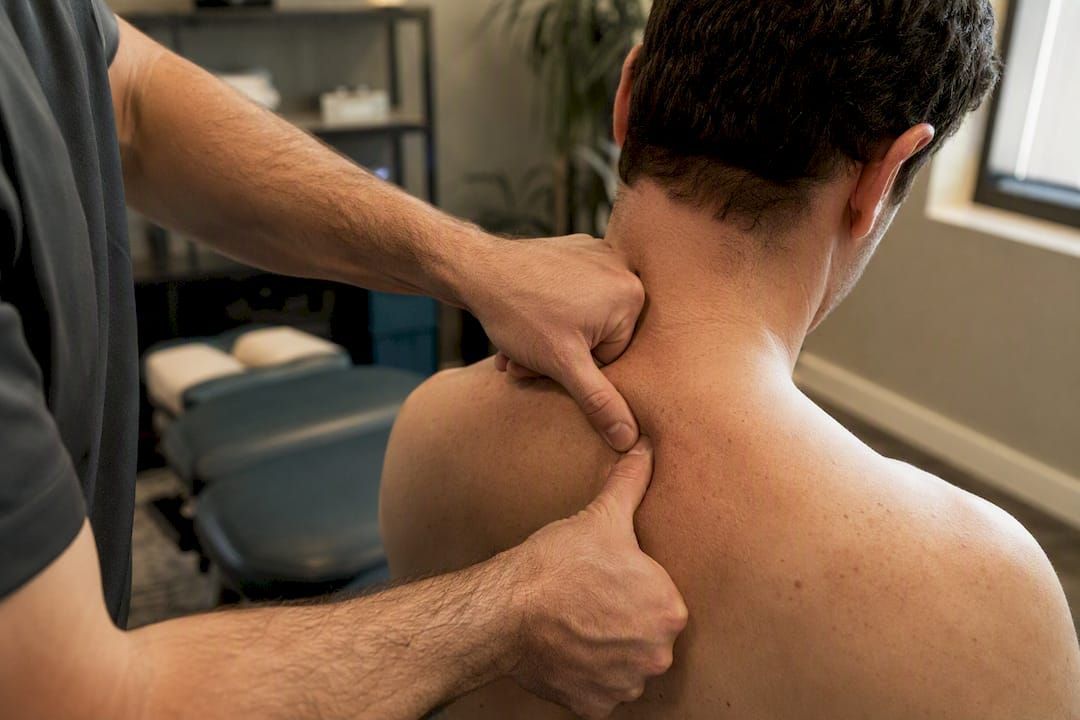
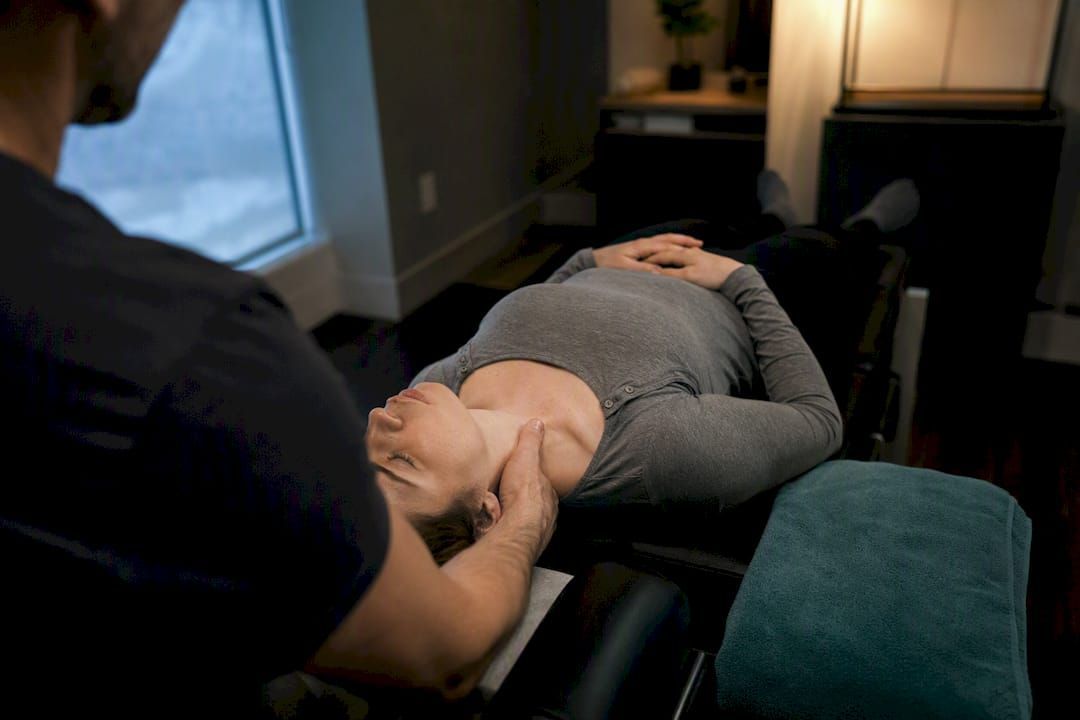
Chiropractic care represents a comprehensive approach to pain management that goes beyond traditional medical interventions. Licensed practitioners use specialized techniques to address musculoskeletal conditions, focusing on whole-body wellness and natural healing strategies for West Central Florida residents experiencing chronic pain.
The core of chiropractic treatment involves precise spinal manipulation and manual therapies designed to:
- Improve joint mobility
- Reduce inflammation
- Restore proper nervous system function
- Alleviate pain without invasive procedures
- Enhance overall body biomechanics
- Spinal manipulation
- Soft tissue massage
- Proprioceptive neuromuscular facilitation stretches
- Electrical muscle stimulation
- Personalized exercise recommendations
Unlike conventional pain management strategies that often rely heavily on medication, chiropractic care offers a holistic solution targeting the root causes of pain. By understanding each patient’s unique physical condition, chiropractors develop tailored treatment plans that promote natural healing, improved mobility, and long-term wellness.
Pro tip: Maintain open communication with your chiropractor about your complete health history and specific pain experiences to ensure the most effective personalized treatment approach.

Medication, Therapy, and Lifestyle Alternatives
Pain management extends far beyond traditional medication, offering West Central Florida residents a comprehensive approach to healing and wellness. Nonpharmacologic techniques provide multiple pathways for addressing chronic pain and improving overall quality of life without solely relying on pharmaceutical interventions.
Non-drug pain management strategies include:
- Mind-body interventions
- Acupuncture
- Physical therapy techniques
- Cognitive behavioral approaches
- Relaxation and stress reduction methods
- Biofeedback training
- Electrical stimulation therapies
Alternative pain management methods focus on teaching patients how to control bodily responses and reduce muscle tension. These approaches offer several advantages:
- Fewer side effects compared to medication
- Holistic healing strategies
- Personalized treatment plans
- Long-term wellness focus
- Improved self-management skills
By integrating multiple treatment modalities, individuals can develop a more comprehensive approach to pain management. This might involve combining chiropractic care, targeted exercises, stress reduction techniques, and strategic lifestyle modifications to address pain at its root cause.
Pro tip: Create a detailed pain journal tracking triggers, intensity, and response to different treatment approaches to help your healthcare providers develop the most effective personalized pain management strategy.
Compare medication-based and nonpharmacologic pain management options side-by-side:
| Approach | Key Benefit | Common Drawback |
|---|---|---|
| Medication-Based | Rapid symptom control | Risk of side effects |
| Nonpharmacologic Methods | Long-term wellness focus | May require lifestyle changes |
| Combined Strategies | Addresses multiple pain sources | More time-consuming |
Risks, Costs, and Choosing the Right Option
Pain management strategies require careful consideration of multiple factors beyond treatment effectiveness. Comprehensive patient resources help individuals navigate the complex landscape of treatment options, risks, and financial implications.
Critical factors to evaluate when selecting a pain management approach include:
- Potential side effects
- Long-term health implications
- Financial costs
- Insurance coverage
- Personal medical history
- Individual pain tolerance
- Treatment accessibility
Affordable pain management alternatives can significantly reduce treatment expenses while promoting holistic healing. Low-cost or free options such as exercise, yoga, meditation, and targeted physical therapies offer effective alternatives to expensive pharmaceutical interventions. These approaches not only minimize financial burden but also reduce risks associated with long-term medication use.
Making an informed decision requires thorough research, open communication with healthcare professionals, and a willingness to explore personalized treatment strategies. West Central Florida residents should prioritize comprehensive evaluations that consider their unique physical conditions, lifestyle constraints, and long-term wellness goals when selecting pain management approaches.
Pro tip: Request detailed cost breakdowns and potential insurance coverage information for different treatment options before committing to a specific pain management strategy.
Discover Personalized Pain Relief with Essential ChiroCare
Living with chronic or acute pain can be overwhelming, especially when standard treatments fall short of providing lasting relief. This article highlights the importance of a holistic and individualized pain management approach that addresses the root causes, not just symptoms. At Essential ChiroCare, we understand how complex pain can be — from neuropathic discomfort to inflammatory or nociceptive pain — and that your journey to wellness requires tailored chiropractic adjustments, manual therapy, and comprehensive rehabilitation.
Experience the difference that specialized care makes by visiting Essential ChiroCare. Our experienced doctors provide customized plans focusing on natural healing and restored mobility to help you regain your quality of life. Don’t wait for pain to control your days. Take the first step toward relief and schedule your consultation today here. Your path to renewed wellness in West Central Florida starts now.
Frequently Asked Questions
What are the main types of pain managed in pain management?
The primary types of pain include nociceptive pain, neuropathic pain, inflammatory pain, and nociplastic pain. Each type requires specific treatment strategies tailored to its characteristics.
How does chiropractic care contribute to pain management?
Chiropractic care offers a holistic approach that focuses on spinal manipulation and manual therapies, aimed at improving joint mobility, reducing inflammation, and promoting natural healing of musculoskeletal conditions.
What are some non-drug options for pain management?
Non-drug options include mind-body interventions, acupuncture, physical therapy techniques, cognitive behavioral approaches, and relaxation methods. These strategies help manage pain without the reliance on medication.
Why is it important to track pain symptoms?
Tracking pain symptoms helps healthcare providers understand your experiences better, allowing them to develop personalized and effective treatment plans based on your pain patterns, triggers, and responses to different therapies.