

Auto Injury Chiropractic: Restoring Mobility After Accidents
Every year, thousands of American drivers experience the aftermath of auto accidents, with over four million injuries reported nationwide. Understanding what happens to the body during and after a collision can make a major difference in recovery. Whether you are confused by conflicting advice or wary of misconceptions, this guide clears up the facts about auto injury chiropractic and shows how specialized care supports the complex needs of accident victims.
Table of Contents
Key Takeaways
| Point | Details |
|---|---|
| Specialized Approach | Auto injury chiropractic focuses on individualized treatment strategies to address musculoskeletal trauma from vehicular accidents. |
| Importance of Documentation | Keeping detailed medical records of injuries and treatments is crucial for insurance claims and legal protections. |
| Early Intervention Benefits | Consulting a chiropractor promptly can prevent long-term complications and support faster recovery. |
| Comprehensive Care | Chiropractors provide tailored treatments that include evaluations and personalized rehabilitation plans to optimize recovery outcomes. |
Auto Injury Chiropractic Defined and Debunked
Auto injury chiropractic represents a specialized healthcare approach designed to address musculoskeletal trauma resulting from vehicular accidents. Chiropractic professionals focus on restoring proper motion and alignment through precise manual interventions targeting spinal joints and nervous system function.
Contrary to popular misconceptions, auto injury chiropractic is not a one-size-fits-all treatment but a nuanced therapeutic strategy. Spinal manipulation involves carefully assessed techniques that address specific biomechanical disruptions caused by accident-related trauma. These interventions aim to reduce inflammation, restore joint mobility, and support the body’s natural healing processes without invasive surgical procedures.
Research indicates that medical terminology surrounding chiropractic practices can often be misunderstood , leading to potential patient skepticism. Chiropractors undergo extensive training to diagnose and treat complex musculoskeletal conditions, utilizing evidence-based protocols that complement traditional medical approaches. Their treatment strategies typically involve a comprehensive assessment including physical examination, diagnostic imaging, and personalized rehabilitation plans.
Pro Tip: Document Every Injury: Immediately after an auto accident, maintain detailed medical records of all injuries and treatments, as these become crucial documentation for potential insurance claims and future medical interventions.
Common Injuries Treated After Auto Accidents
Auto accidents can produce a complex range of musculoskeletal injuries that require specialized medical attention. These trauma-induced conditions often involve multiple body systems, creating intricate challenges for comprehensive recovery. Typical injury patterns include strains and sprains affecting the back and neck, which can significantly impact mobility and long-term physical function.
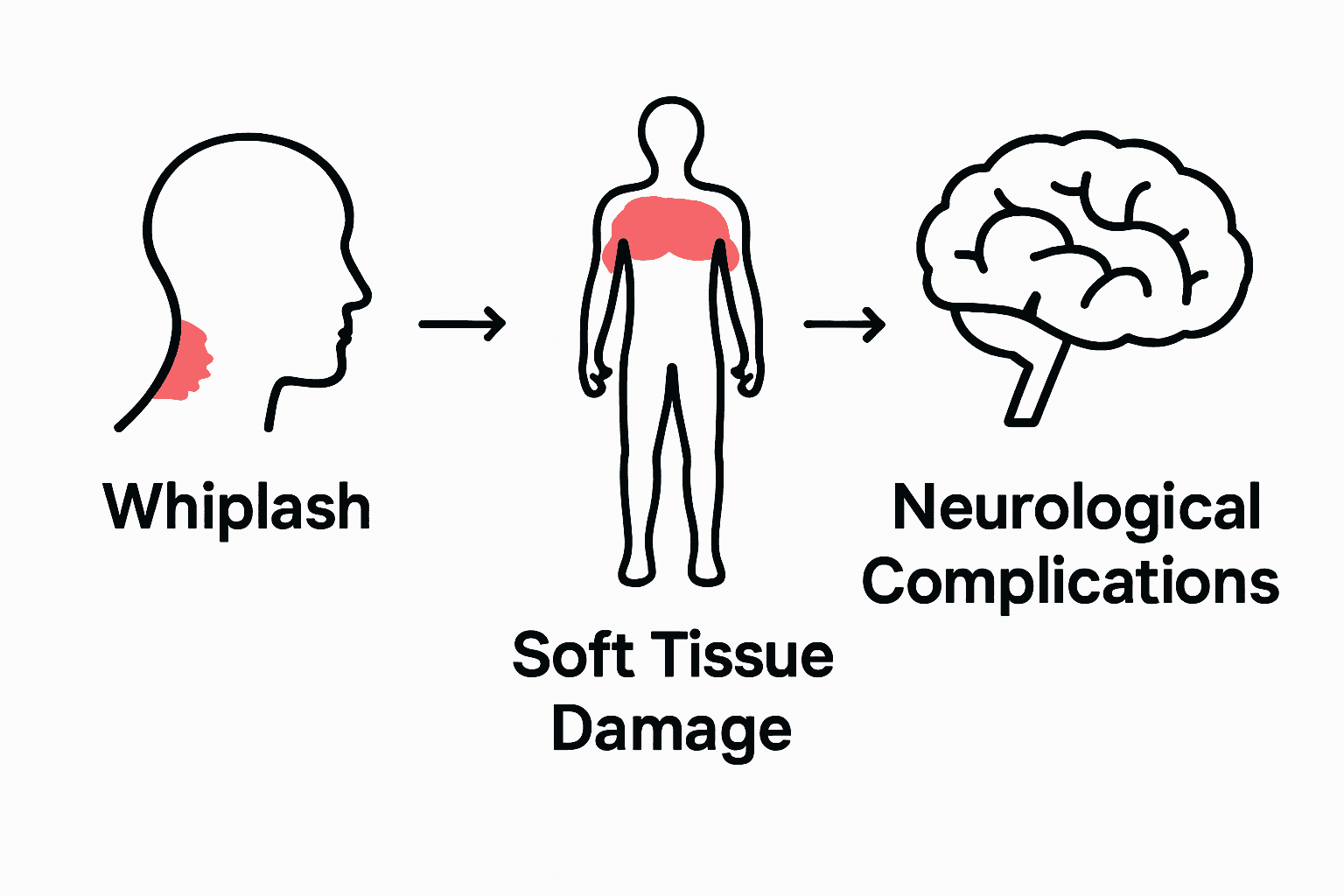
The spectrum of potential auto accident injuries encompasses multiple categories. Soft tissue damage represents a primary concern, involving muscles, ligaments, and tendons that may experience sudden stretching or tearing during collision impact. Lacerations, scrapes, and more severe traumatic injuries like degloving can occur , each demanding specific medical intervention strategies. Structural injuries might include fractures to critical body regions such as arms, legs, ribs, and pelvis, which require precise diagnostic and rehabilitative approaches.
Neurological complications frequently emerge as significant secondary concerns in auto accident injuries. Whiplash, a common cervical spine injury, can trigger persistent neck pain, headaches, and reduced range of motion. Chiropractors specialize in identifying and treating these subtle yet profound musculoskeletal disruptions, employing targeted manipulation techniques designed to restore proper joint alignment and support natural healing processes.
Pro Tip: Early Documentation Strategy: Photograph all visible injuries immediately after an accident and maintain a comprehensive medical log, as these records become critical evidence for potential treatment plans and insurance claims.
Here’s a comparison of common auto accident injuries and the specialized chiropractic approaches used for each:
| Injury Type | Typical Symptoms | Chiropractic Focus |
|---|---|---|
| Whiplash | Neck pain, headaches, stiffness | Cervical adjustments, gentle mobilization |
| Soft Tissue Damage | Swelling, bruising, reduced motion | Myofascial release, soft tissue therapy |
| Spinal Strain | Back pain, muscle spasms | Targeted spinal manipulation |
| Fractures (adjunct) | Limited movement, severe pain | Rehabilitative support, joint mobilization |
| Neurological Issues | Numbness, tingling, weakness | Nerve function assessment, alignment correction |
Personalized Treatment Approaches and Techniques
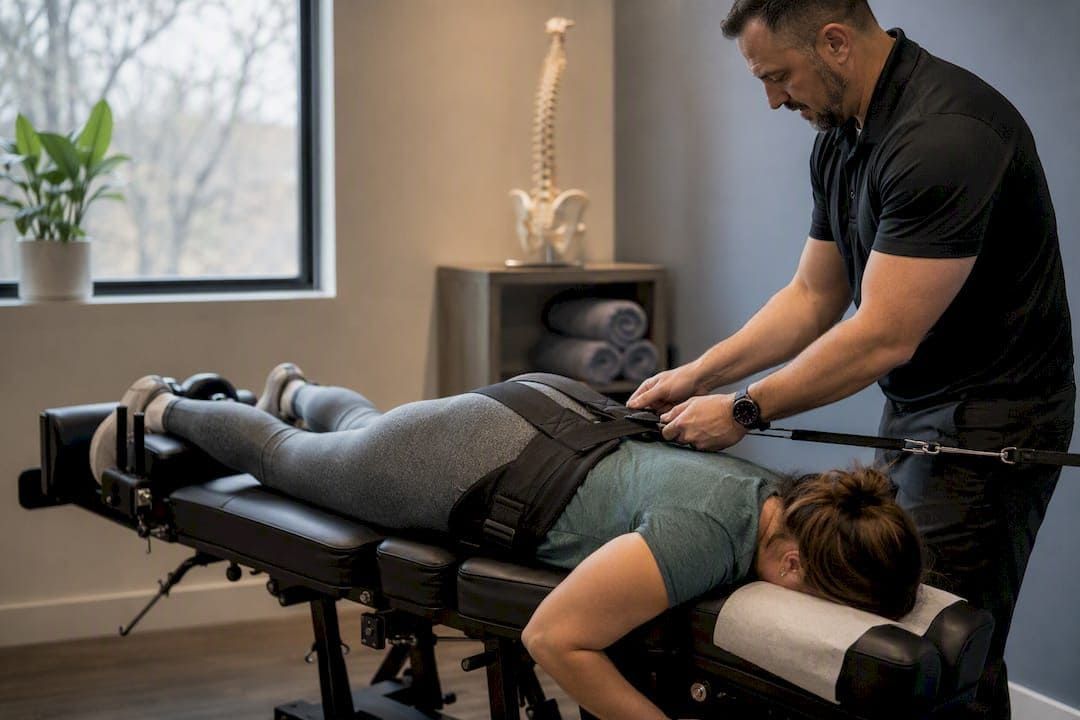
Chiropractic treatment for auto injury recovery demands a sophisticated, individualized strategy that goes beyond standard medical interventions. Neck and shoulder injuries are particularly complex and require nuanced diagnostic and therapeutic approaches tailored to each patient’s specific biomechanical disruptions.
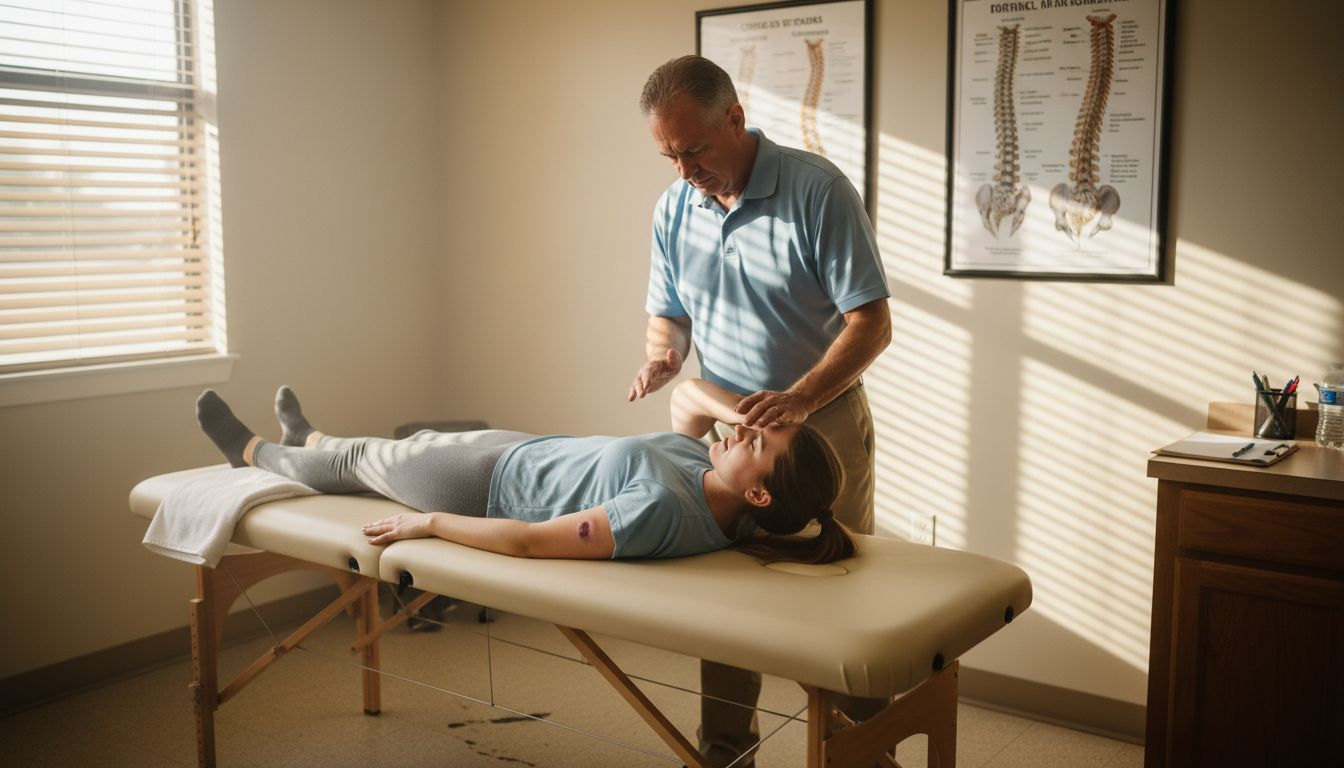
The personalization process begins with comprehensive diagnostic assessment, which typically involves multiple evaluation techniques. Chiropractors conduct detailed physical examinations, review diagnostic imaging, assess range of motion, and analyze pain patterns to develop targeted treatment protocols. These individualized plans may incorporate multiple therapeutic modalities including spinal manipulation, soft tissue mobilization, rehabilitative exercises, and strategic pain management techniques designed to address root-cause musculoskeletal imbalances.
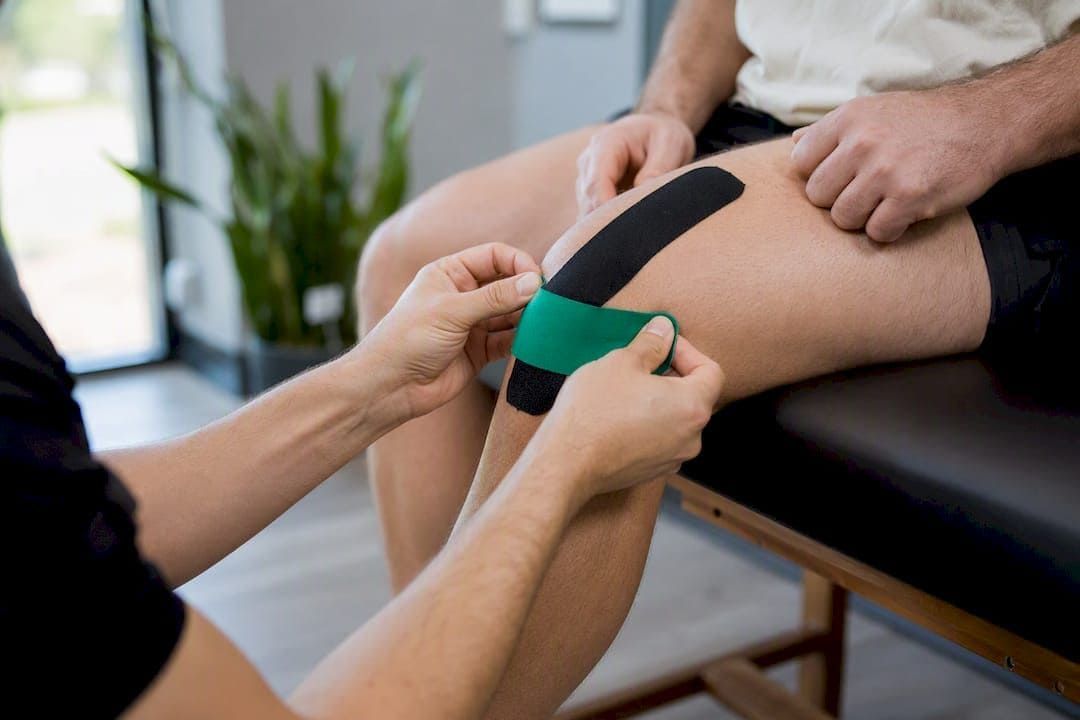
Advanced treatment approaches often integrate complementary techniques that support holistic recovery. Manual adjustment techniques work to restore proper joint alignment, reduce inflammation, and promote natural healing mechanisms. Practitioners might utilize instrument-assisted manipulation, myofascial release, trigger point therapy, and progressive rehabilitation exercises that progressively rebuild strength, flexibility, and functional movement patterns specific to each patient’s injury profile and recovery goals.
Pro Tip: Recovery Tracking Method: Maintain a detailed recovery journal documenting pain levels, mobility improvements, and treatment responses to help your chiropractor fine-tune your personalized rehabilitation strategy.
Benefits of Early Chiropractic Intervention
Early intervention following an auto accident can dramatically transform recovery trajectories, preventing long-term musculoskeletal complications. Consulting a chiropractor soon after an accident allows for immediate assessment and strategic treatment of potential hidden injuries that might not be immediately apparent through conventional medical examinations.
The physiological advantages of prompt chiropractic care extend beyond immediate pain management. Inflammation reduction becomes a critical early intervention strategy, addressing microscopic tissue damage before it can develop into chronic conditions. By implementing targeted manual therapies, chiropractors can help minimize scar tissue formation, restore proper joint mobility, and interrupt the body’s inflammatory response mechanisms that could potentially lead to long-term mobility restrictions.
Early chiropractic treatment offers comprehensive benefits that traditional medical approaches might overlook. Practitioners utilize advanced diagnostic techniques to identify subtle biomechanical disruptions, creating personalized rehabilitation protocols that address not just symptomatic relief but underlying structural imbalances. These precision interventions can prevent compensatory movement patterns that often develop when initial injuries are left untreated, potentially averting secondary complications that could emerge weeks or months after the initial trauma.
Pro Tip: Immediate Documentation Strategy: Capture photographic evidence of your injuries and maintain a detailed symptom log starting immediately after an accident, which will provide crucial documentation for both medical treatment and potential insurance claims.
The following table summarizes key benefits of early chiropractic intervention after an auto accident:
| Benefit | Impact on Recovery | Long-term Advantage |
|---|---|---|
| Inflammation Reduction | Less swelling, faster healing | Minimizes chronic tissue changes |
| Scar Tissue Prevention | Encourages normal tissue repair | Reduces future mobility restriction |
| Precise Injury Detection | Identifies hidden damage | Avoids delayed complications |
| Individualized Rehab Plans | Tailors care to each patient | Supports complete functional recovery |
Safety, Legal, and Insurance Considerations
Seeking immediate medical documentation after an auto accident is crucial for legal and insurance protection , creating a comprehensive record of potential injuries and treatment trajectories. Medical evidence serves as a critical foundation for both personal injury claims and insurance compensation processes, ensuring that victims can effectively demonstrate the extent and origin of their physical trauma.
Insurance companies typically require detailed, contemporaneous medical documentation to validate claims and determine appropriate compensation. Chiropractic medical records provide specialized insights into soft tissue injuries, biomechanical disruptions, and long-term physical impacts that traditional medical assessments might overlook. These detailed reports can substantiate claims of pain, reduced mobility, and potential future treatment requirements, which are essential for comprehensive insurance settlements.
Legal considerations surrounding auto injury claims involve complex documentation requirements and strategic medical evidence compilation. Chiropractors play a pivotal role in this process by providing objective, scientifically grounded assessments that track injury progression, document treatment interventions, and establish clear causal relationships between the accident and subsequent physical complications. Their professional evaluations can become critical testimony in personal injury litigation, offering precise, measurable documentation of physiological impacts.
Pro Tip: Evidence Preservation Protocol: Collect and organize all medical documents, treatment records, diagnostic images, and chiropractor assessment reports immediately after your accident, creating a comprehensive evidence portfolio that protects your legal and insurance interests.
Regain Your Mobility with Expert Auto Injury Chiropractic Care
Experiencing pain, stiffness, or reduced motion after a car accident can be frustrating and overwhelming. The specialized approach of auto injury chiropractic focuses on restoring your spinal alignment and easing inflammation to support your body’s natural healing process. At Essential ChiroCare, we understand the importance of early, precise treatment to prevent long-term complications like scar tissue formation and chronic pain. Our personalized treatment plans use proven manual therapies and rehabilitation techniques designed just for your unique injury profile.
Do not wait to address hidden injuries or lingering discomfort. Take control of your recovery today by scheduling a consultation with our skilled team who have expertise in auto/personal injury care and holistic chiropractic solutions. Visit Essential ChiroCare now to start your journey toward pain relief and renewed mobility. Discover how our comprehensive approach can make all the difference in your healing by exploring our personalized treatment services and understanding why early chiropractic intervention matters. Act now for a healthier tomorrow.
Frequently Asked Questions
What is auto injury chiropractic?
Auto injury chiropractic is a specialized healthcare approach that focuses on addressing musculoskeletal trauma resulting from vehicular accidents. Chiropractors use manual adjustments to restore proper motion and alignment to the spine and improve nervous system function.
What types of injuries are treated by chiropractic professionals after an auto accident?
Chiropractors treat a range of injuries including whiplash, soft tissue damage, spinal strains, fractures, and neurological issues. These injuries can cause pain, reduced mobility, and other complications that chiropractic care can help alleviate.
How can early chiropractic intervention benefit recovery after an auto accident?
Early chiropractic intervention can reduce inflammation, prevent scar tissue formation, and identify hidden injuries. It provides tailored rehabilitation plans that not only focus on pain management but also address underlying structural imbalances to ensure a comprehensive recovery.
What should I document immediately after an auto accident for chiropractic care?
It’s important to document all injuries and treatments immediately after an auto accident. Take photographs of any visible injuries and maintain a detailed medical log including symptoms and treatment responses, which can be crucial for both medical care and insurance claims.