


Chiropractic Terms Explained: What Every Patient Needs

Essential ChiroCare Blogger • December 22, 2025

Chiropractic Terms Explained: What Every Patient Needs

adjustment techniques

Most American patients encounter unfamiliar words the first time they visit a chiropractor. Without clear explanations, key terms like adjustment or subluxation can create confusion or even anxiety. Informed understanding of core chiropractic terminology not only puts patients at ease, but also leads to better health outcomes. Discover how learning these essential words can turn a quick visit into a confident, collaborative care experience. Over 60 percent of patients say clear definitions improve their trust in chiropractic care.

Table of Contents

Key Takeaways

Point Details
Understanding Terminology is Essential Familiarizing oneself with chiropractic terms like ‘subluxation’ and ‘adjustment’ enhances patient confidence and engagement in treatment.
Clarifying Treatment Techniques Different types of chiropractic adjustments serve diverse patient needs; understanding these can guide informed decisions on personal care.
Communication Builds Trust Clear explanations of methods and terminology foster a trusting relationship between practitioners and patients, reducing anxiety.
Active Participation Improves Outcomes Patients who engage in discussions about their treatment plans and ask questions typically experience more favorable health results.

Core Chiropractic Terms and Meanings

Navigating the world of chiropractic care can feel like learning a new language. Understanding key terminology helps patients feel more confident and informed during their treatment journey. From vertebral subluxation to alignment techniques, these core terms provide insight into how chiropractors approach healing and wellness.

At the heart of chiropractic practice is the concept of vertebral subluxation complex , a fundamental term describing misalignments in the spine that can impact overall nervous system function. This complex goes beyond simply having a “bone out of place” - it represents a comprehensive understanding of how spinal misalignments can create cascading effects throughout the body’s interconnected systems.

Some essential chiropractic terms patients should understand include:

  • Adjustment : A precise, controlled force applied to specific joints to improve alignment and mobility
  • Subluxation : A partial dislocation or misalignment of a joint, particularly in the spine
  • Manipulation : Therapeutic movement of joints to restore proper range of motion
  • Spinal Decompression : A technique designed to relieve pressure on compressed nerve roots

Understanding these terms allows patients to become active participants in their healing process. Chiropractors use these precise definitions to communicate treatment plans and help patients comprehend the intricate connections between spinal health and overall wellness.

Pro Tip : Ask Questions: During your first chiropractic consultation, request that your practitioner explain any unfamiliar terms in simple, clear language to ensure you fully understand your treatment approach.

Types of Chiropractic Treatments Explained

Chiropractic care is not a one-size-fits-all approach. Different treatment techniques address various musculoskeletal issues, providing targeted relief and promoting overall wellness. Multiple chiropractic adjustment methods exist, each designed to meet specific patient needs and conditions.

Some primary chiropractic treatment types include:

  • Spinal Manipulation : The most traditional technique involving direct, precise force to restore joint mobility
  • Diversified Technique : A hands-on method using quick, controlled thrusts to realign spine and joints
  • Gonstead Technique : Focuses on specific joint manipulation using detailed analysis and precise adjustments
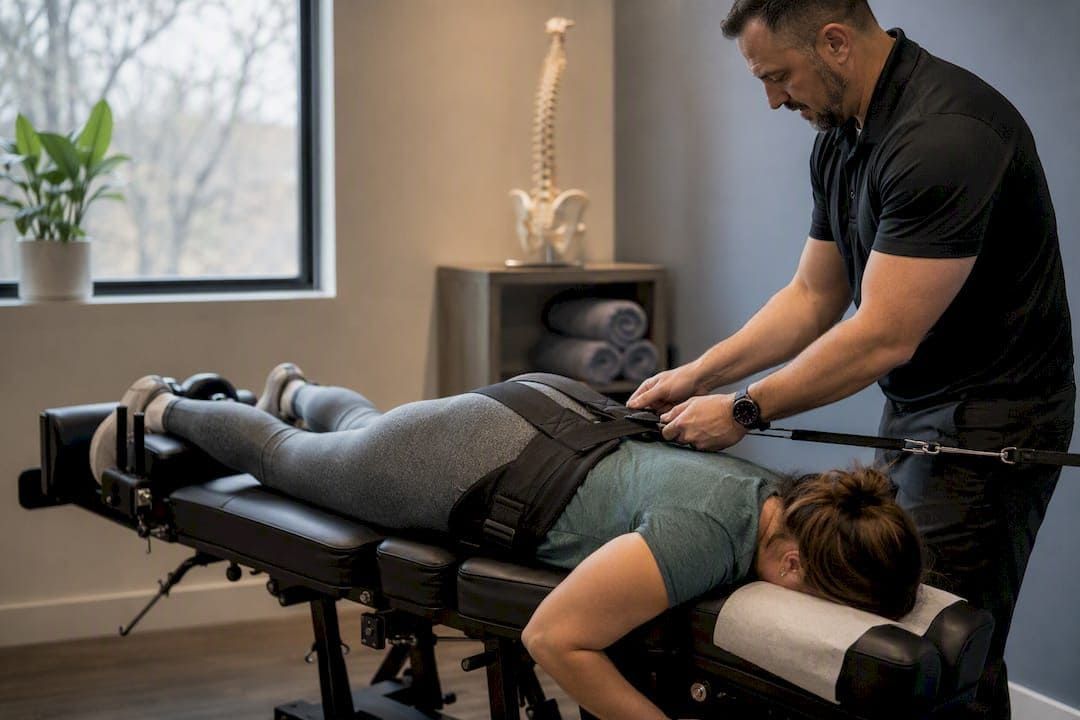
  • Thompson Drop-Table Technique : Utilizes a specialized table with sections that drop slightly during adjustment
  • Activator Method : Employs a small handheld instrument delivering gentle, low-force impulses

Each treatment approach offers unique benefits. The Diversified Technique, for instance, is often used for general alignment and addressing joint dysfunction, while the Activator Method provides a gentler option for patients with heightened sensitivity or chronic conditions.

A chiropractor adjusting a patient's neck in an office.

Here’s a quick comparison of popular chiropractic adjustment techniques and their key features:

Technique Level of Force Typical Use Case Common Patient Benefit
Spinal Manipulation Moderate to High General joint dysfunction Improved mobility
Diversified Technique High Broad spinal and joint realignment Restores overall alignment
Gonstead Technique Moderate Precise spinal analysis Targets specific subluxations
Thompson Drop-Table Moderate Ease of adjustment, sensitive patients Less forceful adjustments
Activator Method Low Elderly or sensitive patients Gentle, instrument-based care

Ultimately, a skilled chiropractor can help you address pain and stiffness at the source , selecting the most appropriate technique based on your specific health profile and wellness goals.

Pro Tip : Treatment Compatibility: Always discuss your medical history, comfort level, and specific concerns with your chiropractor to determine the most suitable adjustment technique for your individual needs.

Key Adjustment Techniques and Tools

Chiropractors employ a diverse array of specialized techniques and tools to address musculoskeletal issues and promote healing. The Activator technique represents one of the most precise instrument-based approaches , utilizing a spring-loaded handheld device that delivers controlled, low-force impulses to specific areas of the body.

Key adjustment techniques and associated tools include:

  • Manual Adjustment : Hands-on technique using direct physical manipulation
  • Activator Method : Precision instrument delivering gentle, targeted impulses
  • Percussion Instruments : Devices that use rhythmic tapping to stimulate muscles and joints
  • Drop Table Technique : Specialized treatment table with movable sections for controlled adjustments
  • Impulse Adjustment Tools : Electronic devices providing consistent, reproducible force

Neck manipulation techniques require particular expertise, focusing on the delicate upper seven vertebrae of the spinal column. Chiropractors must exercise extreme precision and care when performing these specialized adjustments, understanding the intricate relationship between cervical alignment and overall nervous system function.

Modern chiropractic care combines traditional hands-on techniques with advanced technological tools, allowing practitioners to customize treatments for individual patient needs and specific musculoskeletal conditions.

Pro Tip : Tool Transparency: Always ask your chiropractor to explain the specific tools and techniques they plan to use during your treatment, ensuring you feel comfortable and informed about the adjustment process.

Common Misconceptions About Chiropractic Terms

Chiropractic terminology often creates confusion for patients unfamiliar with the field. Many people misunderstand key concepts, leading to unnecessary apprehension about treatment approaches and potential benefits. Applied kinesiology, for instance, represents a technique frequently misinterpreted by patients and medical professionals alike , demonstrating the complexity of chiropractic diagnostic methods.

Common misconceptions about chiropractic terms include:

  • Adjustment = Cracking Bones : Adjustments are precise, controlled manipulations targeting specific joint restrictions
  • Subluxation is Always Visible : Not all joint misalignments are detectable through standard imaging
  • Manipulation Means Forceful Treatment : Many techniques involve gentle, targeted interventions
  • Holistic Approach Equals Alternative Medicine : Chiropractic care is a scientifically-grounded medical approach
  • One Treatment Fixes Everything : Healing is typically a progressive process requiring multiple sessions

Patients often struggle to distinguish between professional chiropractic terminology and popular misconceptions. The term “subluxation” doesn’t simply mean a bone is out of place, but represents a complex interaction between joint mechanics, nervous system function, and overall musculoskeletal health.

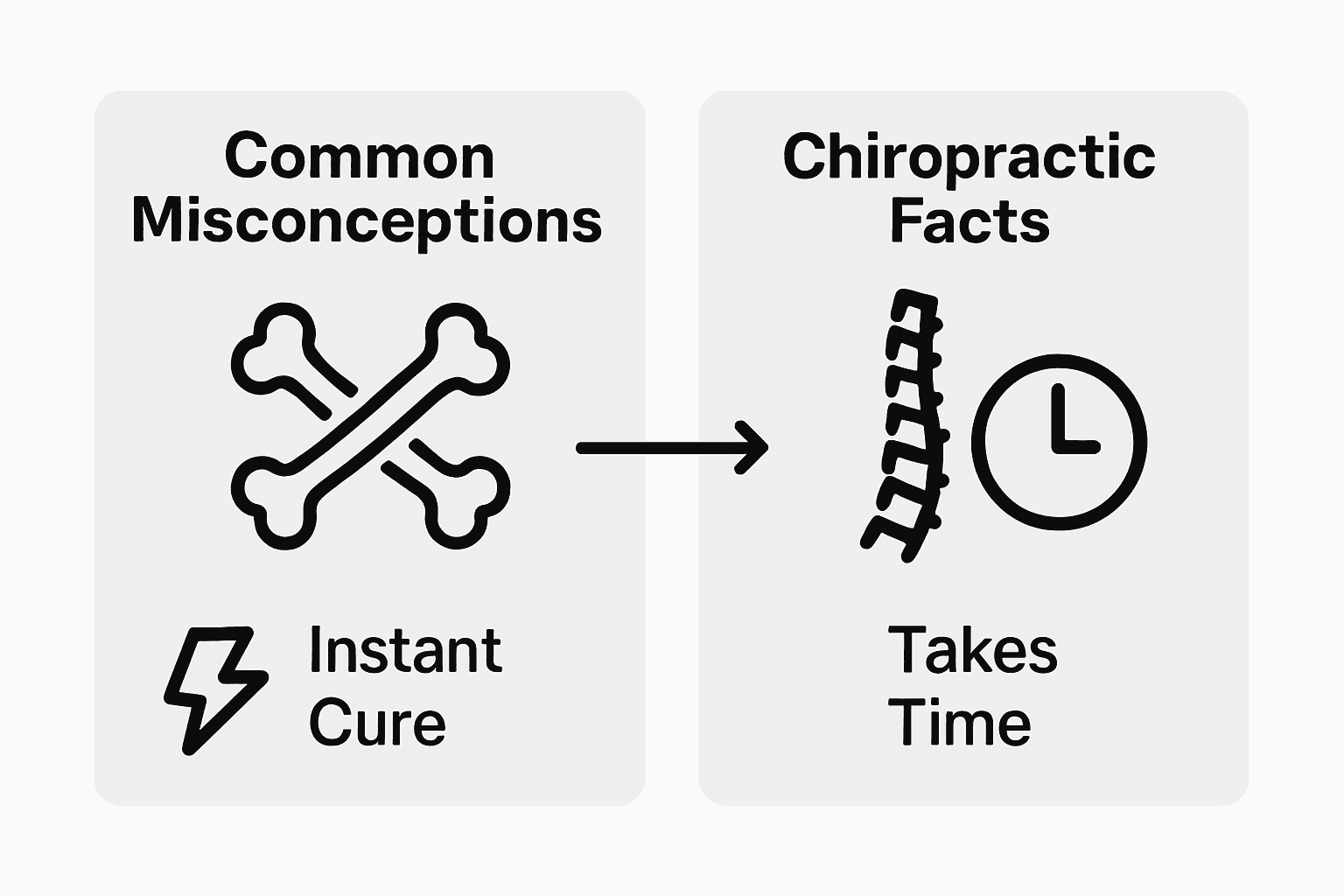
Common misconceptions vs. chiropractic facts. Misconception: Instant cure (bones crossed with lightning). Fact: Takes time (spine with clock).

Understanding these nuanced terms helps patients become more informed and engaged in their personal wellness journey, transforming potential skepticism into collaborative healthcare decision-making.

Pro Tip : Terminology Clarity: During your first consultation, request that your chiropractor explain any unfamiliar terms, ensuring you fully comprehend your treatment approach and potential outcomes.

How Terminology Shapes Patient Experience

Language plays a critical role in patient understanding and comfort during chiropractic treatment. Professional regulatory bodies recognize the importance of standardized terminology to ensure clear communication and patient trust, transforming complex medical concepts into accessible insights.

Key ways terminology impacts patient experience include:

  • Demystifying Treatment : Explaining technical terms reduces anxiety and fear
  • Building Trust : Clear communication demonstrates professional expertise
  • Empowering Patient Participation : Understanding terminology helps patients become active healthcare partners
  • Setting Realistic Expectations : Precise language helps patients comprehend treatment processes
  • Reducing Misunderstandings : Accurate terminology prevents misconceptions about treatment approaches

Professional chiropractors understand that medical jargon can create barriers. By translating complex biomechanical and neurological concepts into patient-friendly language, they transform potential confusion into meaningful dialogue. A term like “subluxation” becomes less intimidating when explained as a subtle joint misalignment affecting overall body function.

Effective communication bridges the gap between clinical expertise and patient comprehension, creating a collaborative environment where healing and understanding can flourish simultaneously.

This summary clarifies how terminology can influence the patient experience in chiropractic care:

Terminology Impact Patient Outcome Example Scenario
Reduces Anxiety Enhanced comfort Explaining ‘subluxation’ clearly
Builds Trust Stronger practitioner bond Open explanations of methods
Empowers Participation More active patients Patients ask informed questions
Sets Expectations Fewer misunderstandings Outlining treatment timelines

Pro Tip : Language Learning: Ask your chiropractor to explain any unfamiliar terms during your consultation, and don’t hesitate to request simpler explanations if something sounds complicated.

Understand Your Care Better with Essential ChiroCare

Navigating chiropractic terms like subluxation or adjustment can feel overwhelming but it is key to feeling confident and in control of your healing journey. If you are dealing with persistent pain, stiffness, or recovering from an injury, understanding these concepts empowers you to actively participate in your treatment and wellness goals. At Essential ChiroCare, we specialize in personalized chiropractic care that addresses root causes of pain using proven techniques explained clearly so you never feel lost in medical jargon.

Doctor and patient talking in an office.

Take charge of your health today by choosing a clinic that values clear communication and comprehensive care. Visit Essential ChiroCare to learn more about our expert doctors and safe effective treatments including spinal decompression therapy, manual chiropractic adjustments, and rehabilitation programs tailored for your needs. Don’t let confusing terminology keep you from the relief and wellness you deserve. Schedule your consultation now and start your informed path toward pain-free living.

Frequently Asked Questions

What is vertebral subluxation in chiropractic terms?

Vertebral subluxation refers to a complex of spinal misalignments that can affect the function of the nervous system, impacting overall health.

How do chiropractors perform adjustments?

Chiropractors use controlled force applied to specific joints to improve alignment and mobility, often through techniques like spinal manipulation or the Activator Method.

What is the difference between spinal manipulation and the Activator Method?

Spinal manipulation involves direct physical force to restore joint mobility, while the Activator Method uses a handheld instrument to deliver gentle, low-force impulses for adjustments.

Why is it important to understand chiropractic terminology?

Understanding chiropractic terms helps patients become active participants in their treatment, reduces anxiety, and fosters better communication between patients and practitioners.

Recommended

role of chiropractic in recovery
By Essential ChiroCare Blogger December 19, 2025
Discover the role of chiropractic in recovery, including pain relief methods, injury rehabilitation, personalized care strategies, and alternative treatment options.
Pediatric Chiropractic
By Essential ChiroCare Blogger December 18, 2025
Discover how a pediatric chiropractor in Tampa supports your child's spine health, enhancing comfort and activity with gentle techniques. Keep reading!
auto injury chiropractic
By Essential ChiroCare Blogger December 18, 2025
Auto injury chiropractic helps restore mobility, reduce pain, and speed recovery after accidents. Learn about treatments, benefits, and key safety considerations.
holistic pain relief
By Essential ChiroCare Blogger December 17, 2025
Discover why holistic pain relief outperforms quick fixes. Learn about chiropractic methods, root-cause treatment, and benefits for chronic pain.
chiropractic techniques
By Essential ChiroCare Blogger December 16, 2025
Chiropractic techniques explained—types, how they work, safety, effectiveness, and alternatives. Learn what to expect from expert care for pain relief.
Workplace Injuries
By Essential ChiroCare Blogger December 15, 2025
Discover how a work injury chiropractor in Tampa offers holistic care to alleviate pain and promote long-term health and wellness. Continue reading on!
chiropractic care checklist
By Essential ChiroCare Blogger December 15, 2025
Discover the 7 must-have steps in a chiropractic care checklist. Learn how to get the most from treatment and improve pain relief and recovery.
Headache
By Essential ChiroCare Blogger December 14, 2025
Discover how a headache treatment chiropractor in Sarasota can provide relief and enhance well-being with personalized care and spine health focus. Read on!
Joint Health
By Essential ChiroCare Blogger December 14, 2025
Struggling with joint pain in Tampa's winter humidity? Discover ways a joint pain chiropractor in Tampa can help improve mobility and comfort. Keep reading!
questions to ask a chiropractor
By Essential ChiroCare Blogger December 14, 2025
Learn the top 7 essential questions to ask chiropractors before treatment. Discover how these questions help you choose the right care and boost your wellness journey.
Show More