7 Common Types of Sports Injuries and How to Recover
7 Common Types of Sports Injuries and How to Recover
Most American athletes in West Central Florida face setbacks from sports injuries that disrupt their passion and progress. Over 70 percent of active competitors experience sprains, strains, or joint injuries each year, often requiring more than a quick fix. Discover how holistic recovery and personalized chiropractic care can help you regain strength, prevent future setbacks, and get back in the game with confidence.

Table of Contents
Quick Summary
| Takeaway | Explanation |
|---|---|
| 1. Understand Sprains and Strains | Recognize that sprains affect ligaments, while strains involve muscles and tendons, crucial for injury prevention. |
| 2. Identify Early Joint Injury Symptoms | Pain, swelling, and instability indicate potential joint injuries; early recognition aids faster recovery. |
| 3. Implement Effective Muscle Injury Prevention | Use warm-ups and proper training techniques to reduce risks of tears and contusions in athletes. |
| 4. Recognize Concussion Signs Immediately | Headaches, dizziness, and confusion are critical to identify for timely intervention after potential concussions. |
| 5. Create Personalized Recovery Plans | Tailor recovery strategies to individual needs, addressing specific injuries and athletic goals for effective rehabilitation. |
1. Understanding Sprains and Strains in Athletes
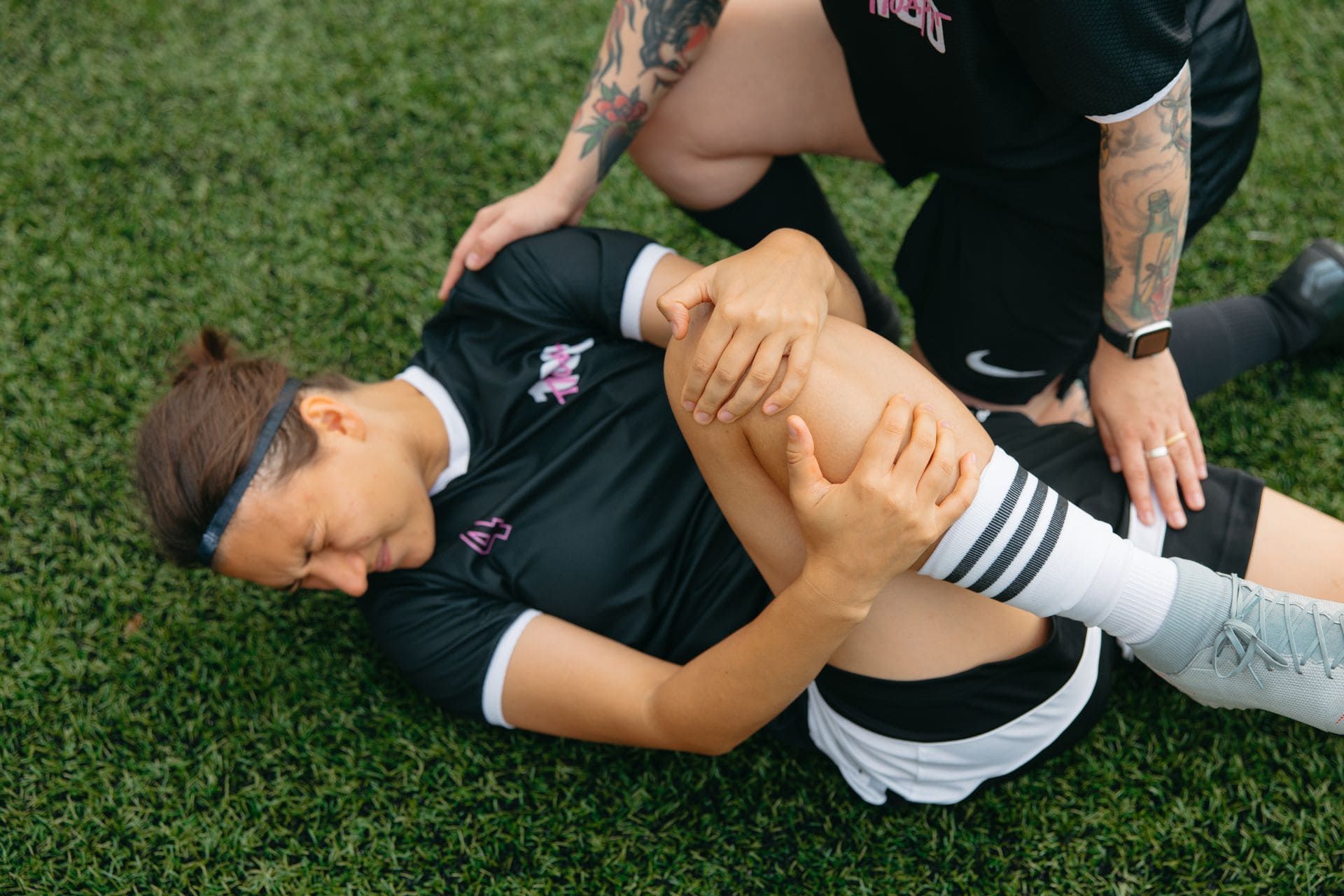
Athletes know the sharp, sudden pain of a sprain or strain can sideline their performance faster than a missed tackle. These soft tissue injuries are among the most common challenges athletes face, affecting muscles, ligaments, and tendons across various sports.
Sprains and strains might sound similar, but they target different body structures. A sprain occurs when ligaments connecting bones stretch or tear, while a strain involves damage to muscles or tendons that connect muscles to bones. The ankle joint represents a critical area for these injuries, with complex ligament networks susceptible to sudden twists and impacts.
Understanding the mechanism of injury helps athletes recognize warning signs. Quick directional changes, sudden stops, landing awkwardly, or receiving direct contact can trigger these painful injuries. Sports like basketball, soccer, football, and volleyball carry higher risks due to rapid movements and physical contact.
Diagnosing these injuries requires careful assessment. Medical professionals evaluate pain intensity, swelling, range of motion, and potential structural damage. Grades range from mild (slight stretching) to severe (complete ligament or muscle tear), each demanding a specific recovery approach.
Recovery strategies focus on reducing inflammation, restoring mobility, and rebuilding strength. Initial treatments typically include rest, ice, compression, and elevation (RICE protocol). Progressive rehabilitation includes gentle stretching, strengthening exercises, and carefully monitored return to activity.
Pro tip: Always warm up thoroughly and incorporate balance training to improve joint stability and reduce injury risk.
2. Identifying Symptoms of Joint Injuries
When it comes to sports injuries, recognizing early warning signs can mean the difference between a quick recovery and a prolonged setback. Joint injuries are complex, requiring athletes to understand the subtle signals their bodies send during distress.
Recognizing joint injury symptoms involves keen observation and understanding of your body’s response to stress. Clinical examinations assess multiple injury indicators, with key symptoms including persistent pain, unexpected swelling, reduced range of motion, and joint instability.
Key Symptoms to Watch
- Immediate Pain : Sharp or persistent discomfort during or after physical activity
- Swelling : Visible inflammation around the injured joint
- Bruising : Discoloration indicating potential tissue damage
- Limited Mobility : Difficulty moving the joint through its normal range of motion
- Joint Instability : Feeling of weakness or giving way when bearing weight
Different sports create unique stress patterns. Basketball players might experience knee joint issues, while tennis athletes often develop elbow problems. Understanding these sport specific risks helps in early detection and prevention.
Imaging techniques like MRI provide detailed insights into soft tissue damage. However, physical assessment remains crucial. Athletes should pay attention to pain patterns, noting whether discomfort increases with specific movements or remains constant.
Pro tip: When experiencing persistent joint pain, document symptoms systematically and consult a sports medicine professional within 48 hours for accurate diagnosis.
3. Protecting Against Muscle Tears and Contusions
Muscle injuries can transform an athlete’s promising season into a frustrating recovery journey. Understanding how to prevent and manage muscle tears and contusions is crucial for maintaining peak performance and avoiding extended time on the sidelines.
What Athletes Need to Know
Muscle Tears occur when muscle fibers are overstretched or forcefully contracted, creating microscopic or complete ruptures. Sports medicine research highlights prevention strategies that can significantly reduce injury risks.
Two primary types of muscle injuries demand different approaches:
-
Muscle Tears • Caused by sudden forceful movements • Often result from inadequate warm up • Range from minor microtears to complete muscle ruptures
-
Muscle Contusions • Caused by direct impact or blunt trauma • Create internal bleeding within muscle tissue • Common in contact sports like football and rugby
Prevention Strategies
• Comprehensive warm up routines • Progressive strength training • Proper stretching techniques • Gradual increase in activity intensity • Using appropriate protective gear • Maintaining muscle flexibility
Recovery requires a systematic approach. The standard RICE protocol (Rest, Ice, Compression, Elevation) remains fundamental. Rehabilitation should focus on restoring muscle strength, improving flexibility, and preventing future injuries.
Pro tip: Invest in regular sports massage and flexibility training to maintain muscle resilience and detect early signs of potential muscle stress.
4. Managing Tendonitis for Lasting Relief
Tendonitis transforms athletes from peak performers to sidelined spectators with remarkable speed. Understanding this inflammatory condition is the first step toward reclaiming your athletic potential.
What Exactly is Tendonitis?
Tendonitis represents an overuse injury where tendons become inflamed from repetitive stress. Chronic tendon conditions require comprehensive management that goes beyond simple rest and ice.
Key Characteristics • Localized pain around joints • Increased discomfort during specific movements • Reduced range of motion • Potential swelling or mild inflammation
Strategic Recovery Approaches
Successful tendonitis management involves a multifaceted strategy:
-
Immediate Load Reduction • Temporarily decrease training intensity • Avoid movements that trigger pain • Allow inflammatory response to subside
-
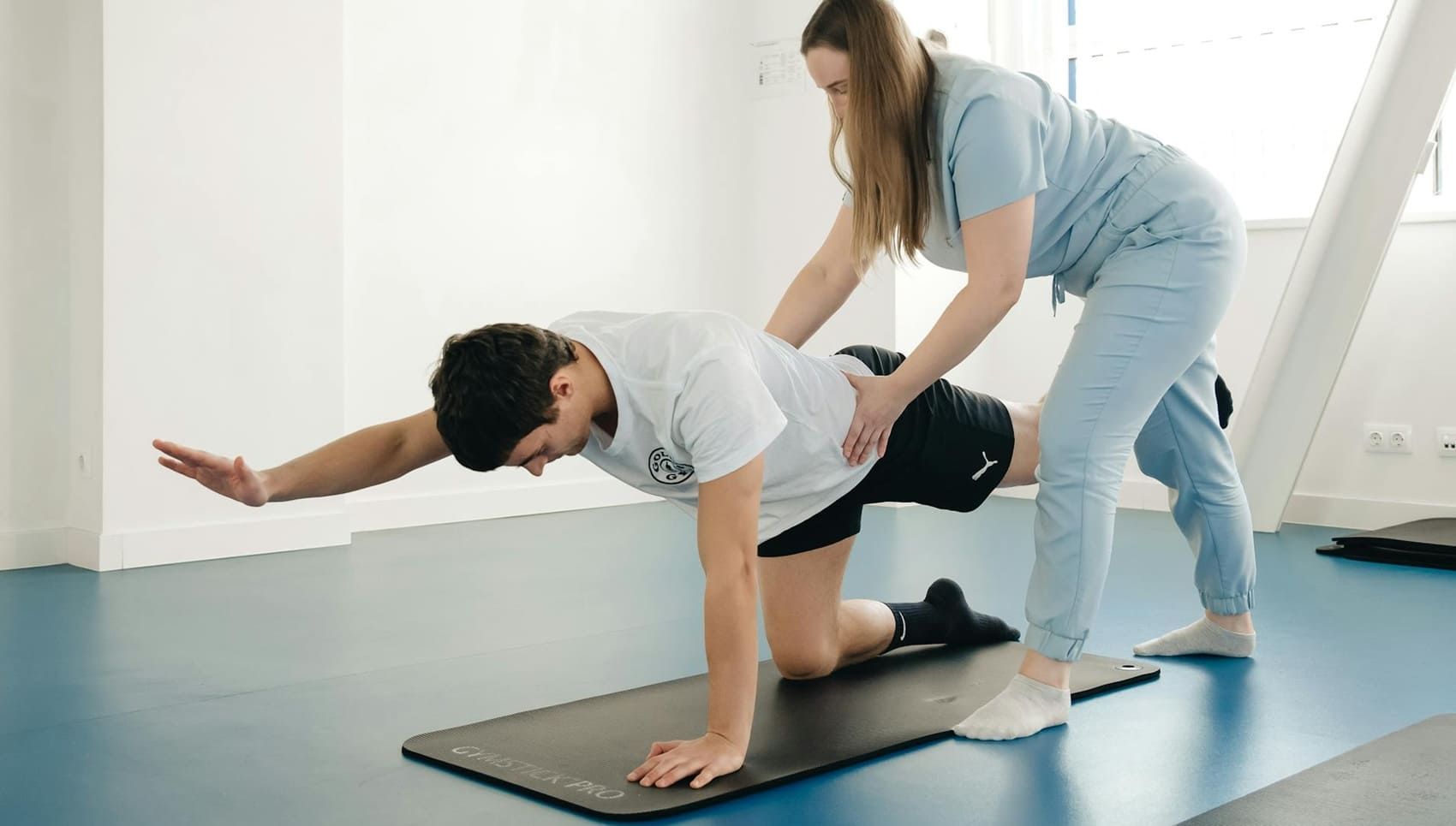
Targeted Physical Therapy • Eccentric strengthening exercises • Gradual flexibility restoration • Biomechanical technique correction
-
Advanced Treatment Options • Platelet-rich plasma injections • Shockwave therapy • Professional sports medicine consultation
Prevention remains more effective than treatment. Athletes should focus on proper training techniques, consistent stretching, and listening to their bodies early warning signals.
Pro tip: Implement a structured warm up routine and progressively increase training intensity to minimize tendon stress and prevent recurring inflammation.
5. Recognizing Concussions and Head Injuries
In the high intensity world of sports, a split second can mean the difference between a minor impact and a potentially career altering brain injury. Understanding concussions is not just about medical knowledge it is about athlete safety.
What Defines a Concussion?
A concussion represents a traumatic brain injury caused by a sudden impact or violent motion that disrupts normal brain function. Immediate symptom recognition remains critical for preventing long term damage and ensuring athlete wellness.
Critical Warning Signs
-
Physical Symptoms • Headache or persistent head pressure • Dizziness and balance problems • Nausea or vomiting • Sensitivity to light and noise
-
Cognitive Indicators • Confusion or memory problems • Difficulty concentrating • Feeling sluggish or foggy • Unusual emotional responses
-
Behavioral Changes • Sleeping more or less than usual • Sudden mood swings • Increased irritability • Anxiety or nervousness
Immediate Action Steps
When a concussion is suspected, remove the athlete from play immediately. Professional medical evaluation is non negotiable. Recovery involves both physical and cognitive rest, with a carefully monitored return to normal activities.
Pro tip: Establish a baseline cognitive assessment for athletes before the season starts to help accurately measure potential concussion impacts.
6. Treating Fractures from Sports Accidents
A single moment of high impact can transform an athlete’s season from promising to paused. Sports fractures represent complex injuries that demand immediate and strategic medical intervention.
Understanding Bone Fractures
Fracture treatment requires comprehensive medical assessment and personalized rehabilitation strategies. These injuries range from hairline cracks to complete bone breaks, each requiring a unique approach.
Types of Sports Fractures
-
Stress Fractures • Tiny cracks from repetitive force • Common in runners and jumpers • Develop gradually with consistent strain
-
Acute Fractures • Sudden breaks from direct impact • Immediate, sharp pain • Visible deformity or swelling
-
Compound Fractures • Bone breaks through skin • Highest risk of infection • Requires emergency medical treatment
Critical Recovery Steps
• Immediate professional medical evaluation • Precise imaging diagnostics • Potential surgical intervention • Immobilization with cast or brace • Progressive rehabilitation program • Strength restoration exercises
Recovery timelines vary based on fracture severity, location, and individual healing capacity. Professional guidance ensures optimal return to athletic performance.
Pro tip: Always obtain a comprehensive medical imaging assessment and follow a structured rehabilitation protocol to prevent future reinjury and ensure complete healing.
7. Building a Personalized Recovery Plan
Recovery is not a one size fits all journey. Every athlete’s body responds differently to injury, demanding a strategic and individualized approach to rehabilitation.
The Anatomy of a Personalized Recovery Strategy
Rehabilitation programs require comprehensive athlete assessment to create targeted healing pathways. Understanding your unique physiology is the foundation of effective recovery.
Recovery Plan Phases
-
Acute Care Stage • Immediate injury management • Reduce inflammation • Prevent further damage • Pain control techniques
-
Range of Motion Restoration • Gentle mobility exercises • Progressive stretching • Joint flexibility assessment • Preventing muscle atrophy
-
Strength Rebuilding • Targeted muscle conditioning • Resistance training • Sport specific exercises • Gradual intensity progression
-
Performance Reintegration • Sport specific skill drills • Comprehensive fitness evaluation • Confidence rebuilding • Risk assessment for future injuries
Key Considerations
• Individual injury characteristics • Athletic performance goals • Current fitness level • Psychological readiness • Professional medical guidance
Successful recovery requires patience, commitment, and a holistic approach that addresses physical and mental aspects of healing.
Pro tip: Document your recovery progress meticulously and maintain open communication with healthcare professionals to ensure your personalized plan remains adaptive and effective.
Below is a comprehensive table summarizing key concepts covered throughout the article about sports-related injuries and their management strategies.
| Topic | Description | Key Takeaways |
|---|---|---|
| Sprains and Strains | Soft tissue injuries affecting ligaments, muscles, and tendons. | RICE protocol and progressive rehabilitation are essential for recovery. |
| Joint Injury Symptoms | Indicators such as pain, swelling, and limited mobility. | Early detection minimizes prolonged setbacks. |
| Muscle Tears and Contusions | Injuries stemming from overstretching or direct trauma. | Warm-ups and flexibility training can prevent these injuries. |
| Tendonitis | Inflammation of tendons due to overuse. | Strategic recovery encompasses load reduction and physical therapy. |
| Concussions and Head Injuries | Traumatic brain injuries marked by physical, cognitive, and behavioral changes. | Immediate removal from play and professional assessment are critical. |
| Fractures | Bone breaks categorized as stress, acute, or compound fractures. | Recovery involves structured rehabilitation and imaging diagnostics. |
| Personalized Recovery Plans | Tailored approaches to rehabilitation for athletes. | Combining physical, mental, and professional guidance ensures effective recovery. |
Take Control of Your Sports Injury Recovery with Expert Chiropractic Care
Facing a sprain, strain, or muscle tear can be frustrating and painful. Whether you are dealing with tendonitis flare ups or recovering from a concussion, the journey back to full strength requires personalized, targeted care. At Essential ChiroCare, we understand the complexity of sports injuries including joint instability and fractures. Our holistic approach addresses the root causes to speed up healing, reduce inflammation, and restore your mobility so you can reclaim peak performance sooner.
Do not let pain or injury hold you back any longer. Discover how our tailored rehabilitation programs and skilled chiropractic adjustments can help you recover smartly and safely. Visit Essential ChiroCare today to schedule your consultation. Learn more about our comprehensive sports injury treatments and start your personalized recovery plan now.
Frequently Asked Questions
What are the most common types of sports injuries?
Sports injuries often include sprains, strains, tendonitis, muscle tears, and fractures. Familiarize yourself with these injuries to improve awareness and prevention strategies during training.
How can I recognize early symptoms of a joint injury?
Look for signs such as immediate pain, swelling, bruising, and limited mobility around the joint. If you notice these symptoms, take immediate action by resting the joint and consulting a healthcare professional if symptoms persist.
What steps should I take to manage tendonitis effectively?
Begin by reducing the load on the affected tendon to allow inflammation to subside. Implement targeted physical therapy focusing on eccentric strengthening exercises and gradually restore flexibility to enhance recovery.
How do I create a personalized recovery plan for sports injuries?
Develop a recovery plan by assessing your specific injury, fitness level, and performance goals. Include structured phases like acute care, range of motion restoration, strength rebuilding, and performance reintegration to ensure effective rehabilitation.
When is it necessary to seek medical help for a sports injury?
You should seek medical help if you experience severe pain, swelling, or if the injury prevents you from using the affected area normally. Conduct a thorough evaluation as soon as possible to allow for proper diagnosis and treatment.
How can I prevent re-injury after recovering from a sports injury?
Focus on maintaining strength, flexibility, and proper training techniques to minimize the risk of re-injury. Incorporate regular warm-ups, balance training, and continued monitoring of any unusual pain or discomfort during activities.
Recommended