

Role of Chiropractic in Recovery – Key Benefits Explained
More than 35 million American adults seek chiropractic care each year, spotlighting the growing demand for effective recovery solutions. When pain keeps you from daily activities or slows your healing, finding a safe and proven approach matters. This overview clarifies what chiropractic care truly means and reveals how tailored strategies can help you regain movement, ease discomfort, and support your path to long-term wellness.
Table of Contents
Key Takeaways
| Point | Details |
|---|---|
| Chiropractic Care Focus | Chiropractic care targets mechanical disorders of the musculoskeletal system through manual adjustments and holistic treatment plans. |
| Range of Conditions Treated | A variety of conditions, including low back pain, neck pain, and sports injuries, can be effectively managed with chiropractic techniques. |
| Personalized Treatment Approach | Comprehensive evaluations lead to tailored treatment plans that address individual needs and promote long-term health. |
| Holistic and Integrative Methods | Chiropractic care offers a non-invasive alternative to conventional therapies, emphasizing the importance of nervous system function and overall wellness. |
Defining Chiropractic Care for Recovery
Chiropractic care represents a specialized healthcare approach focused on diagnosing and treating mechanical disorders of the musculoskeletal system. According to Merriam-Webster’s medical definition , chiropractic is a noninvasive therapy system targeting mechanical disorders of the spine and musculoskeletal structure, with a core belief that these disorders significantly impact overall health through nervous system interactions.
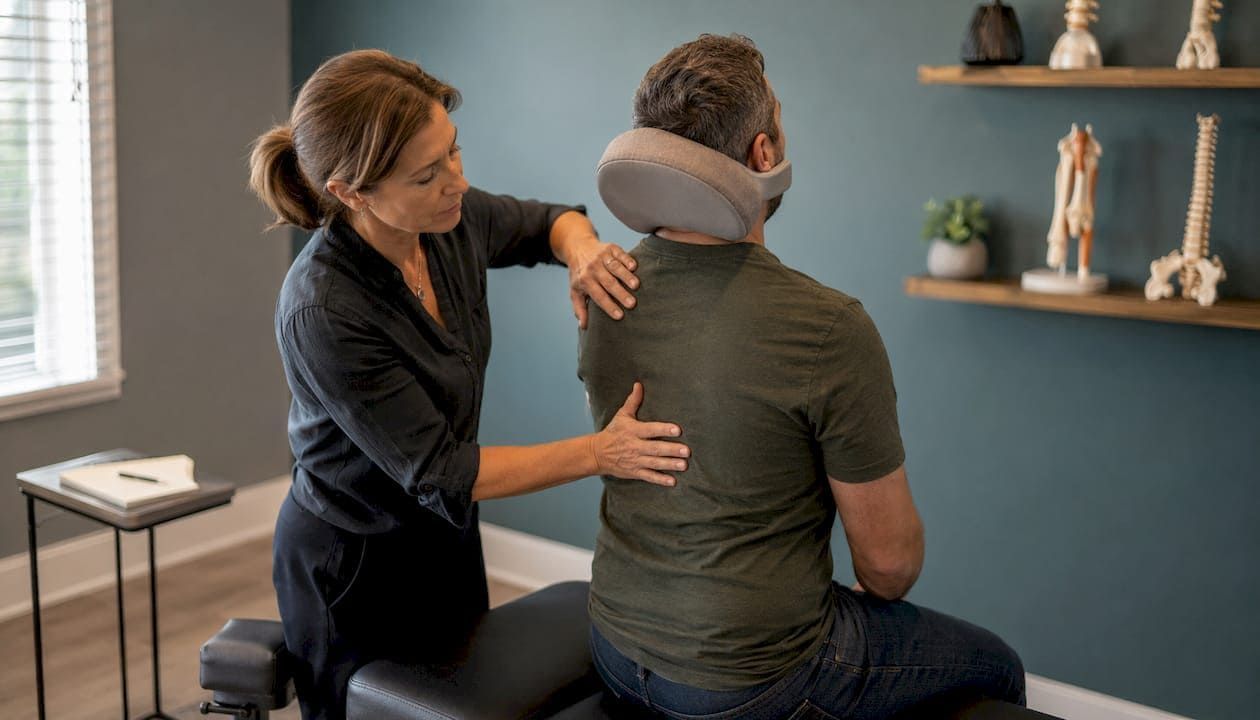
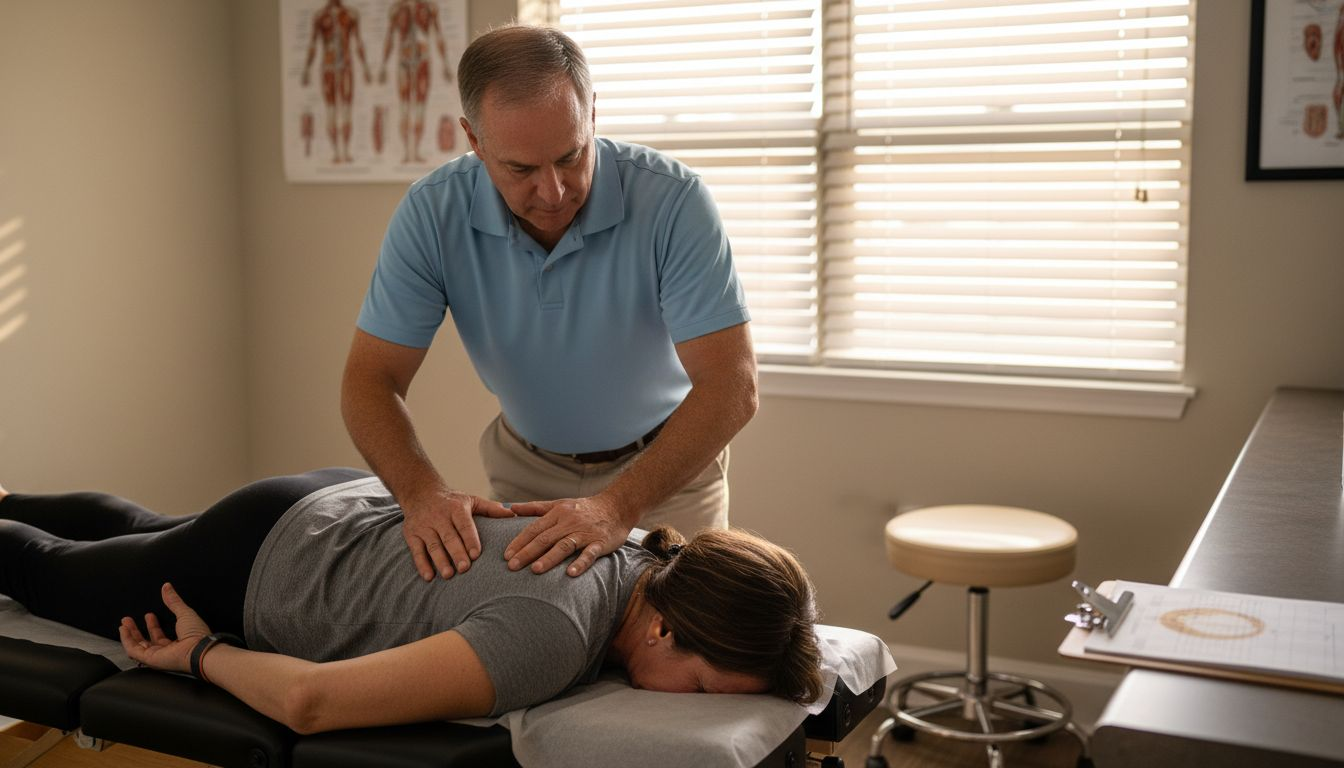
At its core, chiropractic treatment centers on manual adjustments and manipulations designed to restore proper alignment, reduce pain, and enhance bodily function. Practitioners use precise hand techniques to adjust spinal vertebrae, aiming to alleviate nerve interference, improve joint mobility, and support the body’s natural healing processes. These adjustments can help address a wide range of conditions, from acute sports injuries to chronic pain syndromes, by targeting the root biomechanical issues causing discomfort.
Chiropractic recovery strategies go beyond simple spinal manipulation. Practitioners often incorporate comprehensive treatment plans that may include physical rehabilitation exercises, soft tissue therapy, ergonomic recommendations, and lifestyle counseling. By addressing structural imbalances and promoting optimal nervous system function, chiropractic care for auto injuries can accelerate healing and prevent long-term complications from accidents or chronic musculoskeletal conditions.
Here’s how common chiropractic techniques support musculoskeletal recovery:
| Technique | Primary Benefit | Typical Conditions Addressed |
|---|---|---|
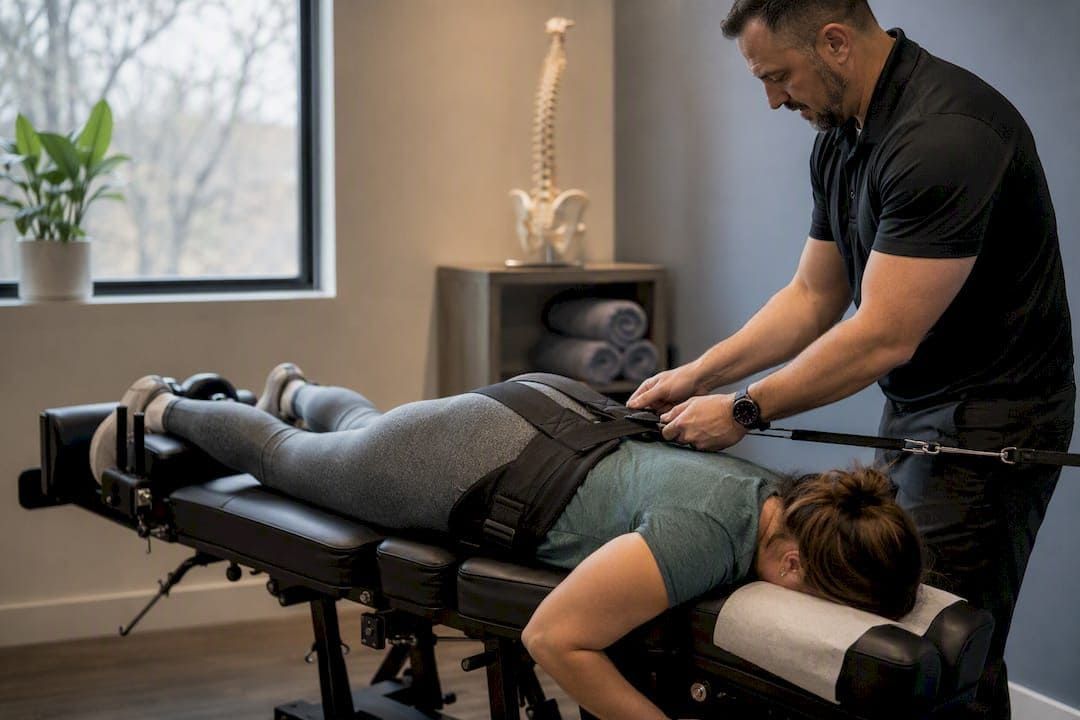
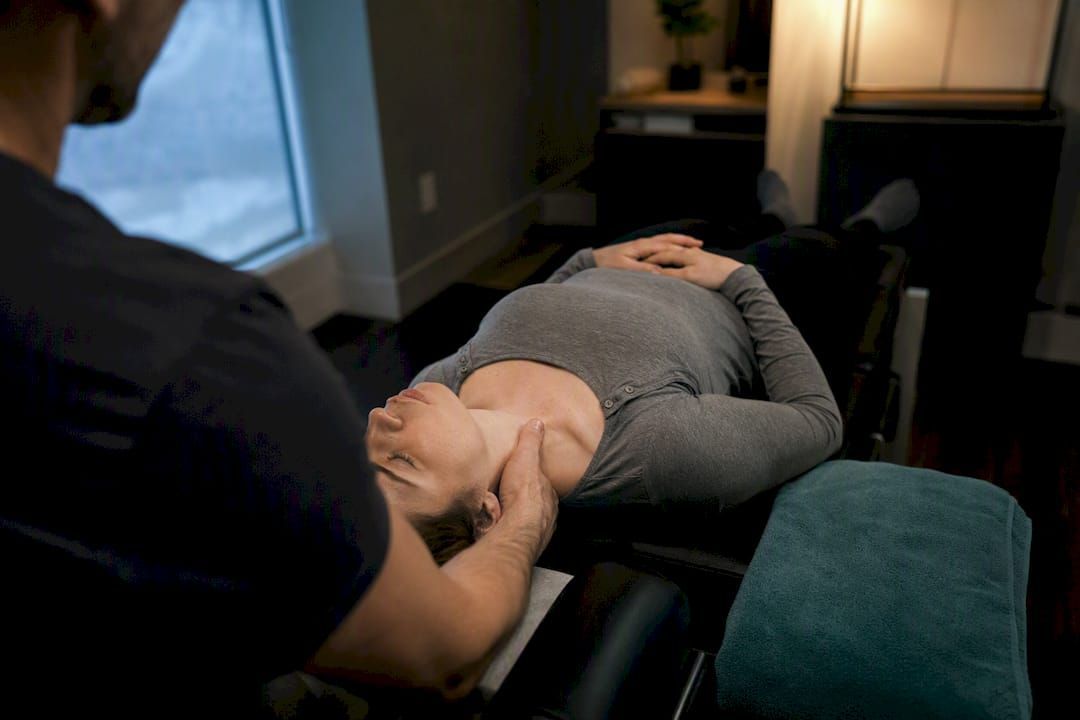
| Spinal Adjustment | Restores alignment, reduces pain | Low back pain, neck pain |
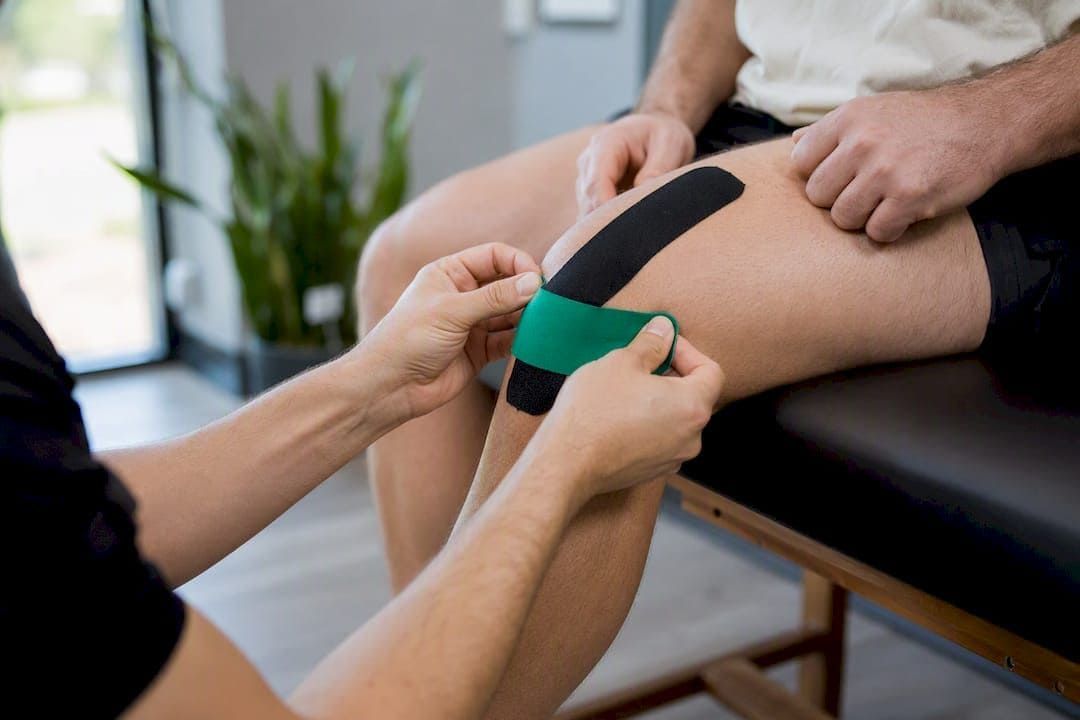
| Soft Tissue Therapy | Enhances muscle flexibility | Sports injuries, strains |
| Physical Rehabilitation | Improves strength, mobility | Accident recovery, chronic pain |
| Ergonomic Counseling | Reduces repetitive strain | Work-related disorders, postural issues |
Pro Recovery Tip : Always consult a licensed chiropractor who can perform a comprehensive assessment and develop a personalized treatment plan tailored to your specific musculoskeletal needs and recovery goals.
Common Conditions Treated With Chiropractic
Chiropractors specialize in treating a diverse range of musculoskeletal conditions, with research from biomedical complementary medicine therapies highlighting their expertise in addressing common pain-related disorders. Low back pain , neck pain , and headache disorders represent the most frequently treated conditions, utilizing advanced techniques like high-velocity, low-amplitude adjustments and targeted soft tissue therapies.
Beyond these primary issues, chiropractic care effectively manages a spectrum of musculoskeletal challenges. How chiropractic methods can treat chronic back pain demonstrates the nuanced approach practitioners take in addressing complex pain syndromes. Conditions such as sciatica, herniated discs, sports injuries, repetitive strain injuries, and postural misalignments respond particularly well to specialized chiropractic interventions. These treatments aim to restore proper joint function, reduce inflammation, and promote natural healing processes.
While many patients initially seek chiropractic care for pain management, the therapeutic benefits extend far beyond symptom relief. Chiropractors employ holistic strategies that address underlying biomechanical imbalances, helping patients improve overall mobility, prevent future injuries, and enhance physical performance. Pregnant women, athletes, office workers experiencing repetitive strain, and individuals recovering from accidents can all benefit from targeted chiropractic treatments that restore structural integrity and nervous system function.
Pro Recovery Tip : Schedule a comprehensive initial assessment with a licensed chiropractor to develop a personalized treatment plan that addresses your specific musculoskeletal health needs and recovery goals.
How Chiropractic Supports Physical Rehabilitation
Physical rehabilitation is a complex process that requires a multifaceted approach, and chiropractic care plays a critical role in supporting recovery. Chiropractic adjustments aim to realign the spine and reduce pain , complementing traditional medical treatments by improving joint function and overall mobility. These specialized interventions help patients restore structural balance, reduce inflammation, and accelerate healing across multiple body systems.
Chiropractors employ a comprehensive range of techniques to support rehabilitation efforts. Physical rehab services typically incorporate advanced methods like electrical stimulation, targeted manual manipulations, soft tissue therapies, and strategic relaxation techniques. These interventions are particularly effective for patients recovering from sports injuries, accident-related trauma, and chronic musculoskeletal conditions. By addressing biomechanical imbalances and nerve system disruptions, chiropractors help patients regain strength, flexibility, and functional movement patterns.
The integration of chiropractic care with traditional rehabilitation approaches offers patients a holistic recovery strategy. Practitioners collaborate with physical therapists and medical professionals to develop comprehensive treatment plans that address both immediate symptoms and underlying structural issues. This approach is especially beneficial for athletes, workplace injury survivors, and individuals managing chronic pain conditions. By focusing on root causes rather than just symptomatic treatment, chiropractic care supports long-term healing and prevents future injuries.
Pro Recovery Tip : Communicate openly with your healthcare providers about your complete medical history and current rehabilitation goals to ensure a synchronized, personalized approach to your recovery journey.
Personalized Treatment Plans and Holistic Approach
Comprehensive chiropractic evaluations represent a sophisticated approach to understanding individual patient needs, focusing on detailed assessments of spine alignment, posture, and nervous system function. Chiropractors meticulously analyze each patient’s unique physical characteristics, health history, and specific conditions to develop tailored treatment strategies. This individualized methodology ensures that interventions are precisely calibrated to address the root causes of pain and dysfunction, rather than applying generic treatment protocols.
The holistic nature of chiropractic care extends far beyond traditional symptom management. Chiropractic adjustments utilize advanced manual techniques and specialized instruments to manipulate joints, correct body alignment, and support comprehensive physical restoration. Practitioners consider multiple factors including age, existing health conditions, lifestyle patterns, and long-term wellness goals when designing treatment plans. This approach allows for dynamic, adaptable interventions that evolve alongside the patient’s recovery trajectory.
Personalized treatment plans typically incorporate a multidimensional strategy that combines manual adjustments, rehabilitative exercises, nutritional guidance, and lifestyle recommendations. By addressing biomechanical imbalances through targeted interventions, chiropractors help patients not only recover from current conditions but also prevent future injuries. The goal is to empower patients with tools and insights that promote sustained health, enhanced physical performance, and improved overall quality of life. This comprehensive approach distinguishes chiropractic care as a proactive, patient-centered healthcare modality.
Pro Recovery Tip : Request a comprehensive initial assessment that explores your complete health history, allowing your chiropractor to develop a truly personalized treatment approach tailored to your specific wellness objectives.
Comparing Chiropractic With Conventional Therapies
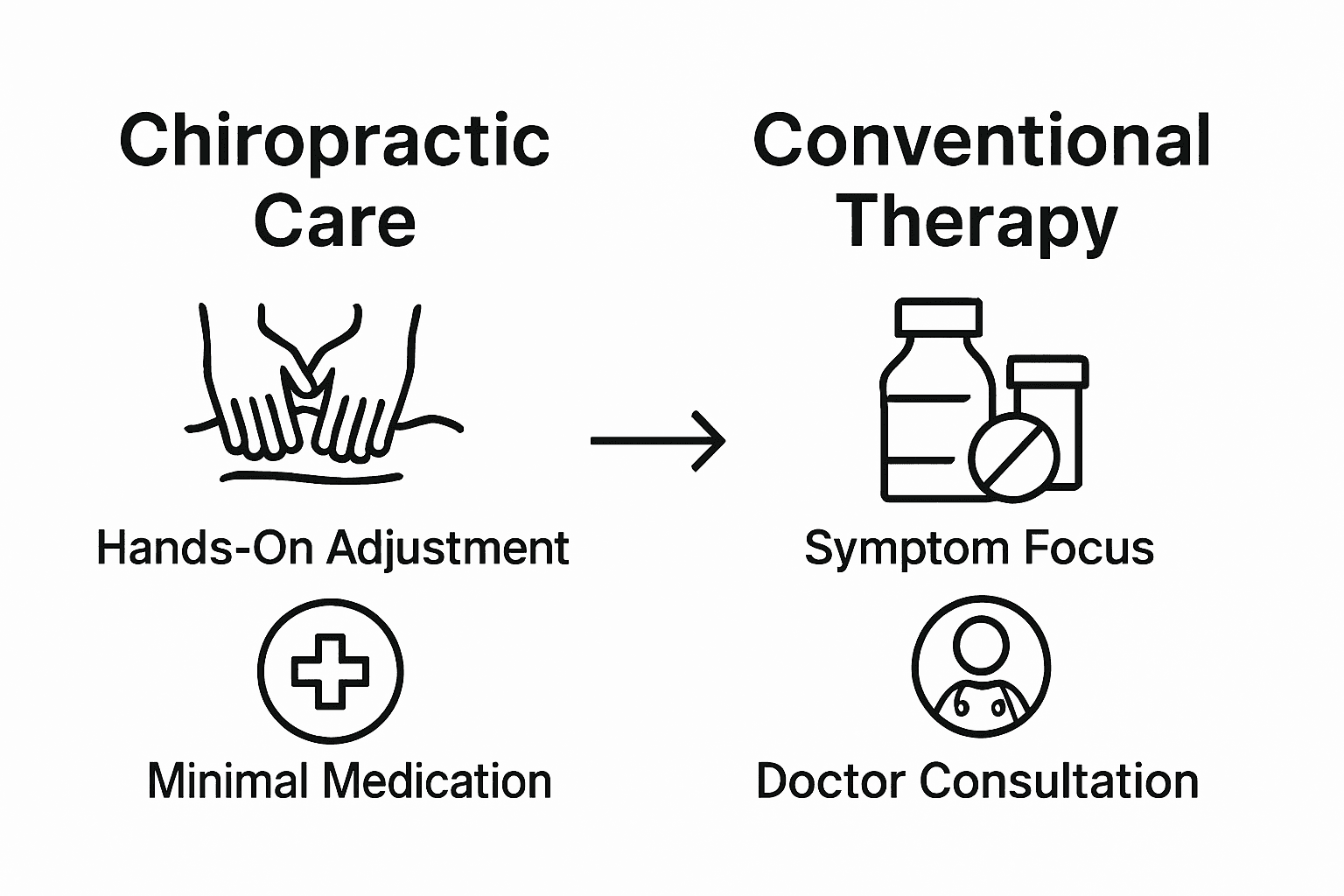
Chiropractic techniques offer a distinct alternative to conventional medical treatments, emphasizing non-invasive, holistic approaches to healing and pain management. Unlike traditional medical interventions that often rely on pharmaceutical treatments or surgical procedures, chiropractic care focuses on addressing the root biomechanical causes of pain and dysfunction. This approach differs fundamentally from conventional therapies by treating the entire musculoskeletal system as an interconnected network, rather than targeting isolated symptoms.
Conventional medical treatments typically emphasize symptom management through medication, which can provide temporary relief but may not resolve underlying structural issues. Treatment options after an accident demonstrate the key differences between these approaches. Chiropractic care employs hands-on techniques like high-velocity, low-amplitude adjustments and soft tissue therapies that directly manipulate the spine and joints, promoting natural healing processes. Physical therapy often uses similar rehabilitation techniques, but chiropractic methods uniquely focus on nervous system function and spinal alignment as central to overall health.
The complementary nature of chiropractic care becomes particularly evident in cases of chronic pain, sports injuries, and post-accident recovery. While conventional treatments might prescribe rest, medication, or invasive procedures, chiropractors develop comprehensive treatment plans that integrate manual adjustments, rehabilitative exercises, lifestyle recommendations, and nutritional guidance. This holistic approach aims to not just treat symptoms, but to restore optimal body function, improve mobility, and prevent future injuries. Patients often find that chiropractic care provides a more proactive, patient-centered approach to healthcare compared to traditional medical interventions.
This table compares chiropractic care and conventional therapies for musculoskeletal health:
| Aspect | Chiropractic Care | Conventional Therapy |
|---|---|---|
| Approach | Non-invasive, manual adjustments | Medication, surgery, physical therapy |
| Focus | Root cause and structural alignment | Symptom management |
| Patient Involvement | Active role, lifestyle changes | Often passive, less lifestyle focus |
| Goal | Restore function, prevent future injury | Short-term relief, manage symptoms |
Pro Recovery Tip : Request a comprehensive comparison of treatment approaches from your healthcare providers, ensuring you understand the unique benefits and potential limitations of both conventional and chiropractic therapies for your specific condition.
Discover How Chiropractic Care Accelerates Your Recovery Journey
Struggling with persistent back pain, sports injuries, or discomfort from an auto accident can feel overwhelming. The article highlights the critical role of chiropractic adjustments and holistic treatments in addressing these root causes of pain by restoring spinal alignment and improving nervous system function. If you want to move beyond temporary symptom relief and achieve lasting wellness, embracing personalized chiropractic care is key.
At Essential ChiroCare, our expert doctors specialize in comprehensive treatment plans that combine manual therapy, physical rehabilitation, and focused care for conditions like sciatica, whiplash, and joint pain. Serving communities across West Central Florida, we understand the unique challenges of recovery and provide hands-on support tailored to your needs. Take control of your healing today by scheduling a consultation at Essential ChiroCare. Learn how targeted chiropractic care can reduce pain, restore function, and help you return to the activities you love. Visit our recovery services to start your path to better health now.
Frequently Asked Questions
What is chiropractic care?
Chiropractic care is a specialized healthcare approach focused on diagnosing and treating mechanical disorders of the musculoskeletal system, primarily through manual adjustments and manipulations to restore alignment and reduce pain.
How does chiropractic care aid in recovery from injuries?
Chiropractic care aids recovery by using techniques such as spinal adjustments, soft tissue therapy, and personalized rehabilitation plans to restore structural balance, reduce inflammation, and promote the body’s natural healing processes.
What types of conditions can chiropractic treatment address?
Chiropractors can effectively address a wide range of conditions, including low back pain, neck pain, headaches, sciatica, sports injuries, and postural misalignments, among others.
How does chiropractic care compare to conventional medical treatments?
Chiropractic care focuses on treating the root causes of pain and dysfunction through non-invasive methods, while conventional treatments often rely on medication and surgery. Chiropractic approaches emphasize holistic healing and long-term wellness rather than just symptom management.
Recommended