


Why Holistic Pain Relief Matters for Lasting Wellness

Essential ChiroCare Blogger • December 17, 2025

Why Holistic Pain Relief Matters for Lasting Wellness

holistic pain relief

Over half of American adults report turning to alternative therapies for pain relief at some point. Many discover that conventional treatments may bring only short-term results, driving the need for deeper solutions. By exploring holistic approaches that address the entire body and mind, people across the United States can tap into methods that nurture lasting recovery, reduce dependence on medication, and support true well-being.

Table of Contents

Key Takeaways

Point Details
Holistic Pain Management Focus Holistic approaches treat the entire person, addressing physical, mental, and emotional factors rather than just symptoms.
Integration of Therapies Combining various therapeutic methods, such as acupuncture and mindfulness, promotes comprehensive pain relief and empowers patient engagement in their healing.
Long-Term Benefits These methods aim for sustainable wellness and improved quality of life, often resulting in fewer side effects compared to conventional treatments.
Critical Practitioner Evaluation Patients should ensure practitioners are properly trained and maintain open communication with all healthcare providers to maximize treatment effectiveness.

Defining Holistic Pain Relief Approaches

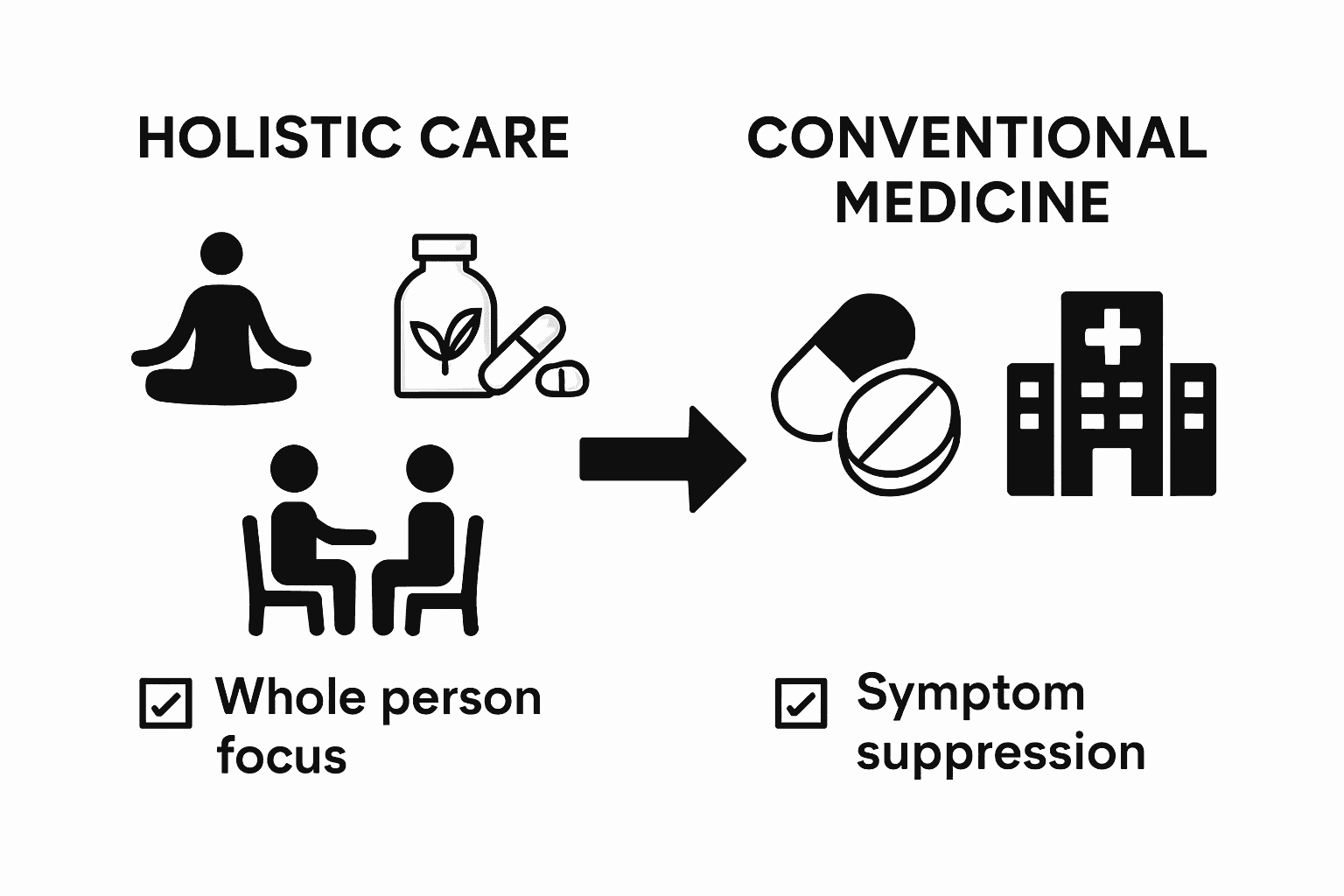
Holistic pain relief represents a comprehensive approach to addressing physical discomfort by treating the entire person rather than just isolated symptoms. Unlike traditional medical interventions that often focus narrowly on symptom suppression, holistic methods aim to restore balance and promote natural healing across physical, mental, and emotional dimensions. Alternative healing strategies encompass a range of techniques designed to enable the body’s inherent capacity for self-repair and wellness.

These approaches typically integrate multiple therapeutic modalities, recognizing that pain emerges from complex interactions between physiological systems. Practitioners utilize techniques like acupuncture, massage therapy, chiropractic adjustments, nutritional counseling, stress management, and mind-body practices to address root causes of discomfort. The goal is not merely temporary relief but sustainable wellness that empowers individuals to understand and actively participate in their healing process.

Key components of holistic pain relief include identifying underlying inflammation triggers, supporting natural healing mechanisms, and developing personalized treatment strategies. By considering factors such as lifestyle, emotional health, nutritional status, and biomechanical alignment, holistic practitioners create comprehensive recovery plans. This approach acknowledges that chronic pain often results from interconnected physical and psychological factors, requiring nuanced, patient-centered interventions.

Pro Tip: Start your holistic healing journey by maintaining a detailed pain and wellness journal, tracking symptoms, potential triggers, dietary patterns, stress levels, and treatment responses to help healthcare providers develop more targeted, personalized pain management strategies.

Types of Holistic Pain Management Methods

Holistic pain management encompasses a diverse array of therapeutic approaches that address pain through comprehensive, interconnected strategies. Traditional and complementary therapies offer patients multiple pathways to manage discomfort and promote healing, moving far beyond traditional pharmaceutical interventions.

Mind-body techniques form a critical component of holistic pain management. These methods include practices like mindfulness meditation, cognitive-behavioral therapy, and stress reduction techniques that help patients reframe their pain experience. Physical therapies such as acupuncture, massage, and chiropractic adjustments work directly on the body’s musculoskeletal system, addressing structural imbalances and promoting natural healing mechanisms. Movement-based practices like yoga and tai chi integrate physical movement with mental focus, helping patients develop greater body awareness and resilience.

holistic pain management

Each holistic pain management method targets pain through unique mechanisms. Acupuncture stimulates specific nerve points to reduce inflammation, massage therapy releases muscle tension, herbal medicine supports cellular repair, and mindfulness practices help modulate pain perception. These approaches recognize that pain is a complex experience influenced by physical, emotional, and psychological factors. By integrating multiple therapeutic modalities, patients can develop more comprehensive and personalized pain management strategies that address root causes rather than merely masking symptoms.

Here’s a concise comparison of key holistic pain management methods and their primary effects:

Method Main Focus Typical Benefit
Acupuncture Nerve stimulation Reduced inflammation
Massage Therapy Muscle relaxation Less muscle tension
Chiropractic Adjustments Structural alignment Improved mobility
Mindfulness Meditation Emotional balance Better pain perception
Yoga/Tai Chi Movement and awareness Increased resilience
Nutritional Counseling Diet optimization Enhanced healing capacity

Pro Tip: Explore Multiple Methods: Experiment with different holistic pain management techniques under professional guidance, keeping a detailed journal to track which approaches provide the most effective relief for your unique pain experience.

Key Benefits Over Conventional Treatments

Holistic pain management approaches represent a transformative alternative to traditional medical interventions, offering profound advantages that extend far beyond symptom suppression. Avoiding side effects from prescribed medications stands as a critical benefit, particularly for patients who have struggled with the long-term consequences of pharmaceutical treatments such as opioids. By focusing on enabling the body’s natural healing mechanisms, these approaches prioritize sustainable wellness over temporary relief.

Compared to conventional treatments, holistic methods provide a multidimensional approach to pain management. Integrative health therapies like tai chi, acupuncture, and mindfulness address pain through comprehensive strategies that consider physical, emotional, and psychological factors. Unlike pharmaceutical interventions that often mask symptoms, these approaches aim to identify and treat root causes, promoting long-term healing and improved overall quality of life. This method empowers patients to actively participate in their recovery process, developing greater body awareness and resilience.

The benefits of holistic pain management extend beyond immediate symptom relief. These approaches typically support whole-body wellness by improving circulation, reducing inflammation, enhancing mental clarity, and strengthening the body’s natural defense mechanisms. Patients often report not just reduced pain, but improved sleep, increased energy levels, better stress management, and a more positive outlook on their health journey. By treating the entire person rather than isolated symptoms, holistic methods create a more comprehensive and personalized path to healing.

natural pain relief methods

The following table highlights how holistic and conventional pain management differ across key dimensions:

Aspect Holistic Approach Conventional Approach
Treatment Focus Whole-person wellness Symptom suppression
Typical Interventions Integrative therapies Pharmaceuticals, procedures
Side Effects Usually minimal Risk of adverse reactions
Patient Involvement Active participant Often passive role
Outcome Duration Aims for long-term relief Often temporary relief

Pro Tip: Holistic Healing Approach: Consult with healthcare professionals who specialize in integrative medicine to develop a personalized pain management strategy that combines multiple therapeutic modalities tailored to your unique physiological and psychological needs.

Role of Chiropractic Care in Recovery

Diagnosing and treating musculoskeletal disorders represents the cornerstone of chiropractic care, with practitioners focusing intensely on understanding how spinal alignment impacts overall physical wellness. Chiropractors approach recovery as a holistic process, recognizing that proper biomechanical function is essential for the body’s natural healing mechanisms. By employing precise manual adjustments, they aim to restore optimal nervous system communication and address underlying structural imbalances that contribute to pain and reduced mobility.

Research demonstrates chiropractic interventions can be particularly effective for managing specific conditions like low back pain, neck discomfort, and chronic headaches. Non-invasive treatment strategies offer patients an alternative to traditional medical approaches, emphasizing gentle manipulation techniques that support the body’s inherent ability to heal. These methods go beyond temporary symptom relief, targeting root causes of musculoskeletal dysfunction through comprehensive assessment and personalized treatment plans.

Chiropractic care extends its recovery benefits by addressing interconnected body systems. Practitioners understand that spinal misalignments can create cascading effects throughout muscle groups, joints, and neurological pathways. By realigning the spine and improving joint mobility, chiropractors help patients restore proper movement patterns, reduce inflammation, and enhance overall biomechanical efficiency. This approach supports not just pain reduction, but long-term functional improvement and preventative wellness.

Pro Tip: Recovery Roadmap: Document your physical symptoms, movement limitations, and pain levels before starting chiropractic treatment, allowing your practitioner to track your progress and customize your recovery strategy effectively.

Avoiding Common Mistakes With Holistic Care

Ensuring practitioners are properly trained and licensed represents the foundational first step in navigating holistic healthcare effectively. Many patients make critical errors by assuming all alternative treatment providers have equivalent qualifications. In reality, comprehensive holistic care requires practitioners with rigorous training, verifiable credentials, and a deep understanding of both alternative and conventional medical approaches. Patients should always verify professional certifications, research practitioners’ backgrounds, and confirm their commitment to evidence-based methodologies.

One of the most significant mistakes patients make involves completely abandoning conventional medical treatments in favor of alternative approaches. Integrating holistic therapies with traditional medical care provides the most comprehensive path to wellness. This means maintaining open communication between all healthcare providers, sharing treatment plans, and ensuring that alternative therapies complement rather than replace essential medical interventions. Patients should never stop prescribed medications or discontinue critical treatments without professional medical consultation.

Critical thinking and realistic expectations are paramount when exploring holistic care options. Not every alternative therapy will work for every individual, and patients must approach these treatments with a balanced perspective. Some holistic methods lack extensive scientific validation, and while they may offer benefits, they should not be viewed as miraculous solutions. Patients should request evidence of treatment effectiveness, understand potential limitations, and maintain a collaborative relationship with healthcare providers who can offer objective guidance and monitor overall health progress.

Pro Tip: Provider Verification: Always request credentials, professional certifications, and patient testimonials from holistic healthcare providers, and cross-reference their professional background with recognized medical boards and professional associations.

Experience True Holistic Pain Relief with Essential ChiroCare

If you are struggling with chronic pain or recovering from an injury, you understand how complex and overwhelming the journey to lasting wellness can be. This article highlights how holistic pain relief focuses on treating the whole person—not just the symptoms—by addressing root causes like inflammation, emotional balance, and biomechanical alignment. At Essential ChiroCare, we specialize in personalized chiropractic care that mirrors these principles to help you regain strength, mobility, and peace of mind.

Discover how our expert team combines chiropractic adjustments, manual therapy, and physical rehabilitation to provide comprehensive care tailored to your unique needs. Don’t settle for temporary fixes when you can embrace a proven, patient-centered approach in West Central Florida. Take the first step toward lasting wellness by scheduling your consultation today at Essential ChiroCare. Learn more about our holistic services that support recovery from auto and personal injury or find relief for back, joint, and sciatica pain. Your body deserves care that works with its natural healing power.

Frequently Asked Questions

What is holistic pain relief?

Holistic pain relief refers to a comprehensive approach that treats the entire person, addressing physical, emotional, and mental aspects rather than just suppressing isolated symptoms.

How does chiropractic care contribute to holistic pain management?

Chiropractic care focuses on diagnosing and treating musculoskeletal disorders, aiming to restore spinal alignment and improve overall body function, which supports natural healing processes and reduces pain.

What are some common holistic pain management methods?

Common holistic pain management methods include acupuncture, massage therapy, chiropractic adjustments, mindfulness meditation, yoga, and nutritional counseling, each addressing pain through unique therapeutic approaches.

Why should I consider holistic pain relief over conventional treatments?

Holistic pain relief emphasizes sustainable wellness by addressing root causes and promoting self-healing, often providing greater long-term benefits and minimizing reliance on pharmaceuticals with potential side effects.

Recommended

Doctor showing patient spine models in office with city view.
By Essential ChiroCare Blogger December 22, 2025
Chiropractic terms explained for patients: learn core terminology, treatment types, adjustment techniques, and how these shape your care experience.
role of chiropractic in recovery
By Essential ChiroCare Blogger December 19, 2025
Discover the role of chiropractic in recovery, including pain relief methods, injury rehabilitation, personalized care strategies, and alternative treatment options.
Pediatric Chiropractic
By Essential ChiroCare Blogger December 18, 2025
Discover how a pediatric chiropractor in Tampa supports your child's spine health, enhancing comfort and activity with gentle techniques. Keep reading!
auto injury chiropractic
By Essential ChiroCare Blogger December 18, 2025
Auto injury chiropractic helps restore mobility, reduce pain, and speed recovery after accidents. Learn about treatments, benefits, and key safety considerations.
chiropractic techniques
By Essential ChiroCare Blogger December 16, 2025
Chiropractic techniques explained—types, how they work, safety, effectiveness, and alternatives. Learn what to expect from expert care for pain relief.
Workplace Injuries
By Essential ChiroCare Blogger December 15, 2025
Discover how a work injury chiropractor in Tampa offers holistic care to alleviate pain and promote long-term health and wellness. Continue reading on!
chiropractic care checklist
By Essential ChiroCare Blogger December 15, 2025
Discover the 7 must-have steps in a chiropractic care checklist. Learn how to get the most from treatment and improve pain relief and recovery.
Headache
By Essential ChiroCare Blogger December 14, 2025
Discover how a headache treatment chiropractor in Sarasota can provide relief and enhance well-being with personalized care and spine health focus. Read on!
Joint Health
By Essential ChiroCare Blogger December 14, 2025
Struggling with joint pain in Tampa's winter humidity? Discover ways a joint pain chiropractor in Tampa can help improve mobility and comfort. Keep reading!
questions to ask a chiropractor
By Essential ChiroCare Blogger December 14, 2025
Learn the top 7 essential questions to ask chiropractors before treatment. Discover how these questions help you choose the right care and boost your wellness journey.
Show More