
Personal Injury Recovery Steps for Fast Pain Relief

Essential ChiroCare Blogger • December 24, 2025

Personal Injury Recovery Steps for Fast Pain Relief

personal injury recovery steps

Most American adults will face some form of injury that disrupts daily life and leaves lasting pain, with musculoskeletal issues ranking among the most common. If you are navigating recovery in West Central Florida after a personal injury, the right chiropractic approach can make a dramatic difference. This guide shows you step by step how to document your injury, connect with trusted healthcare professionals, and set clear goals for chiropractic rehabilitation so you can regain confidence in your body.

Table of Contents

Quick Summary

Key Point Explanation
1. Assess Injury Severity Early Obtain thorough medical evaluations and records to document injury severity for future claims and treatments.
2. Consult Healthcare Professionals Regularly Schedule appointments with your primary care physician and specialists to ensure an accurate diagnosis and treatment plan.
3. Create a Personalized Recovery Plan Collaborate with your chiropractor to develop a customized treatment strategy tailored to your specific injuries and recovery goals.
4. Actively Participate in Rehab Engage in prescribed exercises, maintain communication with your healthcare provider, and follow lifestyle recommendations to enhance recovery.
5. Monitor Progress Continuously Regularly assess pain levels and functional improvements to adapt recovery strategies and optimize healing outcomes.

Step 1: Assess Injury Severity and Gather Medical Records

Successfully documenting your personal injury starts with a systematic approach to understanding exactly what happened and collecting critical medical evidence. Your goal here is to create a comprehensive picture of your injury that will support potential legal or insurance claims.

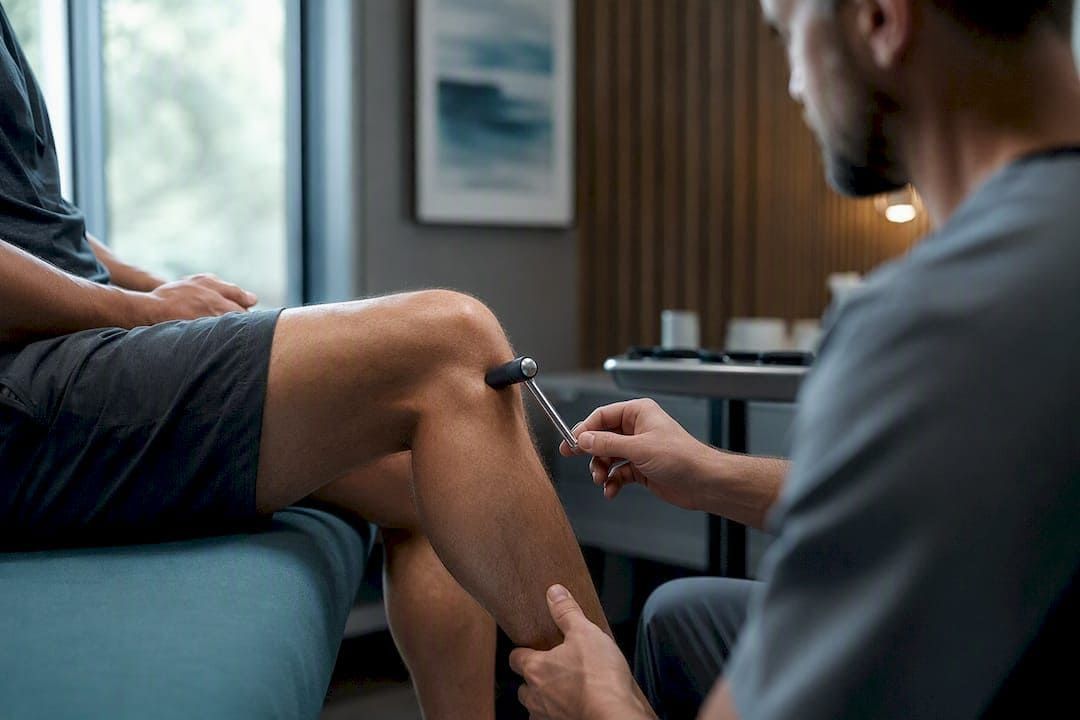
Begin by obtaining a detailed medical evaluation from healthcare professionals who can systematically assess injury severity. This means scheduling thorough examinations that document every aspect of your injury using standardized assessment tools. Physicians typically use specialized scales like the Abbreviated Injury Scale to quantify the extent of your physical trauma. Request copies of all medical reports including emergency room records, diagnostic imaging results like X rays or MRI scans, treatment plans, and physician notes.

Organize these documents chronologically and make multiple copies. Keep the originals safely stored while working with copies for any potential claims or legal proceedings. Take notes during medical appointments and ask questions about how your injury might impact your long term health and recovery.

Pro tip: Create a dedicated folder or digital file specifically for your injury documentation to ensure nothing gets misplaced during the recovery process.

Step 2: Consult Healthcare Professionals for Diagnosis

Navigating your personal injury recovery requires strategic medical consultations that help you understand the full scope of your condition and create an effective treatment roadmap. In this critical step, you will connect with medical professionals who can provide accurate diagnoses and comprehensive care.

Regular consultations with healthcare professionals are essential for getting a precise understanding of your injury. Start by scheduling an appointment with your primary care physician who can refer you to appropriate specialists based on your specific injury type. During these initial consultations, be prepared to provide detailed information about the incident that caused your injury, including specific symptoms, pain levels, and any limitations you are experiencing.

During your medical consultations, ask specific questions about your diagnosis, potential treatment options, expected recovery timeline, and long term implications. Take detailed notes and request copies of all medical assessments and recommendations. These documents will be crucial for tracking your recovery progress and supporting any potential insurance or legal claims related to your injury.

Pro tip: Bring a written list of your symptoms and questions to each medical appointment to ensure you cover all important details and make the most of your consultation time.

Here’s a summary comparing key healthcare professionals involved in injury recovery:

Professional Type Role in Recovery Typical Assessments When to Consult
Primary Care Physician Initial evaluation, referral Overall health, injury screening At injury onset
Specialist (e.g., Ortho, Neuro) Advanced diagnosis, targeted care Imaging, function, specialist tests Referred by primary care
Chiropractor Musculoskeletal care, rehab plans Spine, joint, movement assessment After diagnosis for recovery plan
Physical Therapist Rehabilitation exercises, mobility Functional strength, pain movement During rehab phase

Step 3: Develop a Personalized Chiropractic Recovery Plan

Transforming your injury recovery into a targeted healing journey requires a strategic and individualized approach. Your personalized chiropractic recovery plan will serve as a comprehensive roadmap designed specifically to address your unique physical needs and recovery goals.

Developing a personalized chiropractic recovery plan involves a detailed assessment of your specific musculoskeletal condition. Your chiropractor will conduct a thorough evaluation to understand the root causes of your pain and create a customized treatment strategy. This process includes analyzing your injury mechanism, current physical limitations, medical history, and overall health status. Comprehensive recovery plans typically incorporate multiple therapeutic approaches such as manual adjustments, targeted rehabilitation exercises, soft tissue therapies, and patient education.

Collaborate closely with your chiropractor to establish clear recovery milestones and realistic expectations. Discuss potential treatment timelines, expected outcomes, and any lifestyle modifications that might support your healing process. Maintain open communication about your progress, pain levels, and any challenges you encounter during rehabilitation. Chiropractic care for auto injuries can provide targeted strategies for comprehensive recovery.

Pro tip: Keep a detailed recovery journal documenting your symptoms, treatment responses, and physical changes to help your chiropractor continuously refine and optimize your personalized recovery plan.

personal injury chiropractic care

Step 4: Begin Targeted Chiropractic Treatments and Rehab

With a comprehensive understanding of your injury, you are now ready to initiate a strategic healing process that combines precise chiropractic interventions with targeted rehabilitation techniques. This critical phase transforms your recovery from passive treatment to active healing.

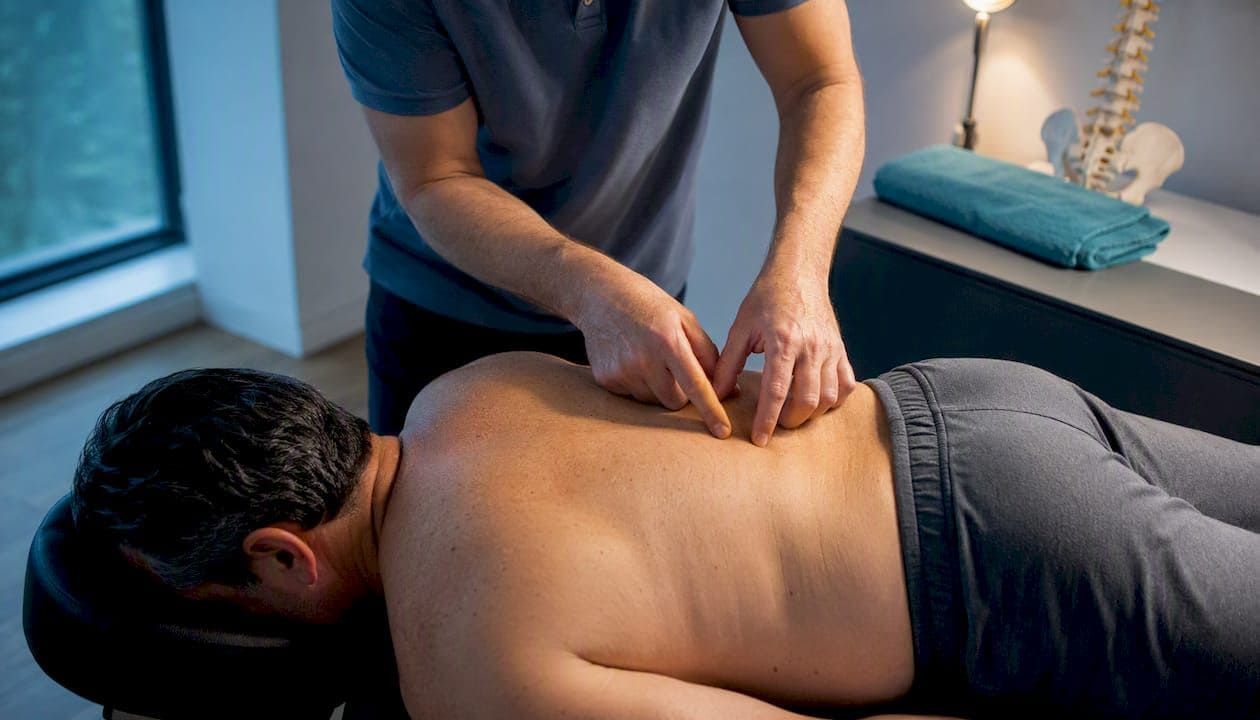
Targeted chiropractic treatments represent a sophisticated approach to addressing musculoskeletal pain and dysfunction. Your chiropractor will utilize specialized techniques like spinal manipulation, soft tissue mobilization, and joint adjustments designed to restore proper alignment and reduce inflammation. These interventions work synergistically to alleviate pain and improve overall functional mobility, helping you regain strength and movement more efficiently than traditional recovery methods.

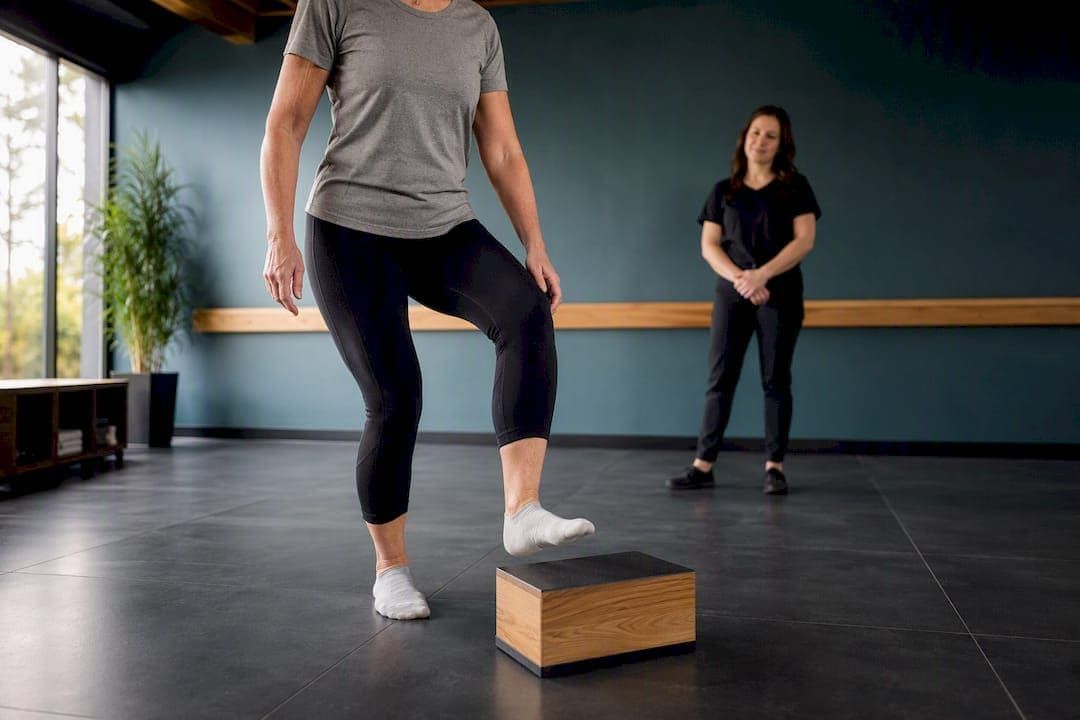
As you progress through treatment, focus on active participation in your rehabilitation program. This means consistently performing prescribed exercises, maintaining open communication with your healthcare provider, and following recommended lifestyle modifications. Addressing pain and stiffness at the source requires a holistic approach that combines professional treatment with personal commitment to healing.

Pro tip: Photograph or video record your initial range of motion and pain levels to track your progress visually and provide tangible evidence of your recovery journey.

Step 5: Monitor Progress and Adjust Recovery Strategies

Your personal injury recovery is a dynamic journey that requires continuous evaluation and strategic adaptation. This step focuses on transforming your healing process from a static treatment plan into a responsive and personalized recovery experience.

Regular monitoring of patient progress is crucial for ensuring the effectiveness of your chiropractic treatment. Work closely with your healthcare provider to conduct periodic assessments that track your range of motion, pain levels, and functional improvements. These evaluations will help identify opportunities to adjust recovery strategies that optimize your healing trajectory and address any emerging challenges.

Establish clear communication channels with your chiropractor to discuss your treatment responses, challenges, and healing milestones. Pay attention to subtle changes in your body and be prepared to provide detailed feedback about your pain levels, mobility, and overall comfort. Why going to the chiropractor after a car accident can help you recover involves maintaining an active and engaged approach to your rehabilitation.

Pro tip: Create a weekly pain and mobility tracking spreadsheet with columns for pain intensity, range of motion, and specific activities to help your chiropractor make data driven treatment adjustments.

Below is a guide to tracking progress and adjusting recovery strategies:

Monitoring Aspect Purpose Example Tool Benefits for Recovery
Pain Intensity Track discomfort trends Numeric scale or journal Early detection of setbacks
Range of Motion Measure flexibility improvements Goniometer or video analysis Informs treatment adjustments
Functional Activities Evaluate daily task performance Checklist or activity log Supports goal setting
Treatment Response Assess effectiveness of therapies Weekly summary worksheet Enables data-driven decisions

Take Control of Your Personal Injury Recovery Today

Recovering from a personal injury can feel overwhelming especially when facing persistent pain and uncertainty about your healing journey. The article highlights crucial steps like assessing injury severity, consulting healthcare professionals, and creating a personalized chiropractic recovery plan as keys to fast pain relief and long-term wellness. If you are struggling with pain from auto injuries, whiplash, or musculoskeletal issues these challenges can slow your progress and impact your quality of life.

Essential ChiroCare in West Central Florida specializes in comprehensive chiropractic care tailored to your unique recovery needs. Our experienced doctors use holistic, root-cause approaches including manual therapy, spinal adjustments, and personalized physical rehabilitation to help you regain mobility and reduce pain effectively. Pause the cycle of discomfort and start making measurable progress with a recovery plan designed around your specific condition.

Ready to experience targeted care that turns your personal injury recovery into lasting relief Visit Essential ChiroCare now to schedule your personalized consultation. Take the first step toward pain control and improved function in Tampa Brandon Sarasota Lakeland or Pinellas Park locations. Don’t wait to make your recovery a priority—your body and future self will thank you.

Learn more about our auto and personal injury treatments and how expert chiropractic care can accelerate your healing.

Frequently Asked Questions

  • What are the first steps I should take for personal injury recovery?

    Begin by assessing your injury severity and gathering medical records. Schedule a comprehensive medical evaluation to understand your injury in detail and obtain relevant documents such as reports and imaging results.

  • How can I ensure my chiropractic recovery plan is effective?

    Develop a personalized chiropractic recovery plan tailored to your specific injury and health needs. Work closely with your chiropractor to define milestones and adjust treatment strategies as needed to support your recovery.

  • What types of healthcare professionals should I consult during recovery?

    Consult a variety of healthcare professionals, including your primary care physician and specialists as needed. Each can provide valuable insights and treatments to effectively address your injury at different stages of recovery.

  • How often should I monitor my recovery progress?

    Regularly monitor your recovery progress every week to track pain levels and range of motion. This ongoing assessment will help you and your healthcare provider make timely adjustments to your treatment plan as necessary.

  • What should I include in my recovery journal?

    Keep a detailed recovery journal that documents your symptoms, treatment responses, and physical changes. This information aids your chiropractor in refining your treatment plan for optimal healing outcomes.

  • How can targeted chiropractic treatments help me recover faster?

    Targeted chiropractic treatments focus on specific musculoskeletal issues to alleviate pain and improve mobility. By actively participating in your treatment and adhering to prescribed exercises, you can significantly enhance your recovery speed.

Recommended

athletic chiropractor Lakeland FL
By Essential ChiroCare Blogger December 31, 2025
Improve your athletic recovery with an experienced athletic chiropractor in Lakeland. Stay active and prevent setbacks with personalized chiropractic care.
migraine chiropractor Tampa
By Essential ChiroCare Blogger December 30, 2025
Find natural migraine relief with a trusted migraine chiropractor in Tampa. Learn how chiropractic care can reduce pain, tension, and improve quality of life.
Chiropractic care after auto injury
By Essential ChiroCare Blogger December 23, 2025
Discover the role of chiropractic in auto injury recovery, from whiplash management to holistic treatment, legal aspects, and long-term wellness strategies.
Doctor showing patient spine models in office with city view.
By Essential ChiroCare Blogger December 22, 2025
Chiropractic terms explained for patients: learn core terminology, treatment types, adjustment techniques, and how these shape your care experience.
role of chiropractic in recovery
By Essential ChiroCare Blogger December 19, 2025
Discover the role of chiropractic in recovery, including pain relief methods, injury rehabilitation, personalized care strategies, and alternative treatment options.
Pediatric Chiropractic
By Essential ChiroCare Blogger December 18, 2025
Discover how a pediatric chiropractor in Tampa supports your child's spine health, enhancing comfort and activity with gentle techniques. Keep reading!
auto injury chiropractic
By Essential ChiroCare Blogger December 18, 2025
Auto injury chiropractic helps restore mobility, reduce pain, and speed recovery after accidents. Learn about treatments, benefits, and key safety considerations.
holistic pain relief
By Essential ChiroCare Blogger December 17, 2025
Discover why holistic pain relief outperforms quick fixes. Learn about chiropractic methods, root-cause treatment, and benefits for chronic pain.
chiropractic techniques
By Essential ChiroCare Blogger December 16, 2025
Chiropractic techniques explained—types, how they work, safety, effectiveness, and alternatives. Learn what to expect from expert care for pain relief.
Workplace Injuries
By Essential ChiroCare Blogger December 15, 2025
Discover how a work injury chiropractor in Tampa offers holistic care to alleviate pain and promote long-term health and wellness. Continue reading on!
Show More