What Is Active Release Technique: A Pain Relief Guide
TL;DR:
- Active release technique is a movement-based manual therapy targeting soft tissues like muscles, tendons, and nerves to break down adhesions and improve mobility. Patients actively move tissues during treatment, leading to quicker relief and recovery from overuse injuries, nerve compression, and chronic tension. Certified practitioners assess, identify, and treat restrictions, making ART effective for athletes and those with persistent soft tissue issues.
If you've tried stretching, rest, and standard massage and still can't shake that stubborn shoulder tightness or recurring hamstring pain, active release technique (ART) may be the targeted approach you haven't tried yet. ART is a patented, movement-based manual therapy that works directly on soft tissue restrictions. It's not passive. You're involved. And that distinction matters more than most people realize. This guide breaks down exactly how ART works, who benefits most from it, and what to expect when you walk into your first session.

Key Takeaways
| Point | Details |
|---|---|
| ART targets soft tissue | It treats muscles, tendons, ligaments, fascia, and nerves — not just joints. |
| You move during treatment | Patients actively move the targeted tissue while the practitioner applies precise pressure. |
| Results appear quickly | Most patients notice meaningful improvement after just 3 to 6 visits. |
| ART works for many conditions | From carpal tunnel and sciatica to shin splints and shoulder pain, the range is wide. |
| Credentials matter | Seek a certified ART provider to ensure you receive proper patented protocols. |
What is active release technique and why it's different
Active Release Techniques, commonly abbreviated as ART, is a patented soft-tissue system developed by Dr. P. Michael Leahy, a chiropractor and aerospace engineer who noticed that his patients' symptoms correlated directly with changes in their soft tissue texture and movement. He developed a precise set of protocols for identifying and treating these restrictions, and the system has grown into one of the most recognized manual therapy methods in sports medicine and rehabilitation.
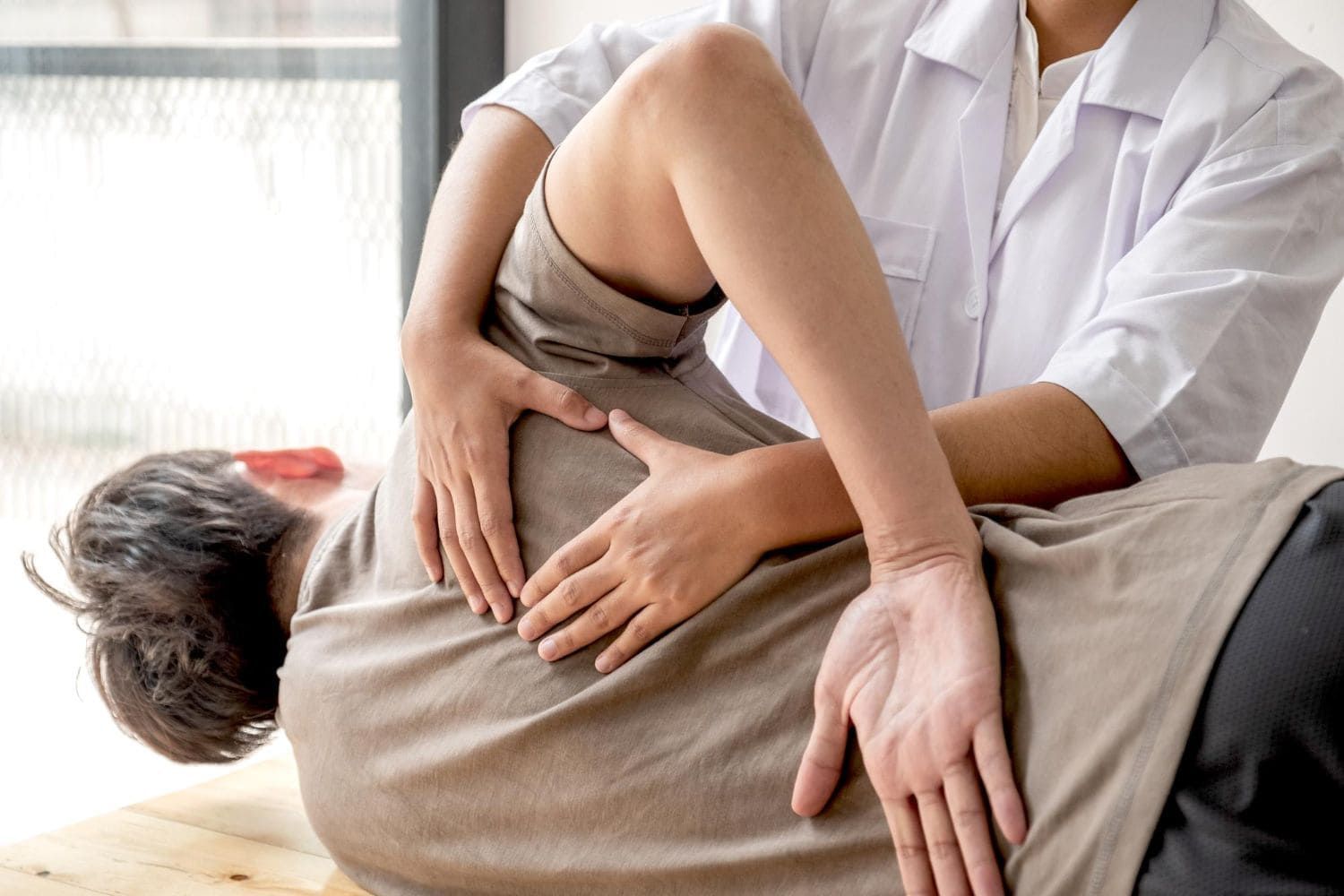
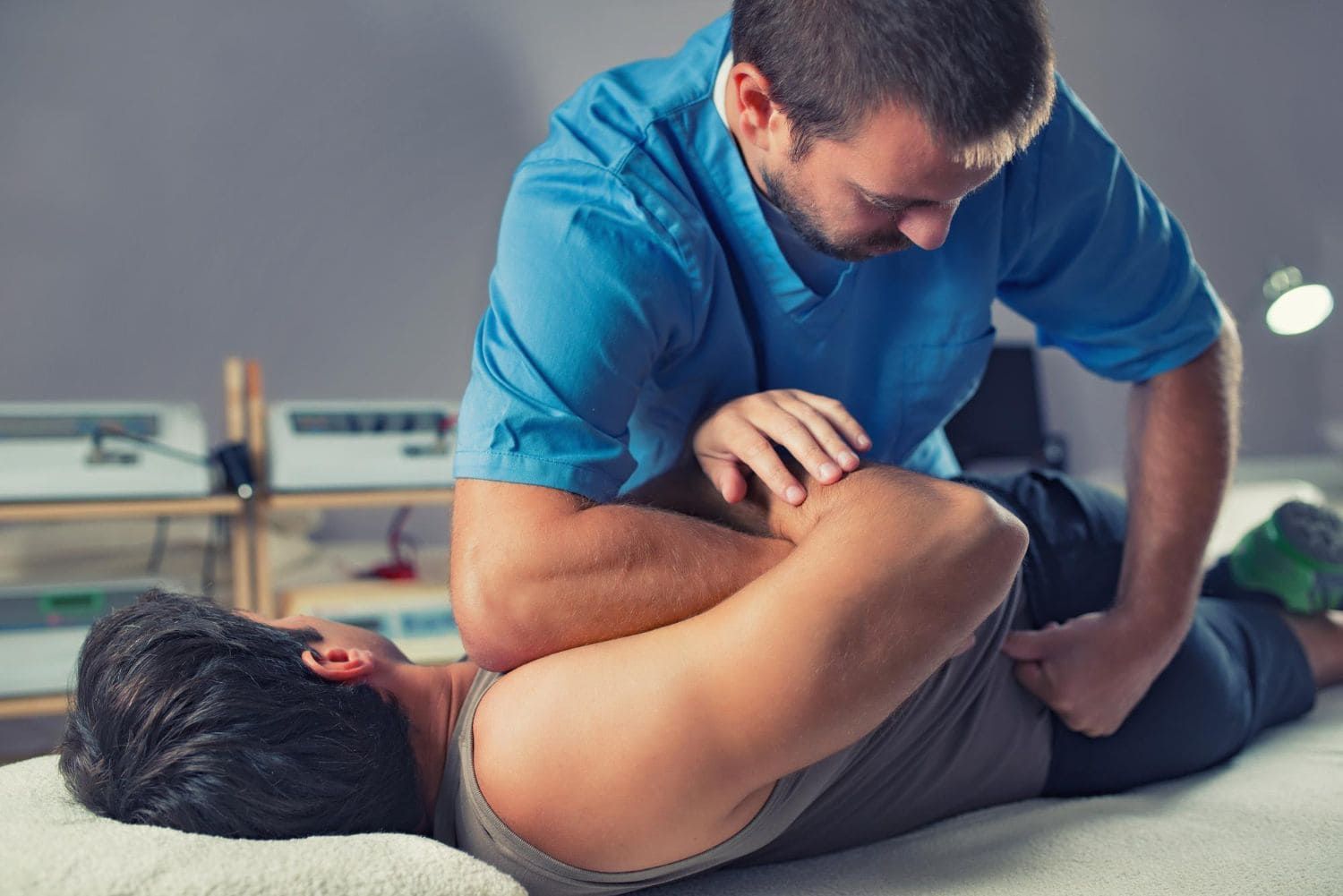
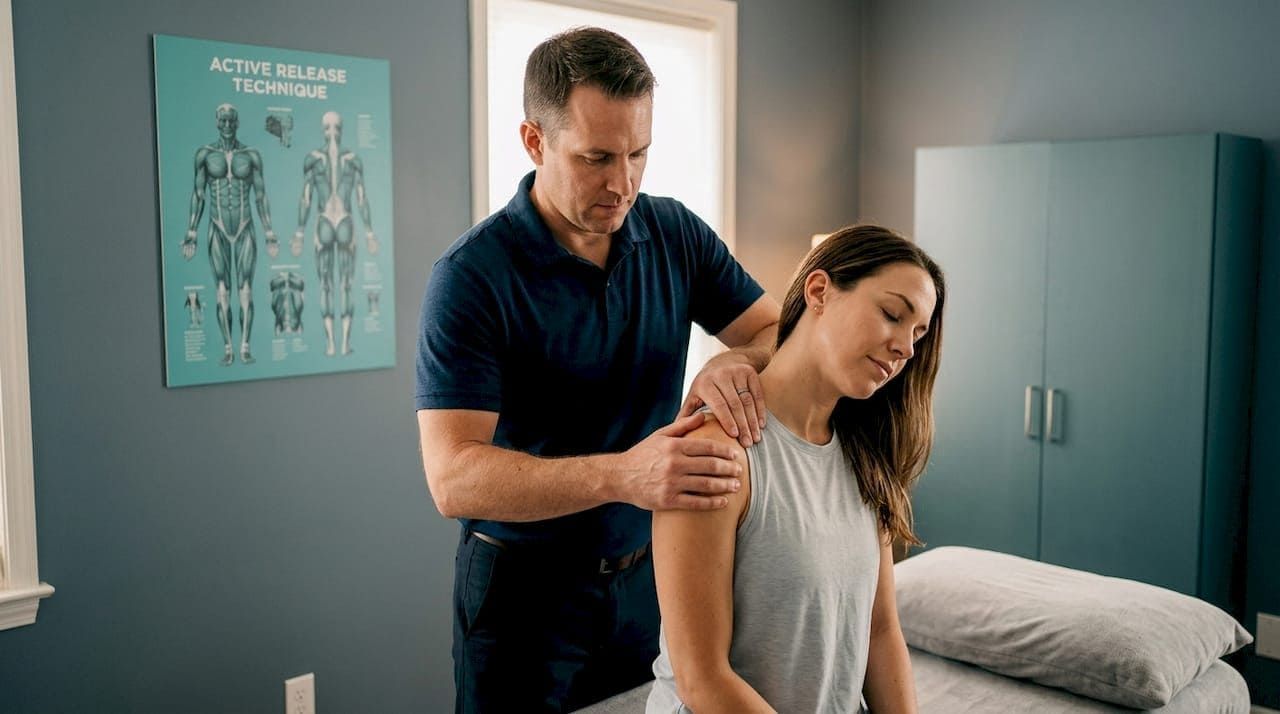
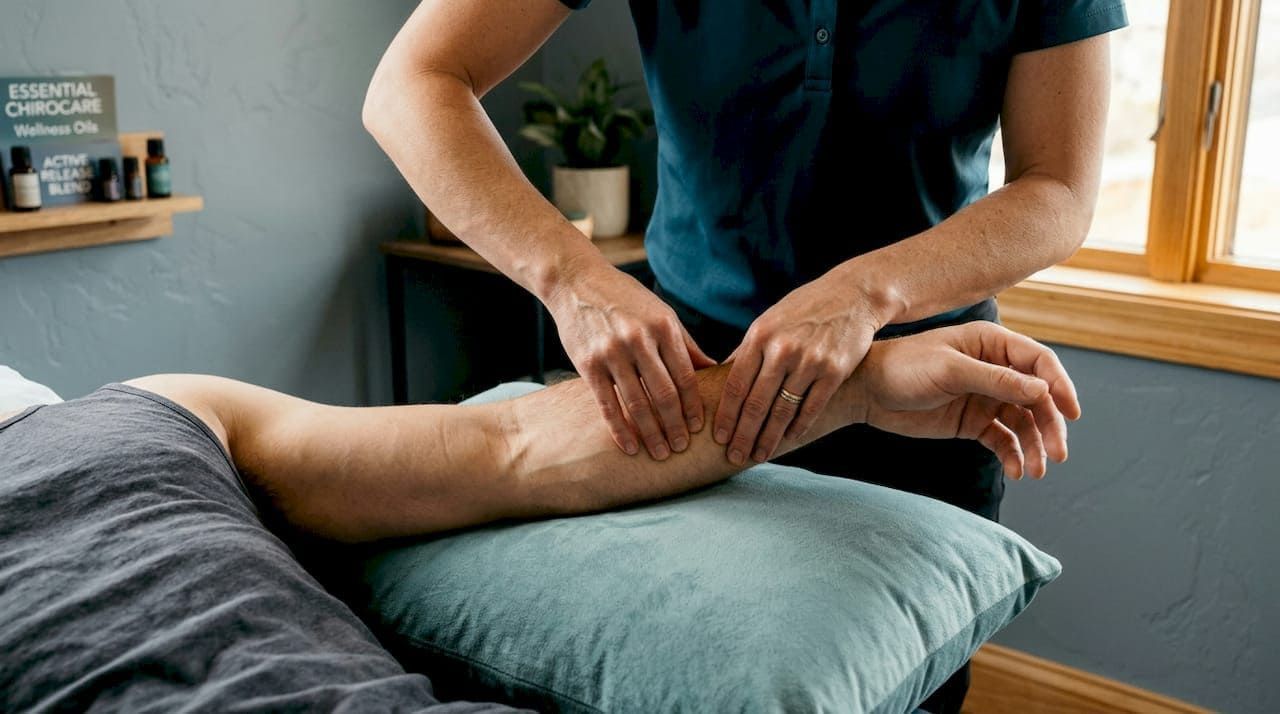
Here's what makes ART stand out from the crowd: most manual therapies treat the body passively. You lie still, the therapist works on you, and you wait for results. ART flips that model. The practitioner applies firm pressure while you actively move the targeted tissue through a specific range of motion. That combination creates a shearing force between the practitioner's contact and your moving tissue, which breaks down adhesions and scar tissue far more effectively than static pressure alone.
ART addresses five categories of tissue:
- Muscles (overused, shortened, or injured)
- Tendons (thickened or restricted from repetitive loading)
- Ligaments (restricted in movement or surrounding tissue)
- Fascia (the connective tissue wrapping muscles and organs)
- Nerves (entrapped by surrounding restricted tissue)
Each of these tissue types has its own set of ART protocols, which is why certified practitioners complete extensive training before they can practice. This isn't something improvised at a spa.
Pro Tip: Ask any manual therapist you consult whether they hold an active ART certification from the official ART organization. Certification requires hands-on training and regular recertification, so it's a real credential, not a weekend course.
Active release technique benefits for pain and recovery
The core mechanism behind active release therapy is breaking down what practitioners call "adhesions." When tissue is overused, injured, or chronically stressed, the body lays down fibrous scar tissue as a protective response. Over time, that scar tissue binds to surrounding structures, restricting movement, compressing nerves, and creating pain that lingers long after the original injury should have healed.
ART resolves conditions including headaches, back pain, carpal tunnel syndrome, shin splints, sciatica, tennis elbow, shoulder pain, and knee pain. That breadth isn't accidental. It reflects how many problems trace back to soft tissue restriction rather than structural damage. A nerve that's being compressed by tight fascia around the piriformis muscle, for example, can produce sciatic pain without any disc involvement at all.
The specific benefits of ART therapy include:
- Reduced adhesions and fibrosis : The technique directly targets the scar tissue binding soft structures together
- Improved range of motion : Freed tissue moves better through its full arc
- Nerve decompression : Releasing surrounding tissue takes pressure off entrapped nerves
- Better circulation : Loosened tissue allows improved blood flow to previously restricted areas
- Faster functional recovery : Patients return to full activity sooner because the root restriction is addressed, not just the symptom
What separates ART from generic soft-tissue work is personalization. The interactive approach means practitioners feel exactly where the restriction lives in real time and adjust their contact and direction accordingly. Every session is a diagnosis and a treatment happening simultaneously. That's a fundamentally different experience from a standard 60-minute massage.
What to expect during an ART session
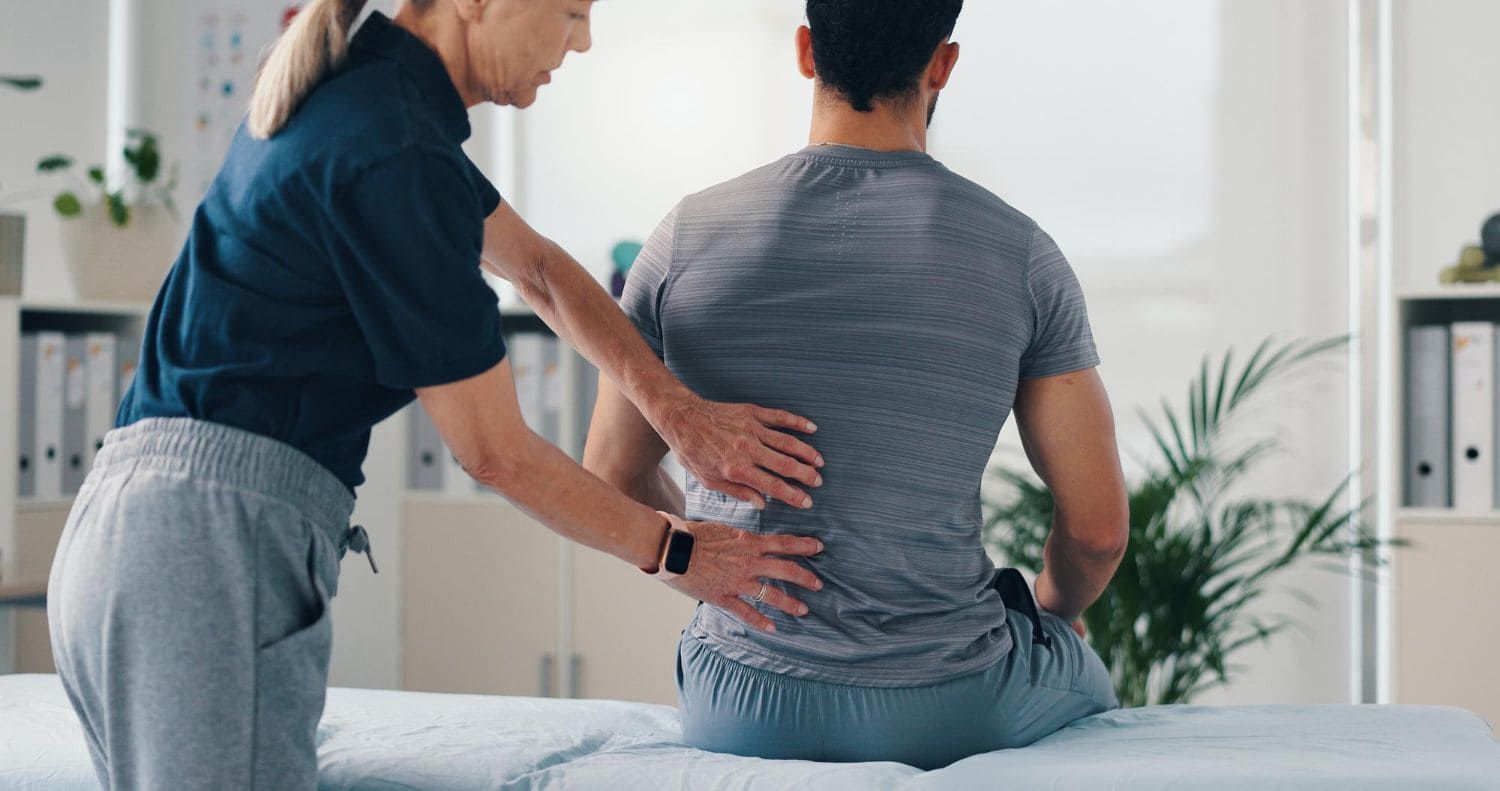
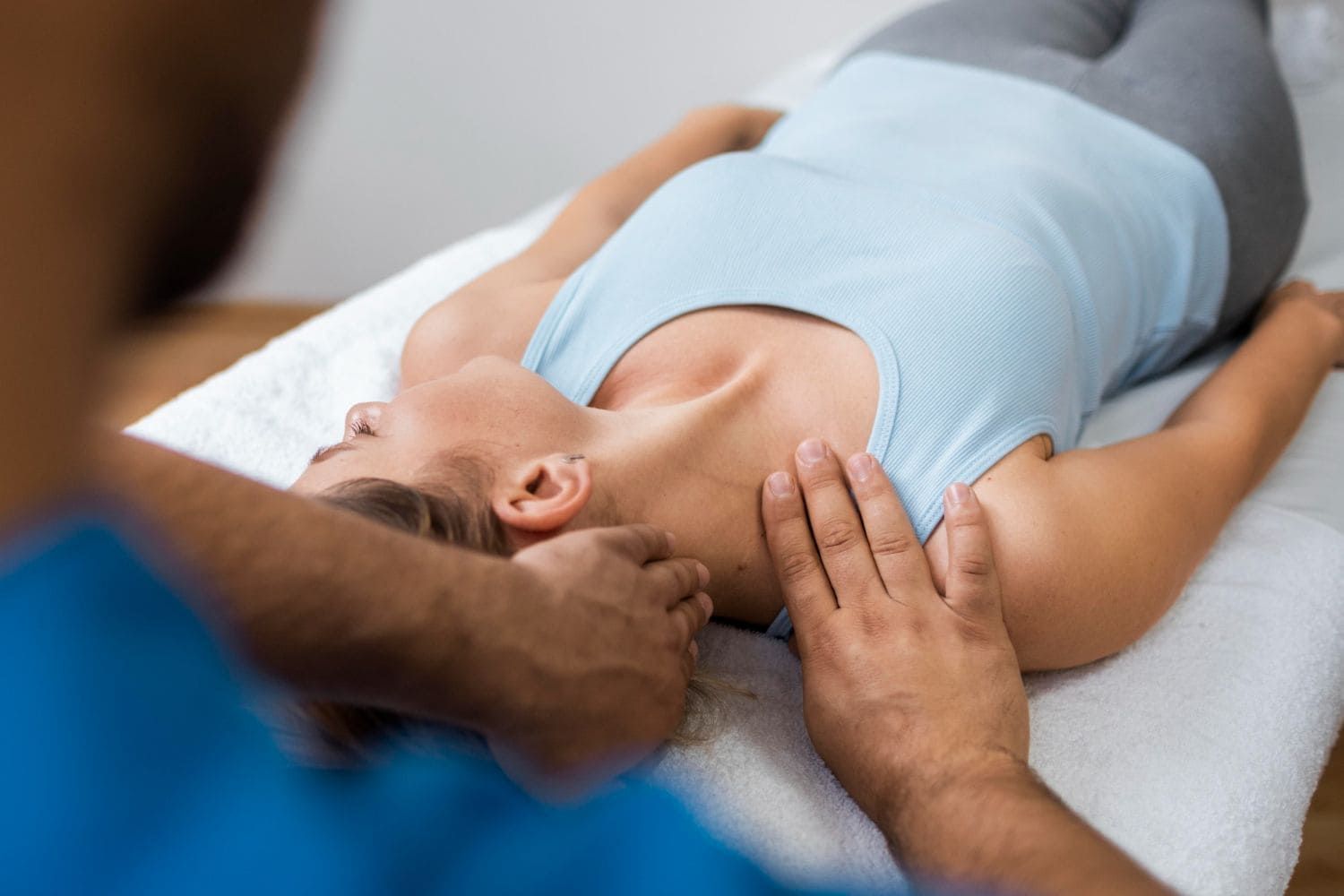
Your first ART session will feel nothing like a traditional massage appointment. Expect the practitioner to begin with a detailed intake and movement assessment. They'll ask about your symptoms, how they started, and what movements aggravate or relieve them. Then they'll watch you move, looking for the compensations and restrictions that point to where the soft tissue problem lives.
A typical treatment sequence goes like this:
- Symptom and history review : The practitioner maps your pain pattern and movement limitations before touching you
- Movement assessment : You perform specific movements so the practitioner can identify tissue restrictions visually
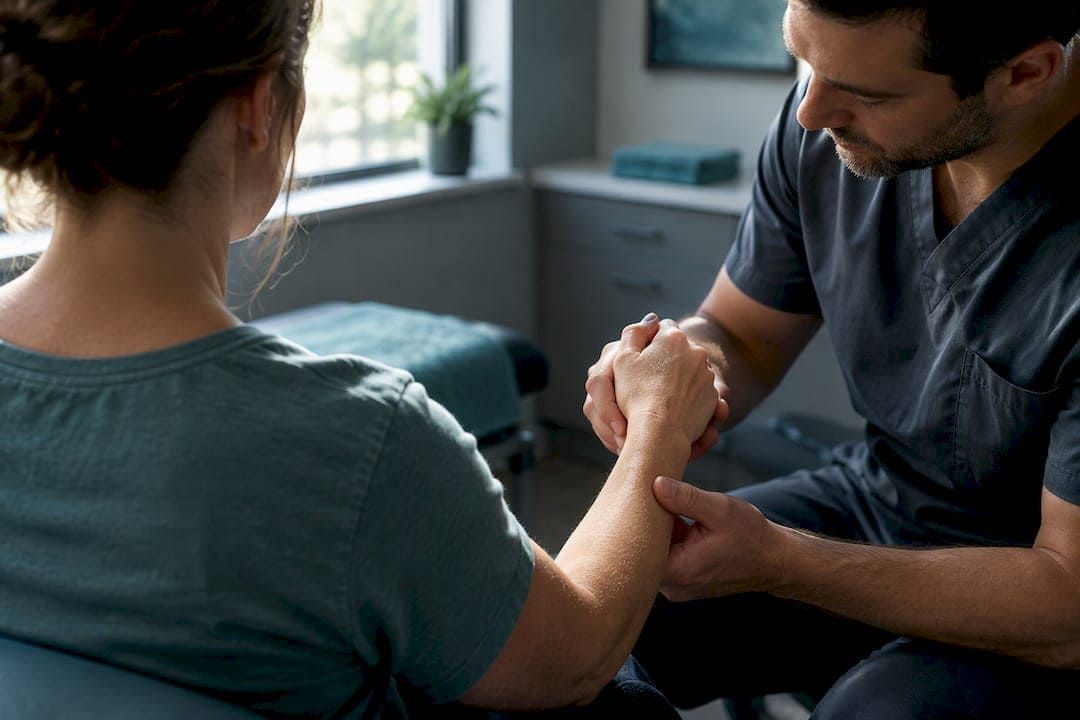
- Contact and tension application : The practitioner places firm, precise contact on the restricted tissue
- Active patient movement : While the contact is maintained, you move the targeted limb or body segment through a prescribed range of motion
- Reassessment : The practitioner checks your movement quality again to measure the change
Sessions are time-efficient. Your first session may last up to 45 minutes, with follow-up appointments typically running 15 to 30 minutes. For acute injuries, expect to be seen about three times per week for two weeks.
Patients frequently describe a sensation of pressure and mild discomfort during treatment, particularly when the practitioner contacts a heavily restricted area. That discomfort is normal and typically resolves within seconds as the tissue releases. Most people feel immediate relief and increased mobility right after a session. Mild soreness in the treated area for 24 to 48 hours afterward is also common, similar to post-workout muscle fatigue.
Pro Tip: Drink water after your sessions and do any stretching or strengthening exercises your practitioner prescribes. ART opens the door; your post-treatment movement habits keep it open.
How ART compares to related therapies
Understanding where ART fits among your options makes it easier to decide whether it's right for your situation. Patients often ask about active release vs massage therapy or how it differs from chiropractic care. The distinctions are significant.
| Therapy | Primary focus | Patient involvement | Best for |
|---|---|---|---|
| Active Release Technique | Soft tissue adhesions and restrictions | Active (patient moves during treatment) | Overuse injuries, scar tissue, nerve entrapment |
| Traditional massage | Muscle relaxation and circulation | Passive | General tension, stress relief |
| Chiropractic adjustment | Joint alignment and spinal function | Mostly passive | Vertebral misalignment, joint dysfunction |
| Myofascial release | Fascial system restrictions | Passive to semi-active | Fascial tightness, postural issues |
| Physical therapy | Functional movement and strength | Active | Post-surgical rehab, strength deficits |
ART targets soft tissue restrictions that impact joint function, while chiropractic adjustments focus on vertebral and joint alignment directly. That means the two therapies are genuinely complementary rather than competing. Correcting a spinal misalignment is more effective when the surrounding soft tissue isn't pulling the joint back out of position. Similarly, releasing muscle adhesions is more productive when the underlying joint mechanics are sound.
Many clinics, including those offering integrated manual therapy , combine ART with chiropractic care and physical rehabilitation as part of a single treatment plan. That combination addresses problems at every level of the musculoskeletal system simultaneously rather than treating one piece at a time. For more on how these approaches differ and overlap, the breakdown of manual therapy vs massage is worth reading.

Who should consider ART and how to get started
ART is not a one-size-fits-all solution, but its range of application is genuinely broad. You're likely a strong candidate if any of these describe you:
- You're an athlete dealing with repetitive strain from running, cycling, swimming, or overhead sports
- You have chronic tension in the neck, shoulders, or lower back that doesn't respond to rest
- You've been diagnosed with carpal tunnel syndrome, plantar fasciitis, or IT band syndrome
- You're recovering from a soft-tissue injury that has plateaued in standard physical therapy
- You sit at a desk for hours daily and have developed postural tightening across your chest and hips
For athletic overuse injuries specifically, ART has become a go-to treatment in professional sports medicine for exactly the reasons described above. The active component of treatment mirrors the demands of sport, which accelerates functional recovery compared to passive modalities.
When looking for a qualified provider, verify that they hold certification directly from the Active Release Techniques organization. Certifications are specific by body region (spine, upper extremity, lower extremity), so ask which certifications your provider holds relative to your problem area. Expect sustained improvements after 3 to 6 visits, and plan for a reassessment around session ten to evaluate your overall progress and determine if the treatment plan needs adjustment.
Recovery timelines vary based on how long the restriction has been present, your age, your activity level, and how consistently you follow through with home exercises. A two-month-old hamstring restriction resolves faster than a two-year-old one. That's not pessimism. It's useful information for setting realistic expectations before you start.
My take on what ART actually delivers
I've watched patients walk into treatment with that specific kind of frustration that comes from cycling through therapies that help a little but never resolve the problem. Shoulder pain that's been "almost better" for eight months. Neck tightness that improves with massage but returns within three days. Those are soft-tissue adhesion patterns, and they don't respond to rest or passive pressure because the underlying restriction hasn't been addressed.
What I've seen with ART is that the active component is not just a gimmick. When a patient moves their tissue under load while a practitioner contacts the restriction, something genuinely different happens in the tissue response. It's not magic. It's mechanics. And the results tend to be more durable than passive work because the tissue learned to move through its range of motion during treatment, not just after.
The misconception I encounter most often is that more sessions always means better results. ART should work quickly. If you're six sessions in and feel no different, the diagnosis may need revisiting. Good practitioners know that and will tell you so. The goal is resolution, not dependency.
I also believe ART works best when patients stay active between sessions. The treatment creates the opportunity. Chiropractic injury rehab and targeted strengthening exercises are what make those gains stick. ART without any supporting rehab is like clearing a field and never planting anything. The weeds come back.
Find expert ART care at Essentialchirocare
If you're dealing with persistent soft tissue pain, chronic tension, or a sports injury that isn't improving with other approaches, Essentialchirocare's team in West Central Florida offers expert manual therapy services including Active Release Technique as part of personalized, root-cause treatment plans. The clinicians work across Tampa, Brandon, Sarasota, Lakeland, and Pinellas Park, with backgrounds in sports medicine that translate directly to faster, more specific recovery outcomes.
Beyond ART, physical rehab programs at Essentialchirocare reinforce the gains made in manual therapy sessions through targeted strengthening and mobility work. If you're ready to stop managing pain and start resolving it, scheduling a consultation is the right first step.
FAQ
What is active release technique used to treat?
ART treats soft tissue conditions including back pain, sciatica, carpal tunnel syndrome, plantar fasciitis, shin splints, tennis elbow, and shoulder pain by breaking down adhesions and restoring normal tissue mobility.
How does active release technique differ from massage?
Unlike massage, ART requires the patient to actively move the targeted tissue while the practitioner applies precise pressure, making it a movement-based therapy rather than a passive one.
Is active release technique safe?
ART is safe when performed by a certified practitioner. Patients may feel mild discomfort during treatment as restricted tissue is contacted, but serious adverse effects are rare and most people report immediate improvement afterward.
How many ART sessions will I need?
Most patients notice improvement after 3 to 6 visits, with acute cases typically scheduled three times per week for two weeks. A formal progress review is recommended around session ten.
Can athletes benefit from active release technique?
Yes. ART is widely used in professional and amateur sports medicine to address overuse injuries, nerve entrapment, and soft tissue restrictions that limit performance and prolong recovery time.