How Physical Therapy Speeds Recovery & Relieves Pain

Essential ChiroCare Blogger • April 18, 2026

How Physical Therapy Speeds Recovery & Relieves Pain

TL;DR:

  • Physical therapy trains the body's movement patterns to reduce pain and improve function.
  • Active, personalized exercise outperforms passive treatments and leads to lasting recovery.
  • Early physical therapy after injury enhances outcomes and lowers recurrence risks.

Most people reach for medication or assume rest is the fastest road to recovery after an injury or flare-up of chronic pain. That assumption costs them time, function, and often leads to recurring pain cycles. Physical therapy delivers non-invasive, evidence-backed healing by improving strength, flexibility, mobility, and quality of life across a wide range of conditions. Whether you're managing a sports injury, recovering from an accident, or dealing with persistent back pain, physical therapy (PT) offers a structured, root-cause path to getting better and staying better. This guide breaks down exactly how it works and why it outperforms passive approaches.

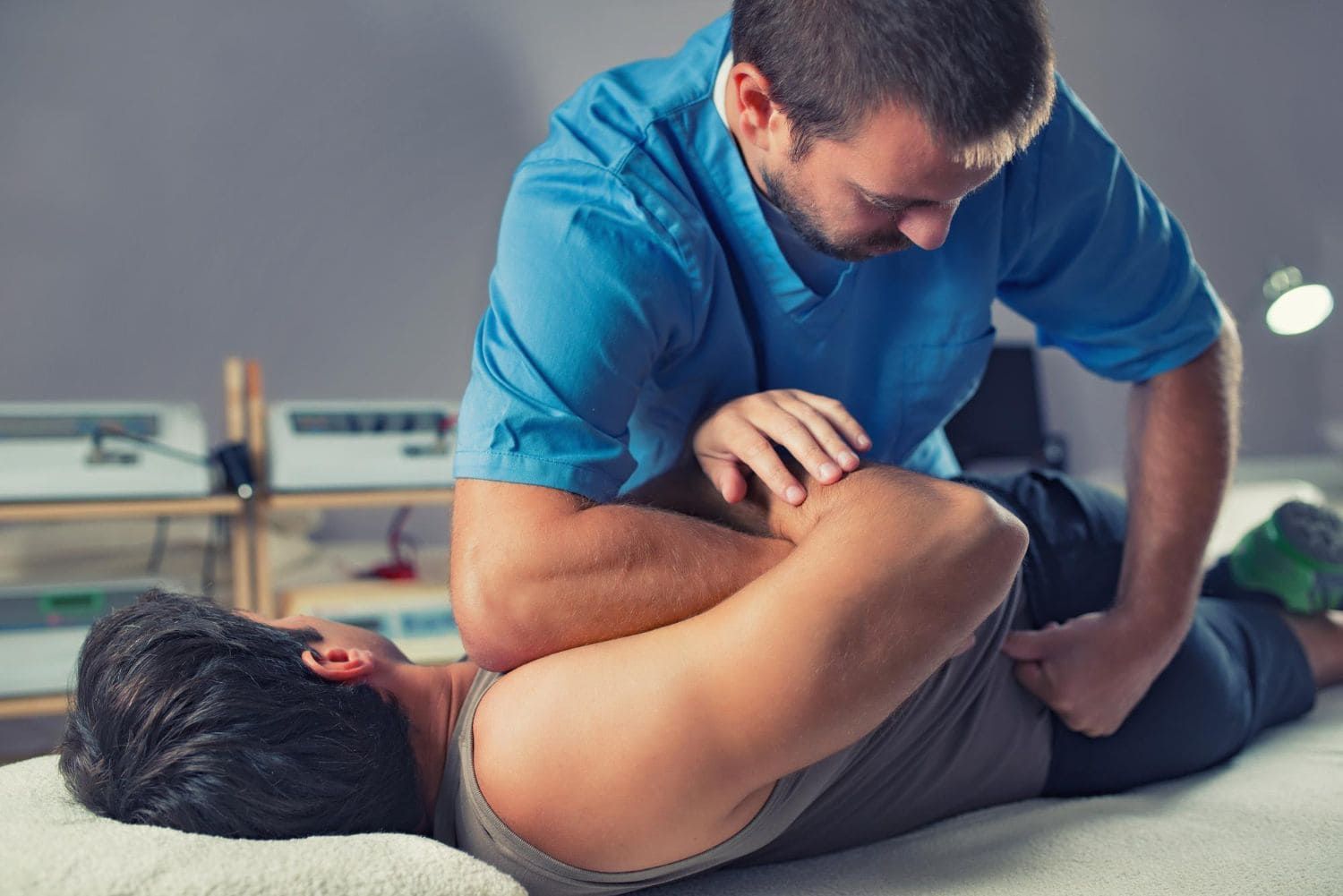
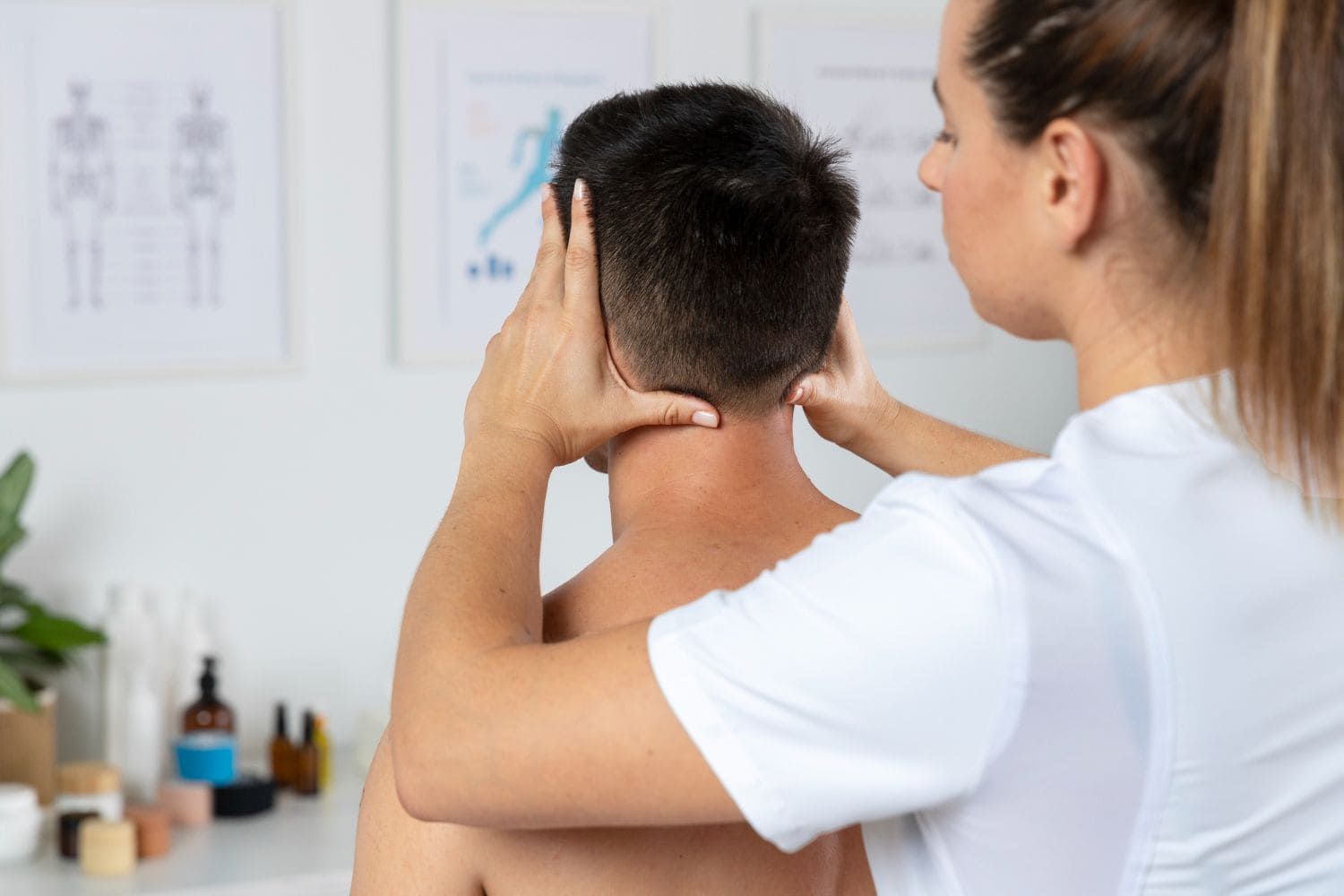
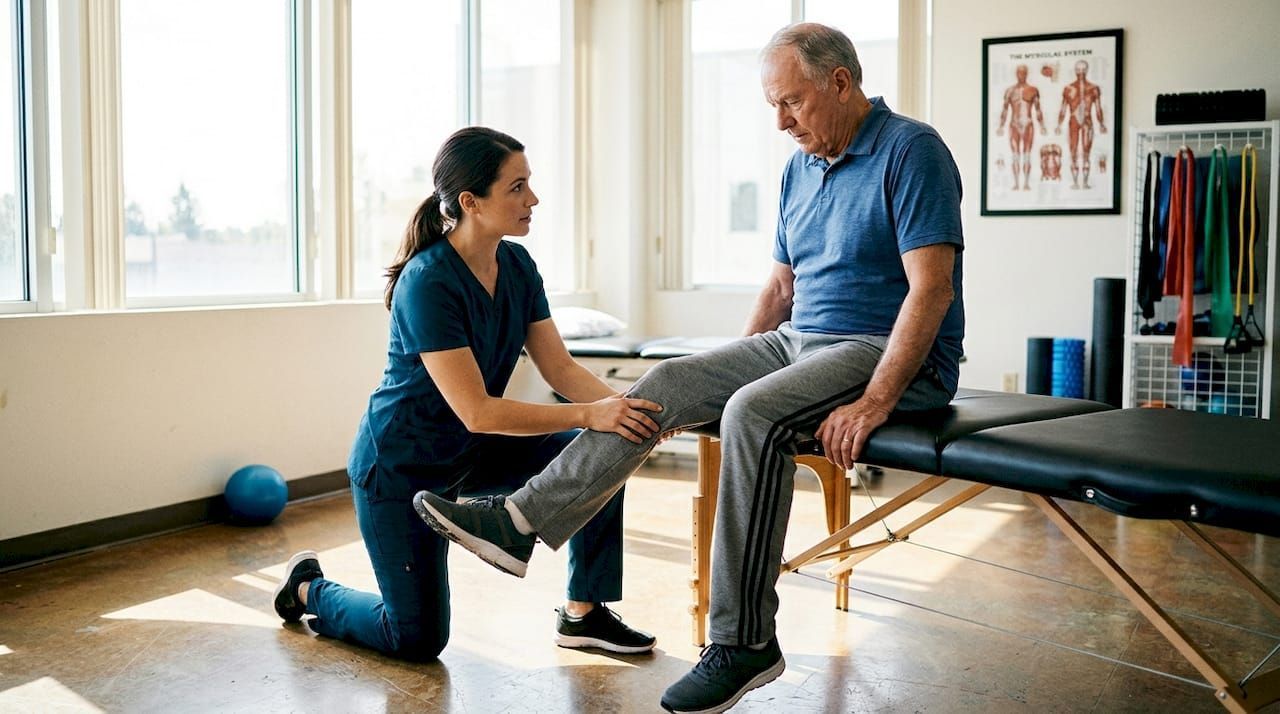
Physical therapist helping patient exercise

Table of Contents

Key Takeaways

Point Details
Physical therapy is holistic PT treats pain, restores function, and addresses both physical and psychological factors for lasting recovery.
Outperforms medication for healing Long-term outcomes and lower recurrence make PT often more effective than medication or passive modalities.
Early intervention matters most Starting physical therapy early leads to better function, strength, and faster return to activity after injury.
Personalization drives results Custom exercise plans and ongoing therapist-patient collaboration maximize physical therapy outcomes.

Why physical therapy works: The science behind healing

Physical therapy is not just guided stretching. It is a science-driven process that retrains your body's movement patterns, reduces inflammation, and restores joint function through targeted, hands-on care. The foundation is movement science, which recognizes that controlled, progressive loading of injured tissue actually accelerates tissue repair rather than slowing it down.

When you work with a physical therapist, they assess how your body moves, where it compensates, and what structures are under stress. From there, they build a plan using manual therapy techniques and neuromuscular re-education to correct those patterns. Neuromuscular re-education means retraining the communication between your nerves and muscles so your body moves efficiently and safely again.

"Physical therapy improves strength, flexibility, and function while reducing pain and enhancing quality of life across conditions, making it one of the most versatile non-surgical interventions available."

This is not a passive process. Unlike taking a pill or applying heat, PT requires your active participation, and that engagement is precisely what makes the results last. Comprehensive physical rehab combines therapeutic exercise, hands-on care, and patient education to address the full picture of your pain.

Key benefits of physical therapy:

  • Restores joint mobility and functional movement
  • Prevents injury recurrence by correcting movement faults
  • Personalizes care to your specific pain triggers and goals
  • Empowers you with self-management tools for long-term health
  • Reduces dependence on medication or invasive procedures

Pro Tip: The earlier you engage with a physical therapist after an injury or pain onset, the better your outcomes. Early intervention prevents compensatory movement patterns from becoming permanent habits.

Understanding what happens inside a PT session helps you get more out of every visit. Physical therapy draws on several core methods, each with a specific role in your recovery.

Exercise therapy is the backbone of most PT programs. It involves progressive, targeted movements designed to rebuild strength, improve range of motion, and retrain coordination. Manual therapy refers to hands-on techniques like joint mobilization and soft tissue work that reduce pain and restore movement. Postural training addresses how you hold your body during daily activities, which is often a hidden driver of chronic pain. Pain education teaches you how pain actually works in the nervous system, which reduces fear and improves adherence. Self-management gives you tools to maintain progress between sessions and after discharge.

The manual therapy benefits you experience from hands-on care are real and measurable, but they work best when combined with active exercise rather than used alone.

Approach Pain reduction Functional improvement Long-term benefit
Active PT (exercise-based) High High Strong
Passive modalities (heat, ultrasound) Moderate Low Weak
Combined active and passive High High Strong

Research on treatment outcomes consistently shows that active, tailored exercise outperforms passive modalities like ultrasound or heat packs when it comes to lasting functional improvement. Passive tools have their place for short-term comfort, but they do not retrain your body.

What to expect at your first PT session:

  • A full movement and pain assessment
  • Discussion of your goals, history, and daily activity demands
  • Introduction to 2 to 3 targeted exercises matched to your current capacity
  • Hands-on treatment if appropriate
  • A clear explanation of your plan and expected timeline

Pro Tip: Ask your PT to design a program customized to your specific goals and pain triggers. A generic program delivers generic results.

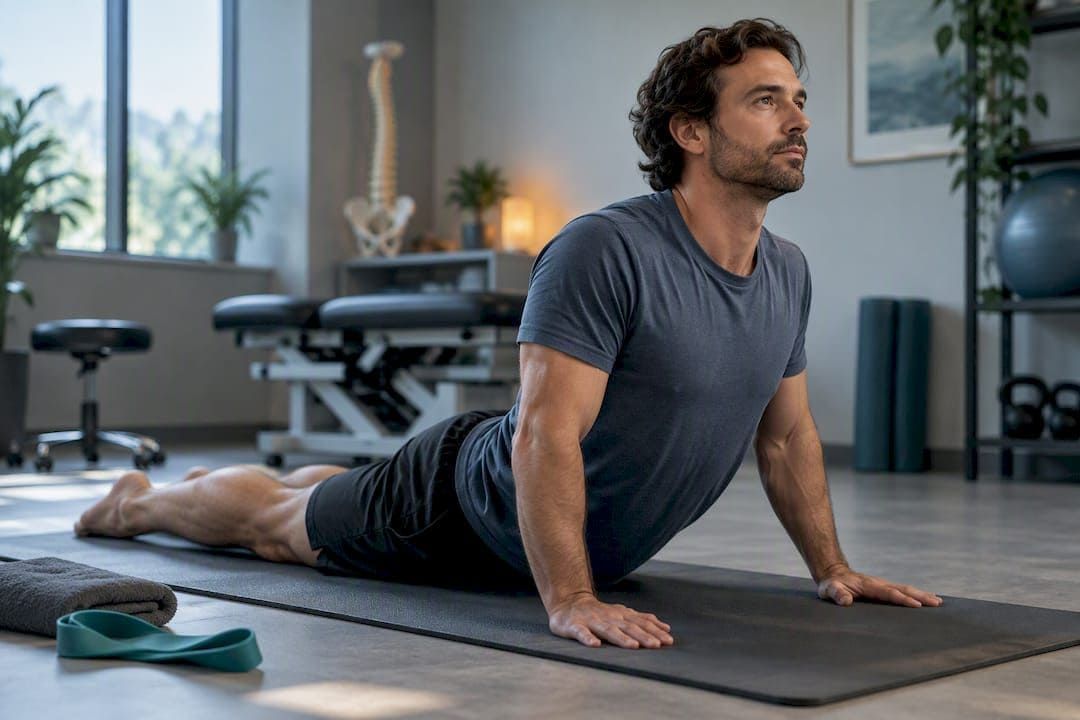
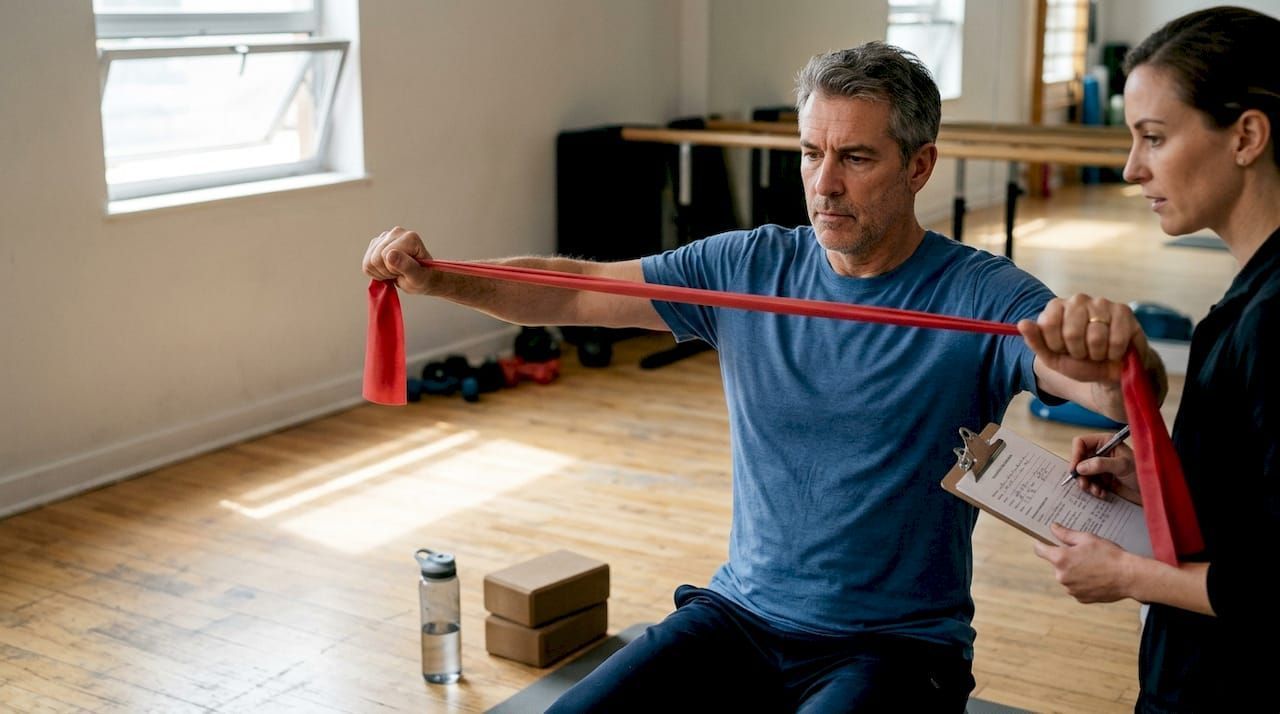
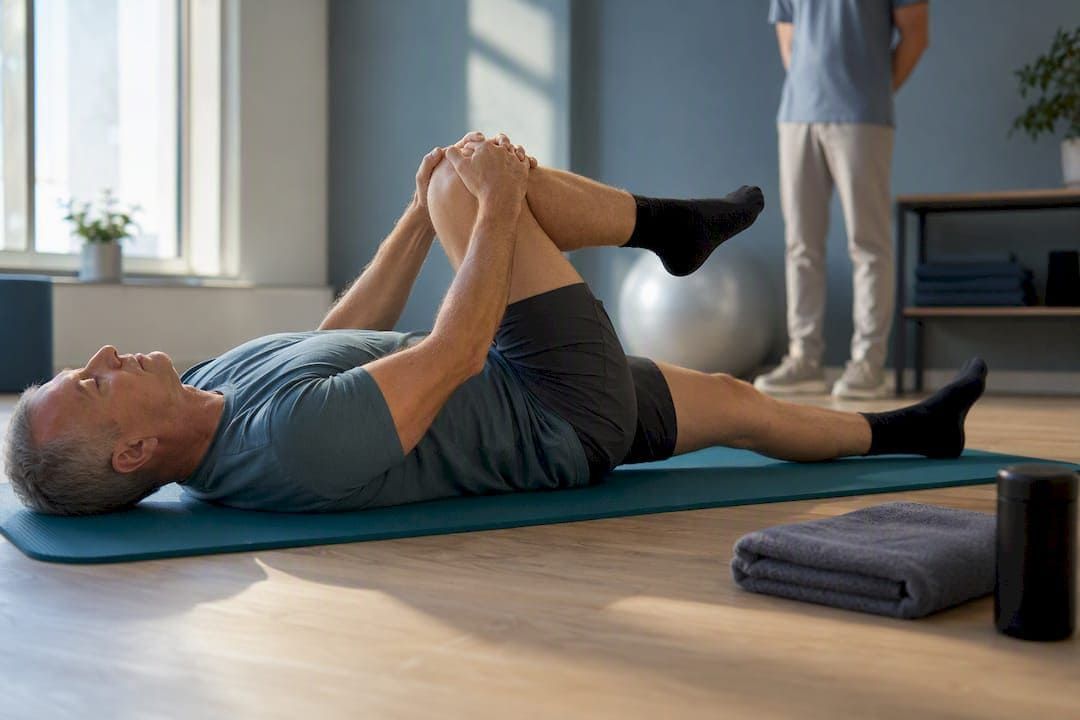
Patient doing therapeutic exercises

PT vs. medication and surgery: What does the evidence say?

This is where the data gets compelling. Many people assume medication is the fastest route to pain relief and surgery is the most reliable fix for serious injuries. The evidence tells a different story.

For sports injuries, 73% of PT users report long-term resolution of their condition, compared to a 65% pain recurrence rate among those relying primarily on pain medication. That gap is significant. Medication manages symptoms. PT addresses the underlying dysfunction.

Key differences in recovery trajectory:

  1. PT targets root-cause movement dysfunction; medication masks pain signals
  2. PT builds strength and resilience over time; medication effects end when the dose does
  3. PT carries minimal risk of dependency or side effects; long-term medication use carries both
  4. PT improves return-to-sport and return-to-work rates; surgery often requires extended recovery before function returns
  5. Early PT reduces the likelihood of needing surgery at all

Intervention Long-term resolution Recurrence risk Functional improvement
Physical therapy 73% Low High
Pain medication 35% 65% Minimal
Surgery (with PT) Variable Moderate High with rehab

For knee injuries specifically, early PT post-ACL reconstruction yields superior strength, range of motion, and return-to-sport outcomes compared to rest or injections alone. Waiting to start rehab is one of the most common and costly mistakes athletes make.

If you're exploring rehab options for sports injuries , the evidence strongly favors starting PT early and consistently. And if you've been in an accident, PT post-injury protects you from the kind of secondary damage that develops when pain is left untreated.

Statistic to know: Patients who begin PT within the first two weeks after an acute injury consistently score higher on functional outcome measures than those who delay by four weeks or more.

Nuances in the healing journey: Beyond muscle and bone

Here is something most people don't expect: your mindset directly affects how fast you recover. Physical therapy outcomes are not determined by biology alone. The psychological and behavioral dimensions of recovery matter just as much as the exercises themselves.

Active PT outperforms passive or combined care for chronic low back pain, but psychological factors like catastrophizing, which means expecting the worst outcome, can significantly slow progress even when the physical treatment is excellent.

"Mental resilience and a patient's belief in recovery can change adherence rates and the speed of improvement more than any single modality. Therapist-patient partnership is not a soft skill. It is a clinical variable."

This is why the best PT programs build in education and communication from day one. When you understand why you're doing each exercise and what progress looks like, you stay engaged. When you feel heard and respected by your therapist, you show up consistently. Consistency is everything in rehabilitation.

Psychological and behavioral factors that influence PT outcomes:

  • Catastrophizing: Expecting pain to mean permanent damage slows recovery
  • Resilience: Belief in your ability to improve accelerates it
  • Active engagement: Patients who ask questions and participate in goal-setting recover faster
  • Fear avoidance: Avoiding movement due to pain fear leads to deconditioning and longer recovery
  • Therapist trust: A strong therapeutic relationship improves adherence and satisfaction

For a truly holistic recovery , addressing these psychological factors alongside physical treatment is not optional. It is part of what separates a good outcome from a great one.

Set clear, measurable goals with your therapist at the start. Communicate when something feels off. And treat your home exercise program as seriously as your in-clinic sessions.

What most people miss about physical therapy: Our experience

After working with patients across West Central Florida managing everything from rotator cuff tears to years-long back pain, one pattern stands out clearly: people underestimate the value of starting early and thinking holistically.

Many patients arrive after months of medication, rest, and frustration. They've been treating the symptom, not the source. What we see make the biggest difference in clinic is not a specific modality or machine. It is the combination of a thorough hands-on assessment, honest goal-setting, and a patient who shows up consistently and participates actively in their own recovery.

The common mistake is expecting PT to be a passive experience, something done to you rather than with you. That mindset leads to disappointment. The patients who recover fastest are the ones who treat every session as an investment, ask questions, and follow through with their home program.

A root-cause assessment at the start of care changes everything. It shifts the focus from chasing pain to correcting what's driving it.

Pro Tip: Prioritize alignment with your therapist on goals and methods from the very first visit. When you're working toward the same target, progress happens faster and feels more meaningful.

Take your next step: Expert holistic physical therapy in West Central Florida

If you've been managing pain with rest, medication, or sheer willpower, there is a more effective path forward. At Essential ChiroCare, we combine evidence-based physical rehab services with personalized assessments to find and fix what's actually driving your pain.

Our team has experience working with athletes, accident recovery patients, and people dealing with chronic pain across Tampa, Brandon, Sarasota, Lakeland, and Pinellas Park. We integrate chiropractic care with physical rehabilitation so your recovery addresses the full picture, not just the surface. Whether you're coming off a sports injury or dealing with pain that has lingered for months, we build a plan around your goals and your life. Book your personalized assessment today and take the first real step toward lasting relief.

Frequently asked questions

  • How soon after an injury should I start physical therapy?

    Early intervention is linked to better outcomes, so starting PT as soon as your healthcare provider clears you is ideal. Early PT post-injury consistently yields higher function, strength, and return-to-sport rates than delayed care.

  • Does physical therapy help prevent future injuries?

    Yes. PT not only treats your current pain but also corrects the movement faults and weaknesses that made you vulnerable in the first place. PT reduces recurrence by improving strength, flexibility, and functional movement patterns.

  • Can physical therapy replace pain medication?

    For many conditions, PT offers greater long-term relief than pain medication alone. 73% of PT users report long-term resolution compared to a 65% recurrence rate in those relying on pain meds.

  • What should I expect at my first physical therapy session?

    You'll receive a full movement and pain assessment followed by a targeted plan built around your specific condition and goals. Tailored exercise and hands-on care are integrated from the very first visit to start driving real results.

Recommended

whiplash treatment after car accident
By Essential ChiroCare Blogger April 22, 2026
Discover what research reveals about whiplash recovery timelines, why 20-50% have lasting symptoms, and how holistic chiropractic care in West Central Florida can help.
step-by-step chiropractic rehab
By Essential ChiroCare Blogger April 21, 2026
Follow a proven step-by-step chiropractic rehab plan across four phases to recover from pain or injury and achieve lasting results in West Central Florida.
sports chiropractor near Pinellas Park
By Essential ChiroCare Blogger April 20, 2026
Learn what to look for when choosing a sports chiropractor in Tampa and how local climate, recovery goals, and comfort all play a role in finding the right fit.
migraine chiropractor Tampa
By Essential ChiroCare Blogger April 19, 2026
Learn how seasonal weather and allergens may trigger headaches, and how a migraine chiropractor in Tampa could help support your comfort this spring.
holistic chiropractic care for pain relief
By Essential ChiroCare Blogger April 17, 2026
Discover top holistic chiropractic pain reduction methods backed by evidence. Learn which techniques work best for chronic pain and sports injury recovery in West Central Florida.
how to relieve joint pain
By Essential ChiroCare Blogger April 16, 2026
Joint pain isn't just aging. Learn the real causes, symptoms, and how holistic chiropractic care in West Central Florida treats joint pain at the source.
benefits of evidence-based chiropractic care
By Essential ChiroCare Blogger April 15, 2026
Learn what evidence-based chiropractic care is, how it works, and what the research shows about its effectiveness for chronic pain and injury recovery in Florida.
pain management misconceptions
By Essential ChiroCare Blogger April 14, 2026
Discover which pain relief myths are holding you back and explore evidence-based options available in West Central Florida for lasting, whole-person recovery.
injury rehabilitation benefits
By Essential ChiroCare Blogger April 13, 2026
Discover why structured rehabilitation after injury is essential for long-term recovery, how chiropractic care fits in, and the steps to build a plan that works.
chiropractic therapy Tampa
By Essential ChiroCare Blogger April 12, 2026
Spring activity can bring new tension. Chiropractic therapy in Tampa may help ease movement, support routines, and keep you feeling balanced longer.
Show More