Cervicogenic Headache Treatment: What Actually Works
Cervicogenic Headache Treatment: What Actually Works
Start with conservative care, not painkillers: structured physical therapy and manual therapy resolve most cervicogenic headaches, with a typical initial course of 8 to 10 sessions over about six weeks. Interventional procedures like nerve blocks stay in reserve for cases that don't respond.
Right now, you can try gentle heat on the base of your skull, correct forward-head posture at your desk, and avoid sleeping on your stomach. Then book a cervical spine evaluation. Your first visit should include a focused neck exam, movement testing, and a specific treatment plan, not a generic "stretch more" send-off.
Seek urgent care first if you notice:
- Sudden, "worst headache of your life" onset
- New weakness, numbness, or vision changes
- Fever with neck stiffness
- Headache after significant trauma
- A history of cancer with new head or neck pain

Key Takeaways
Structured physical therapy and manual therapy, delivered over an initial course of roughly 8 to 10 sessions, resolve most cervicogenic headaches without escalating to injections or surgery.
| Point | Details |
|---|---|
| Start conservative | Physical therapy and manual therapy come first; interventional procedures stay reserved for refractory cases. |
| Expect a real timeline | A typical initial course runs 8 to 10 sessions over about six weeks, not a single visit. |
| Watch for the tell-tale sign | Neck pain independent of the headache, plus occipital tenderness, points strongly to a cervical source. |
| Track progress at 6 to 8 weeks | If adherence hasn't produced improvement by then, revisit the plan with your clinician. |
| Get evaluated at Essentialchirocare | Multidisciplinary clinicians across five Florida locations offer in-person exams and tailored manual therapy plans. |
Table of Contents
- What Is Cervicogenic Headache Treatment Actually Treating?
- What Symptoms Point to a Neck-Related Headache?
- How Do Doctors Diagnose Cervicogenic Headache?
- What's the Best First-Line Cervicogenic Headache Treatment?
- When Do Medications or Injections Make Sense?
- When Should You See a Specialist for Neck Headaches?
- How Long Until Cervicogenic Headache Improves?
- What Does the Research Actually Show?
- How Essential ChiroCare Approaches Cervicogenic Headache
- Frequently Asked Questions
- Sources
What Is Cervicogenic Headache Treatment Actually Treating?
A cervicogenic headache (CEH) is head pain that originates in the neck, not the brain. The pain travels from cervical spine structures, the upper joints, discs, and muscles, up into the head through shared nerve pathways.
The usual culprits include the C2-3 facet joint, tight or irritated upper cervical muscles, and compression or irritation of the occipital nerves that run from the base of the skull upward. Because the head and upper neck share nerve wiring, an inflamed joint two vertebrae down can feel exactly like a headache behind your eye.
- Pain usually starts on one side and stays there
- It often begins after neck strain, poor posture, or whiplash
- It's frequently confused with tension headache or migraine
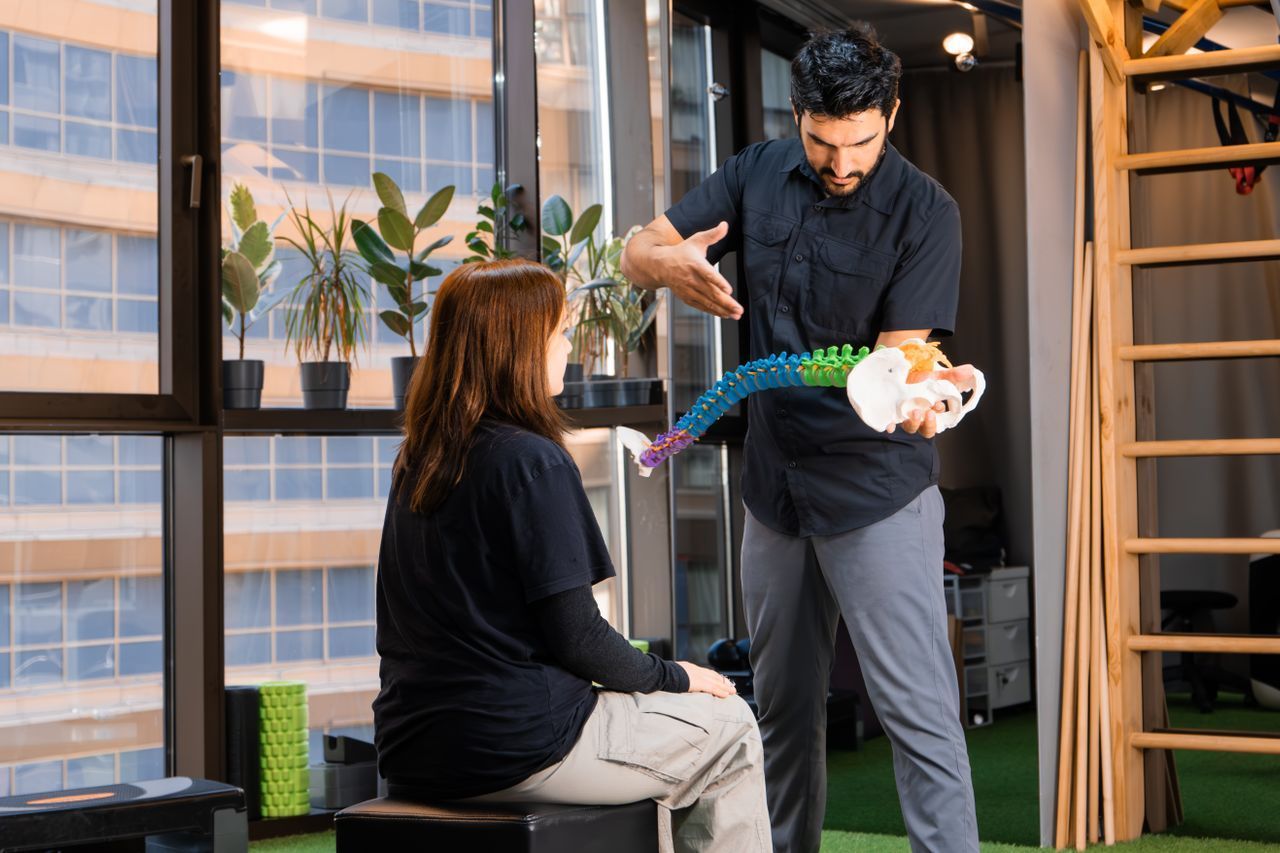
CEH accounts for a meaningful share of chronic headache cases seen in primary care and physical therapy clinics, though exact rates vary by study population. A labeled diagram showing the C1 to C3 vertebrae and their nerve connections to the head makes this mechanism click for most patients faster than any paragraph can.
What Symptoms Point to a Neck-Related Headache?
Cervicogenic headache has a recognizable pattern. Watch for:
- One-sided pain that doesn't switch sides
- Neck stiffness or reduced range of motion
- Pain that worsens with certain neck positions or sustained postures
- Tenderness when pressing at the base of the skull
- Pain that starts in the neck and spreads forward
Common triggers include hours at a desk with the head jutted forward, sudden neck movements, whiplash from a car accident, cervical arthritis, and disc degeneration.
Pro Tip: The single strongest clue is neck pain that shows up independent of the headache, combined with tenderness over the greater occipital nerve at the skull's base. If your neck hurts even when your head doesn't, that's a real signal pointing toward a cervical source.
How Do Doctors Diagnose Cervicogenic Headache?
There's no blood test or single scan that confirms CEH. It's a clinical diagnosis built from exam findings, symptom pattern, and often, how you respond to a targeted nerve block.
A clinician will typically check for:
- Reduced range of motion in the cervical spine
- Headache reproduced or worsened by neck movement or sustained positioning
- Shoulder or arm symptoms on the same side as the headache
- Tenderness over the greater occipital nerve (GON)
Distinguishing CEH from migraine matters because the treatments diverge. A 2026 clinical comparison study found that CEH tends to show up at an older age of onset, comes with neck pain that persists independently of the headache, and produces more pronounced GON tenderness on palpation. Migraine, by contrast, more often involves nausea, light sensitivity, and a throbbing quality without the mechanical neck triggers.
Imaging like X-ray or MRI isn't always necessary. Clinicians order it mainly to rule out structural problems, not to confirm CEH itself. When the diagnosis stays uncertain, a diagnostic nerve or facet block, an injection that numbs a suspected pain generator, can confirm the cervical source if it brings temporary relief.
Certain findings demand immediate attention rather than routine workup:
| Red Flag | Why It Matters |
|---|---|
| Progressive weakness or numbness | May indicate nerve or spinal cord involvement |
| Fever with neck stiffness | Raises concern for infection |
| History of cancer | Warrants imaging to rule out metastasis |
| Sudden, severe onset | Can signal a vascular event |
Most straightforward cases reach a working diagnosis within one or two visits, though refractory presentations sometimes take longer to sort out.
What's the Best First-Line Cervicogenic Headache Treatment?
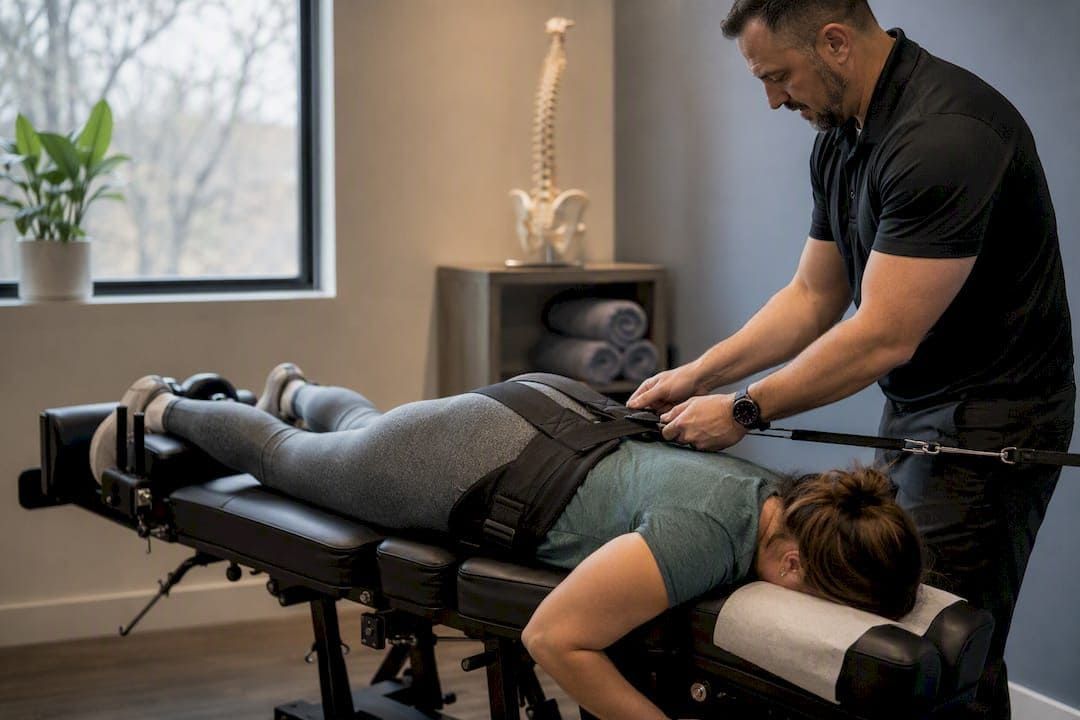
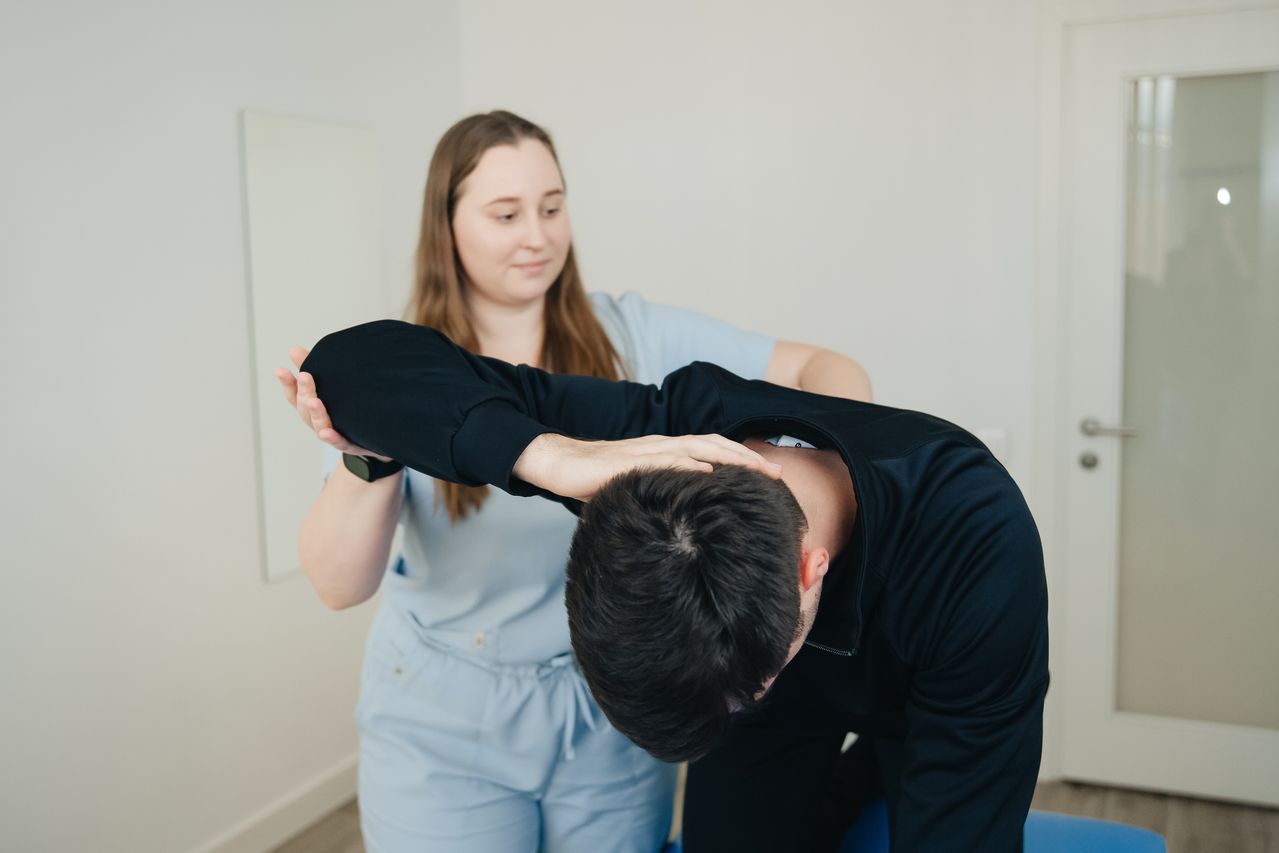
Structured physical therapy and manual therapy are the evidence-backed starting point, and for most people, that's where recovery actually happens. The typical initial course runs 8 to 10 sessions across roughly six weeks, which gives a clinician enough visits to build a real treatment arc instead of a single symptomatic fix.
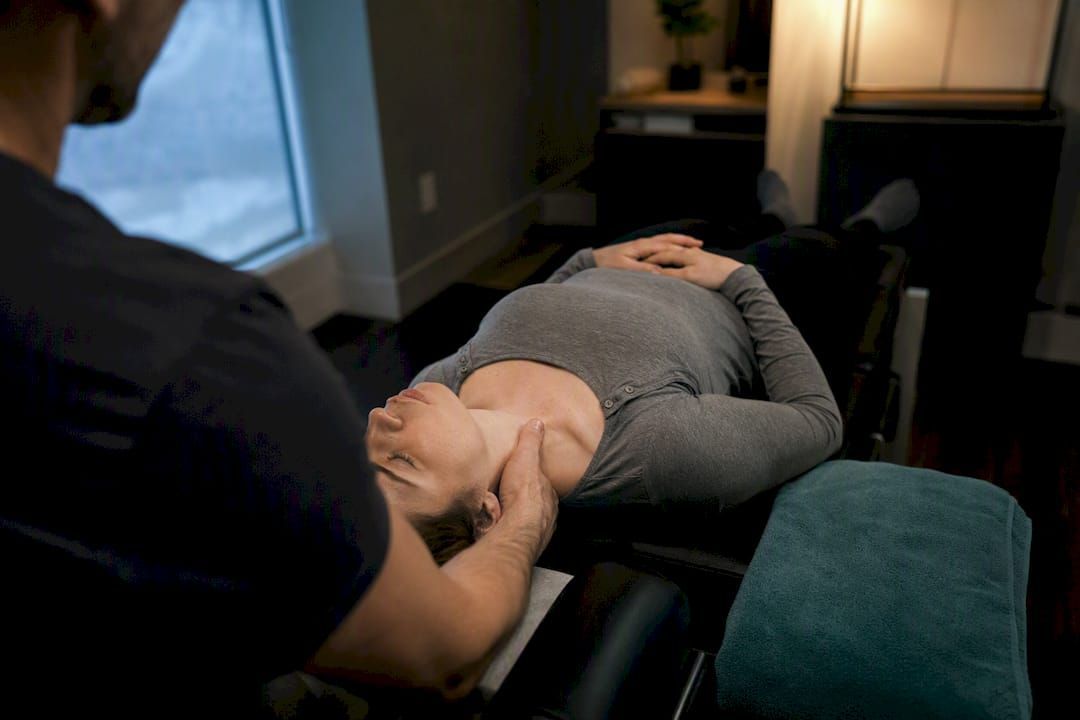
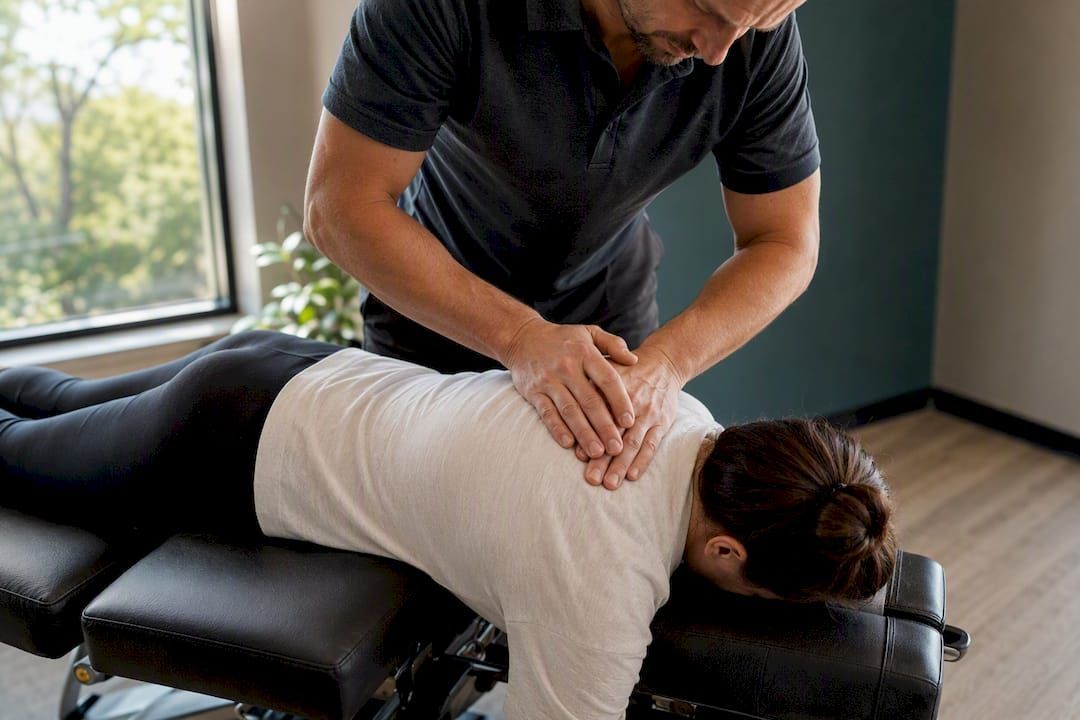
A skilled clinician draws from several techniques, often combining them within a single session:
- Cervical spinal manipulation (CSM), a quick, targeted thrust to a restricted joint
- Thoracic spine manipulation to relieve compensatory strain higher up
- SNAG mobilizations (sustained natural apophyseal glides), a gentler, sustained joint technique
- Soft-tissue and manual trigger-point work on tight suboccipital and upper trapezius muscles
- Targeted cervical and scapular strengthening programs
At home, three moves make the biggest difference:
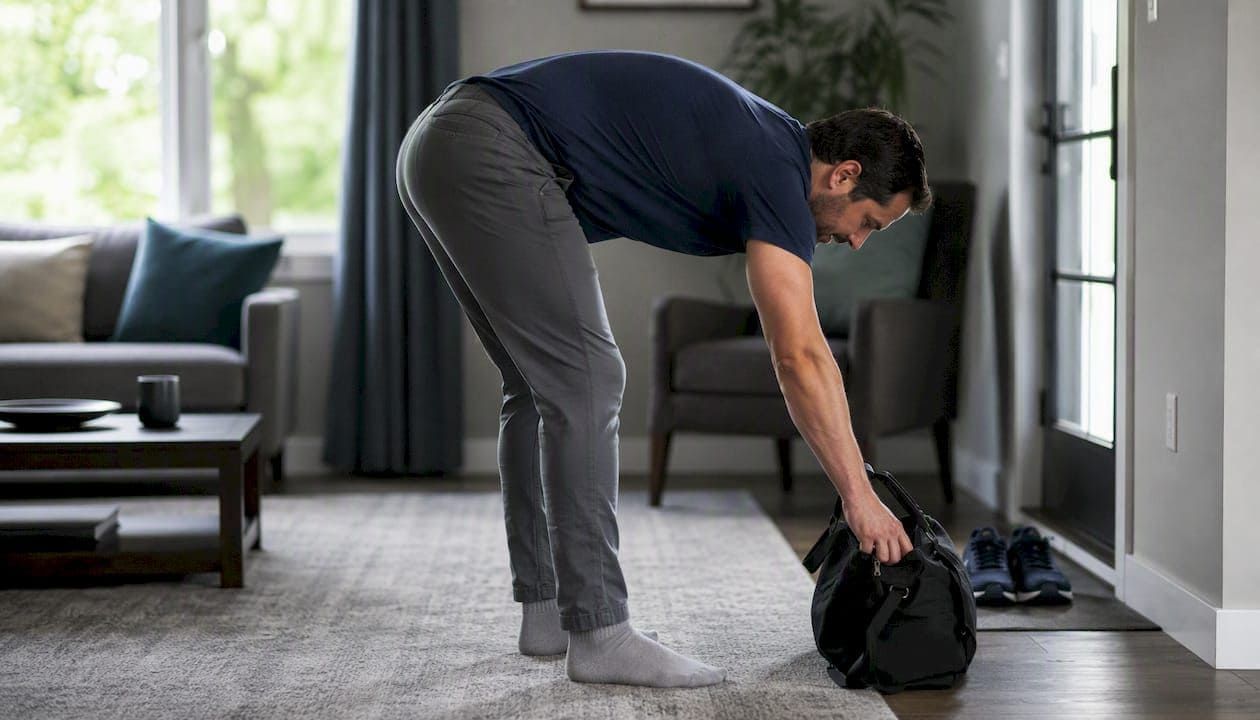
- Retrain your posture. Set a phone reminder every hour to pull your chin back and stack your ears over your shoulders instead of jutting your head forward over a screen.
- Practice gentle cervical control. Slow, pain-free flexion and extension, moving your chin toward your chest and then gently back, rebuilds mobility without provoking the joint.
- Strengthen your scapular stabilizers. Rows and wall slides that pull your shoulder blades down and back reduce the load your neck carries all day.
The comparative evidence has gotten sharper recently. A network meta-analysis found cervical spine manipulation generally produced the largest short-term reductions in headache intensity and disability compared with mobilization, massage, or exercise alone. A companion analysis ranked SNAG mobilization close behind, with meaningful gains in pain, function, and range of motion. One randomized trial comparing cervical versus thoracic manipulation found the cervical approach produced larger, more durable improvements that held up at six months.
Pro Tip: When you're screening a clinician, ask three questions: How many cervicogenic headache cases have you treated? How do you pace intensity if I'm sensitive to manipulation? What's your plan if I'm not improving by week four? A clinician who can't answer specifically probably isn't the right fit. A good manual therapy provider will walk you through this before ever putting hands on your neck.
It's normal to feel a bit worse before you feel better. Muscles and joints that have been guarded or stiff for months can ache after the first few sessions of mobilization or exercise. Experienced clinicians manage this by starting gentle, using manual traction and light stretching, then progressing intensity only as your tissue tolerates it.
When Do Medications or Injections Make Sense?
Medications and injections can ease pain or confirm a diagnosis, but they're supporting players, not the main event. Rehabilitation still does the heavy lifting.
Short courses of NSAIDs or over-the-counter analgesics can take the edge off during an acute flare. Some clinicians add neuropathic agents for nerve-related pain. Both carry a caution: relying on medication daily raises the risk of medication-overuse headache, a rebound cycle that makes the original problem worse.
- Diagnostic nerve or facet blocks numb a suspected pain generator to confirm the cervical source
- A positive block, meaning your headache eases significantly, points strongly toward a cervical origin
- Radiofrequency ablation (RFA) can offer longer-lasting relief for select patients whose pain keeps returning to the same joint
Pro Tip: After a diagnostic block, expect fast but often temporary relief, sometimes lasting only hours to days. That's actually useful information: it confirms where your pain is coming from and helps your clinician plan the next phase of rehab.
Diagnostic blocks and RFA work best as adjuncts to a structured rehab plan, not replacements for it. Both procedures carry standard injection risks, including infection, temporary numbness, and rare nerve irritation. Surgery remains a last resort, considered only after conservative and interventional options have been fully exhausted.

When Should You See a Specialist for Neck Headaches?
Book a professional evaluation if self-care hasn't helped within a week or two, your headaches are getting worse, you notice new neurological symptoms, or the pain is interfering with work or sleep.
Several types of clinicians treat CEH, often in combination:
- Physical therapists build and progress your exercise and mobility program
- Chiropractors or manual therapists deliver spinal manipulation and mobilization
- Neurologists rule out primary headache disorders like migraine
- Interventional pain physicians perform diagnostic blocks and RFA for refractory cases
At your first visit, ask how confident they are in the diagnosis, what the treatment timeline looks like, what side effects to expect, and how they'll track your progress. A typical initial visit covers your history, a focused cervical exam, a few movement tests, and a specific plan, not a vague "come back if it doesn't improve."
How Long Until Cervicogenic Headache Improves?
Most people see real progress within weeks to a few months of consistent conservative care. One trial cited in the StatPearls clinical review found 72% of patients had a 50% or greater reduction in headache frequency at 12 months following physical therapy.
Pain intensity often drops within the first few weeks of treatment. Functional gains, like full neck rotation or sitting through a workday without a flare, tend to build over one to three months. Ongoing maintenance exercise keeps the results from sliding back.
Prevention matters as much as treatment:
- Fix your workstation setup so your monitor sits at eye level
- Avoid sleeping on your stomach, which twists the neck for hours at a time
- Keep up scapular and cervical mobility work even after symptoms fade
- Address smoking, which slows tissue healing and worsens disc health
If you've stuck with a program for 6 to 8 weeks without meaningful change, that's the signal to revisit your treatment plan with your clinician rather than push through longer.
What Does the Research Actually Show?
The evidence base for cervicogenic headache treatment has grown more specific in recent years, and it consistently points the same direction.
- Manual therapy and exercise reduce headache pain, frequency, and disability in the short term
- Network meta-analyses rank cervical spine manipulation highest for short-term pain and disability reduction
- SNAG mobilization shows durable benefit for pain, function, and range of motion
One caveat worth stating plainly: trial quality varies, sample sizes run small in several studies, and placebo response rates are notably high in manual therapy research, so results should be read as a coherent but limited signal rather than absolute proof. That's precisely why clinician skill, how carefully technique and pacing get matched to your specific presentation, shows up again and again as a variable that shapes both outcomes and safety.
A Clinician's-Eye View on Pacing and Trust
Most patients I'd expect to see with this pattern improve steadily over several weeks of layered care, not overnight. The plan usually starts gentle and adds intensity as tolerance builds, and escalation to injections or referrals only happens when conservative care genuinely stalls. Speak up early if something feels off or a technique doesn't sit right. That feedback loop, more than any single technique, is what keeps a treatment plan safe and on track.
How Essential ChiroCare Approaches Cervicogenic Headache
If you've read this far, you already know the plan: structured manual therapy, targeted exercise, and a clinician who paces intensity to your tolerance. That's exactly what Essentialchirocare is built around, delivered by clinicians who work directly with sports teams and treat cervical spine cases daily, not occasionally.
Essentialchirocare's approach for neck-originating headaches combines hands-on chiropractic adjustments, manual therapy, and progressive exercise programs through its physical rehab services, with direct coordination to pain specialists when a case needs more than conservative care. Every plan starts with an in-person cervical evaluation because no two necks respond to manipulation the same way. With locations across Tampa, Brandon, Sarasota, Lakeland, and Pinellas Park, scheduling an initial evaluation is the concrete next step if your neck headaches haven't budged with rest and over-the-counter pain relievers.
Frequently Asked Questions
Is cervicogenic headache the same as a migraine?
No. Cervicogenic headache originates from cervical spine structures and typically involves neck stiffness, one-sided pain, and tenderness at the skull's base, while migraine more often involves throbbing pain, nausea, and light sensitivity without a mechanical neck trigger.
How long does cervicogenic headache treatment take to work?
Many patients notice reduced pain intensity within a few weeks of starting physical therapy or manual therapy, with functional improvements building over one to three months of consistent care.
Can cervicogenic headaches be treated without chiropractic care?
Yes. Physical therapy, targeted exercise, and self-care like posture correction and sleep-position changes can all help, though manual therapy and spinal manipulation show some of the strongest short-term evidence for pain and disability reduction.
When should I consider injections or radiofrequency ablation?
These options generally come into play when structured rehabilitation over several weeks hasn't produced meaningful improvement, or when a diagnostic block is needed to confirm the pain's cervical origin.
What's the single best sign that my headache is coming from my neck?
Neck pain that persists independently of the headache, combined with tenderness over the greater occipital nerve at the base of the skull, is the clue clinicians look for first.
This article is general information, not a substitute for advice from a qualified doctor. Consult a qualified healthcare professional about your own circumstances before acting on anything here.
Sources
For deeper detail beyond this guide, consult the systematic review and meta-analysis on manual and exercise therapy, the network meta-analysis on manual therapy interventions, the StatPearls clinical overview of cervicogenic headache, and the randomized trial comparing cervical and thoracic manipulation. Readers interested in the physiological mechanisms behind manual therapy can also review this explainer on how manual therapy reduces pain. Discuss any of these findings with your own clinician rather than using them to self-prescribe treatment.
- The effectiveness of manual and exercise therapy on headache intensity and frequency among patients with cervicogenic headache: a systematic review and meta-analysis | Chiropractic & Manual Therapies
- Cervicogenic Headache - StatPearls - NCBI Bookshelf
- Comparative safety and efficacy of manual therapy interventions for cervicogenic headache: a systematic review and network meta-analysis
- Comparative effectiveness of cervical vs thoracic spinal-thrust manipulation for care of cervicogenic headache: A randomized controlled trial | PLOS One
Recommended